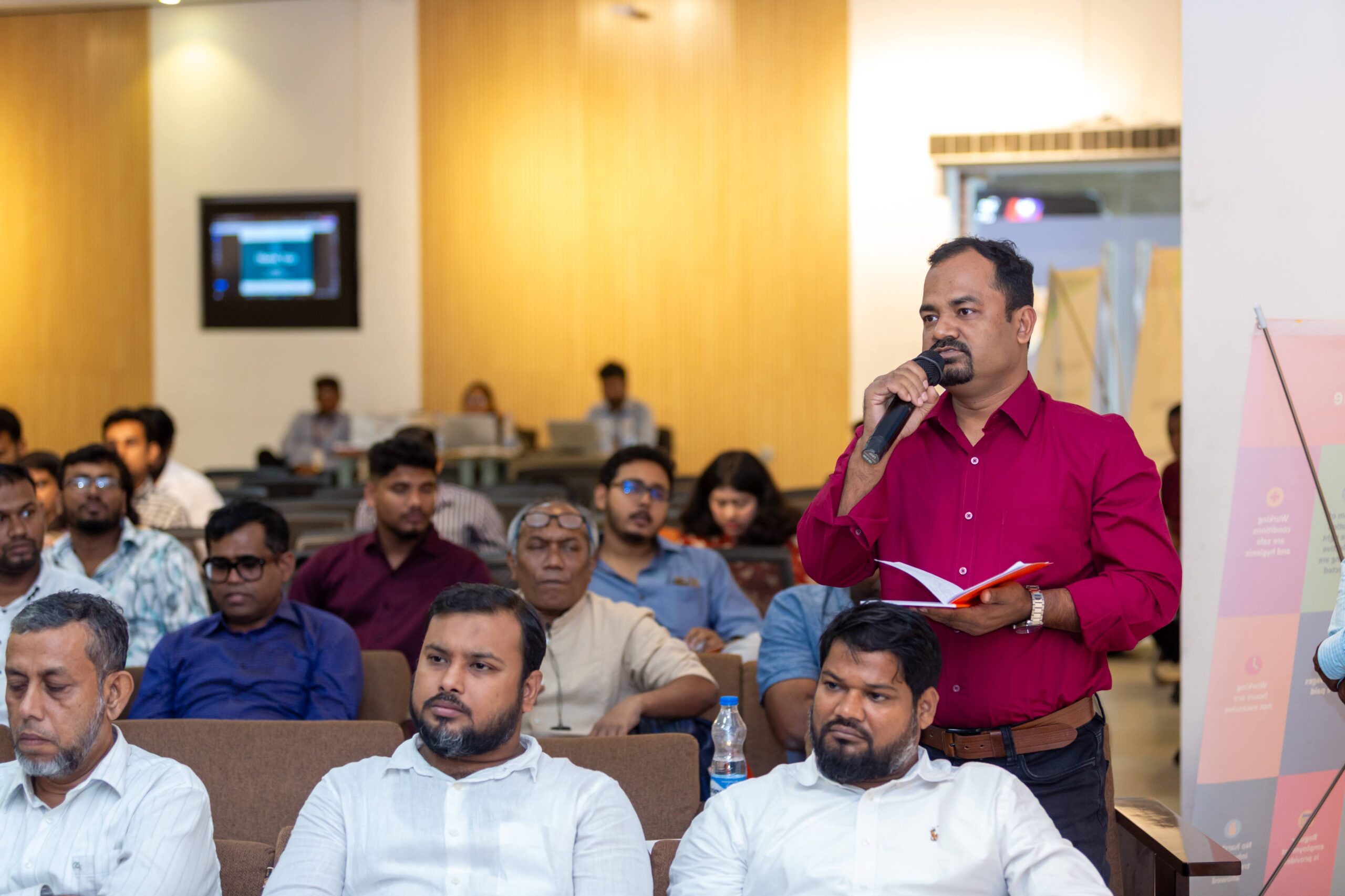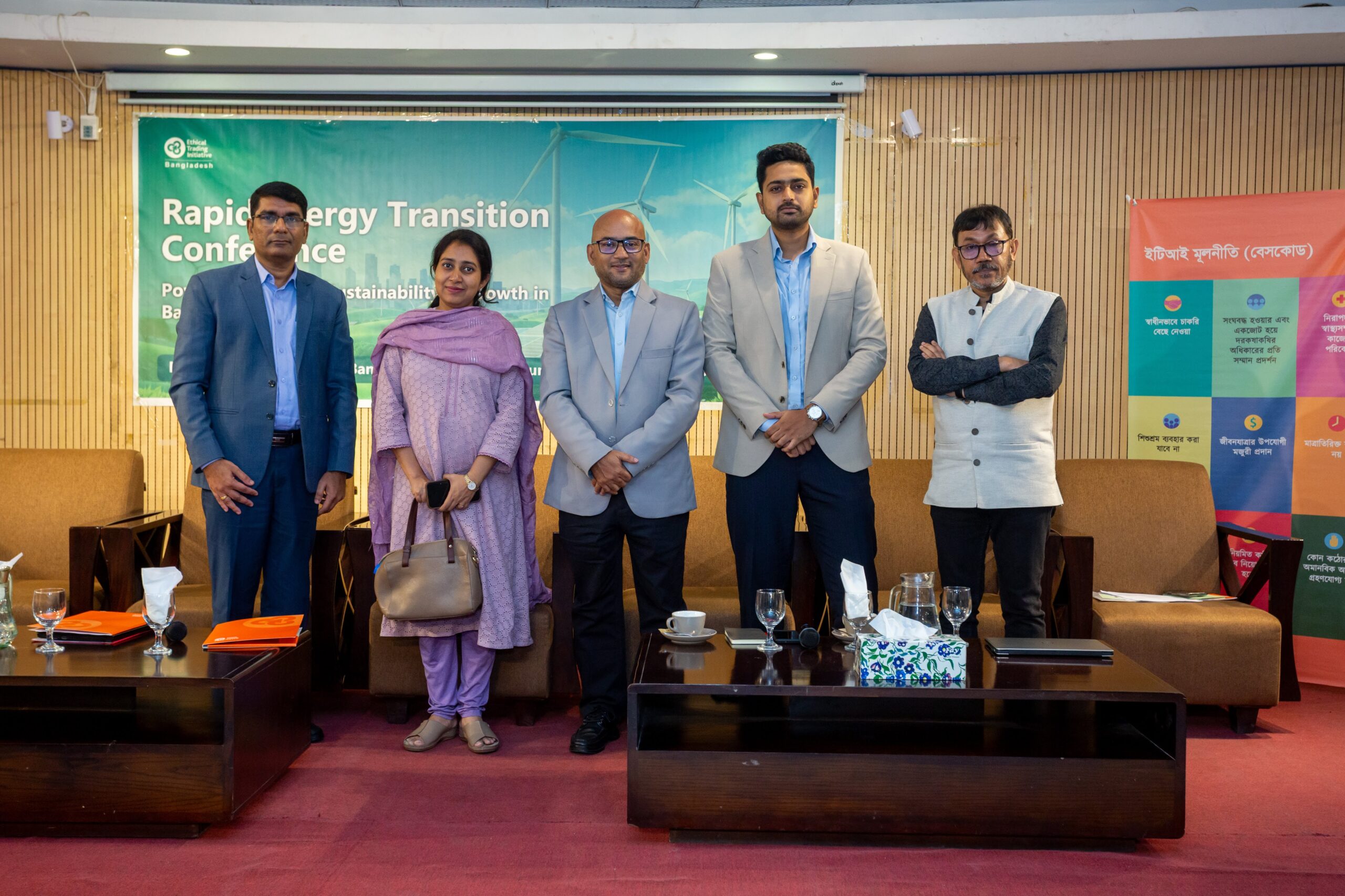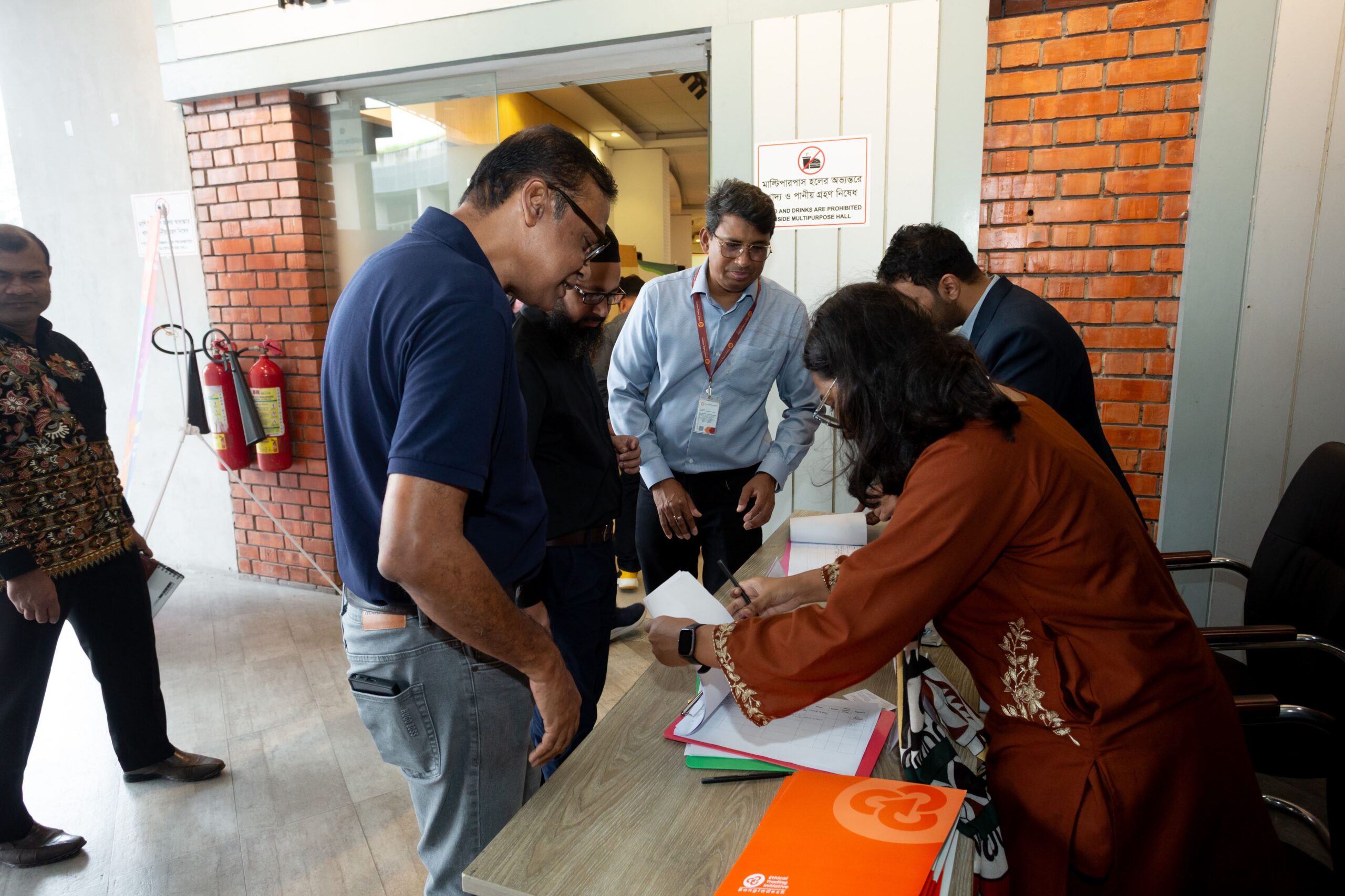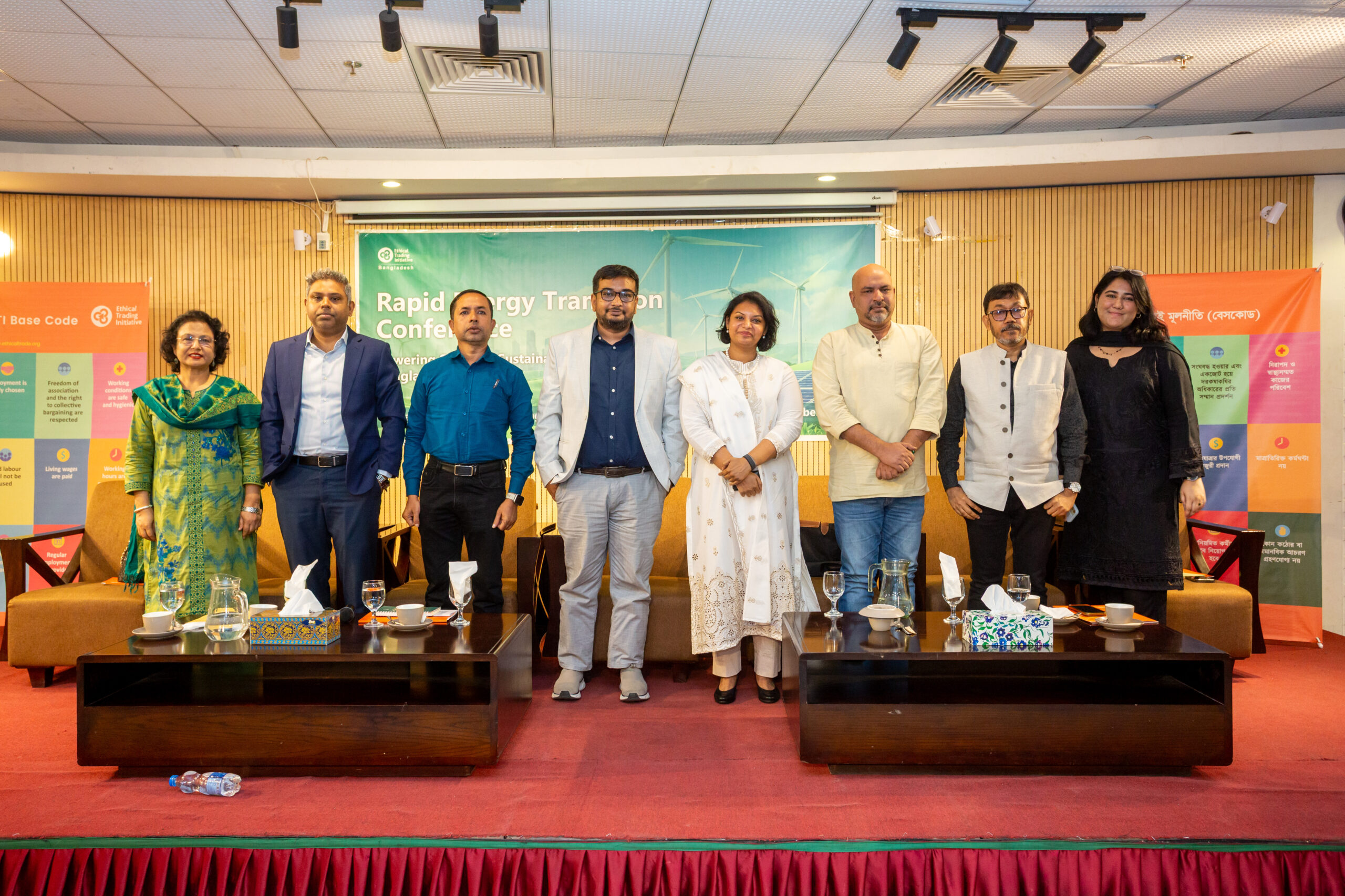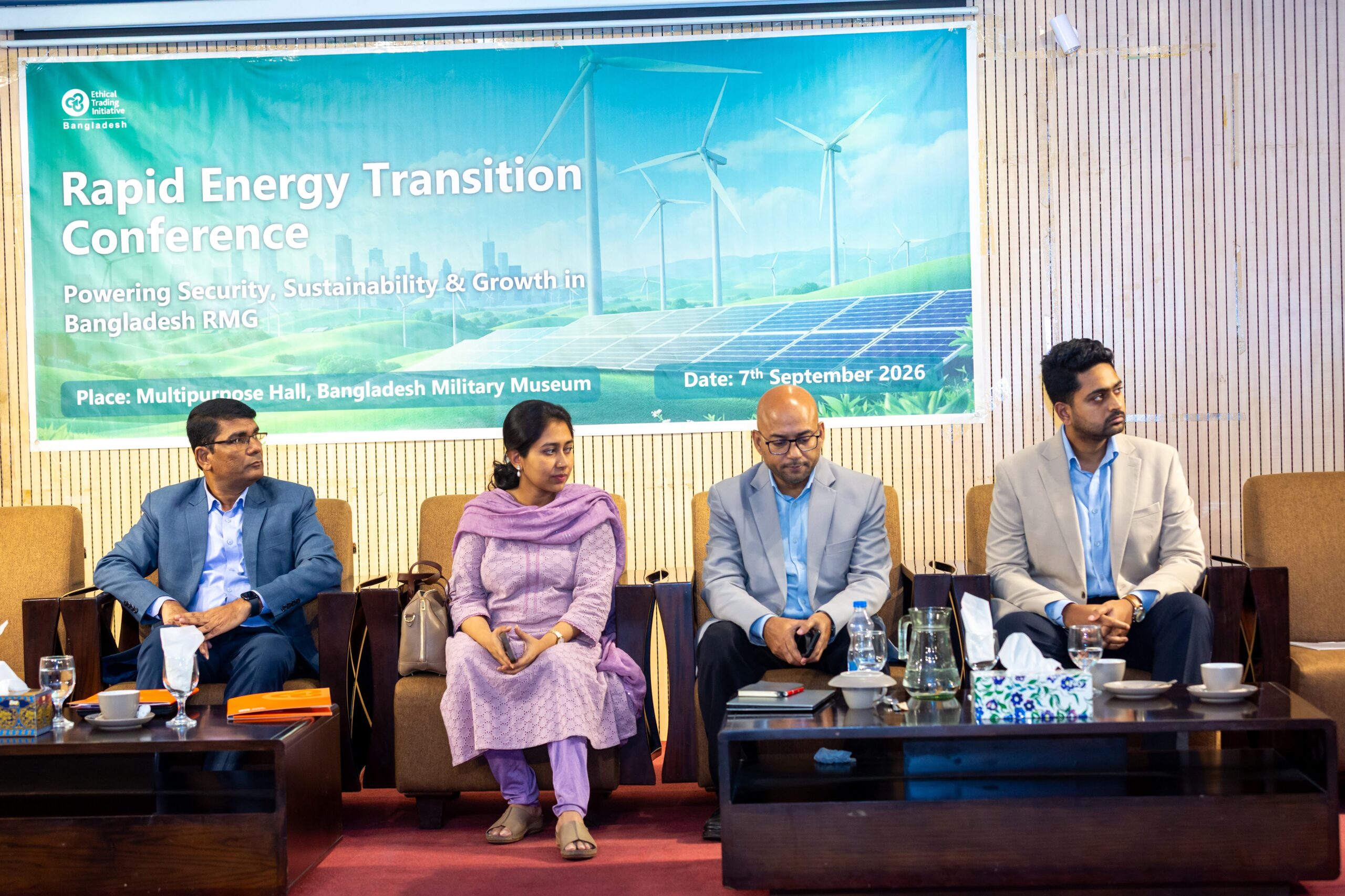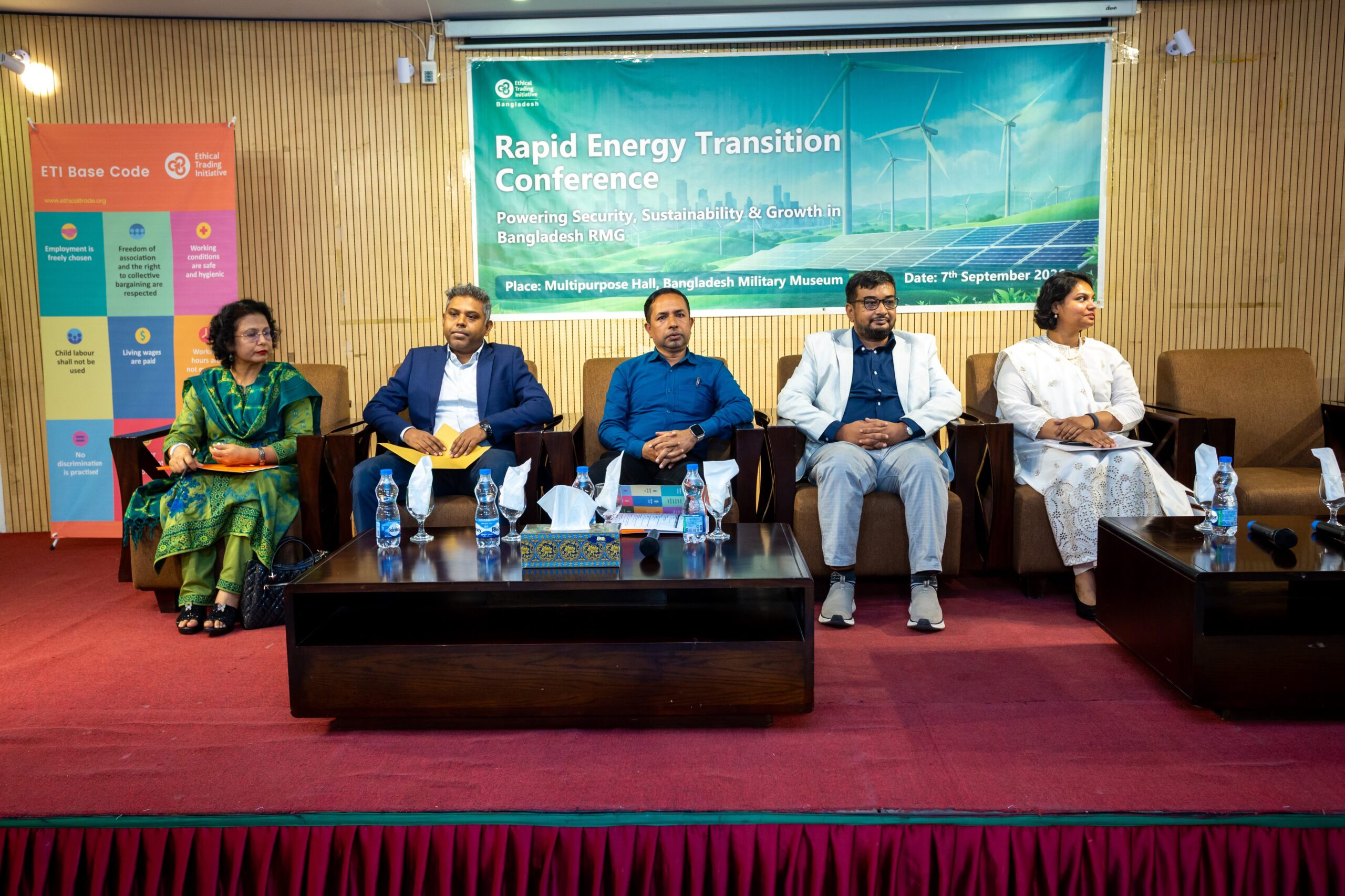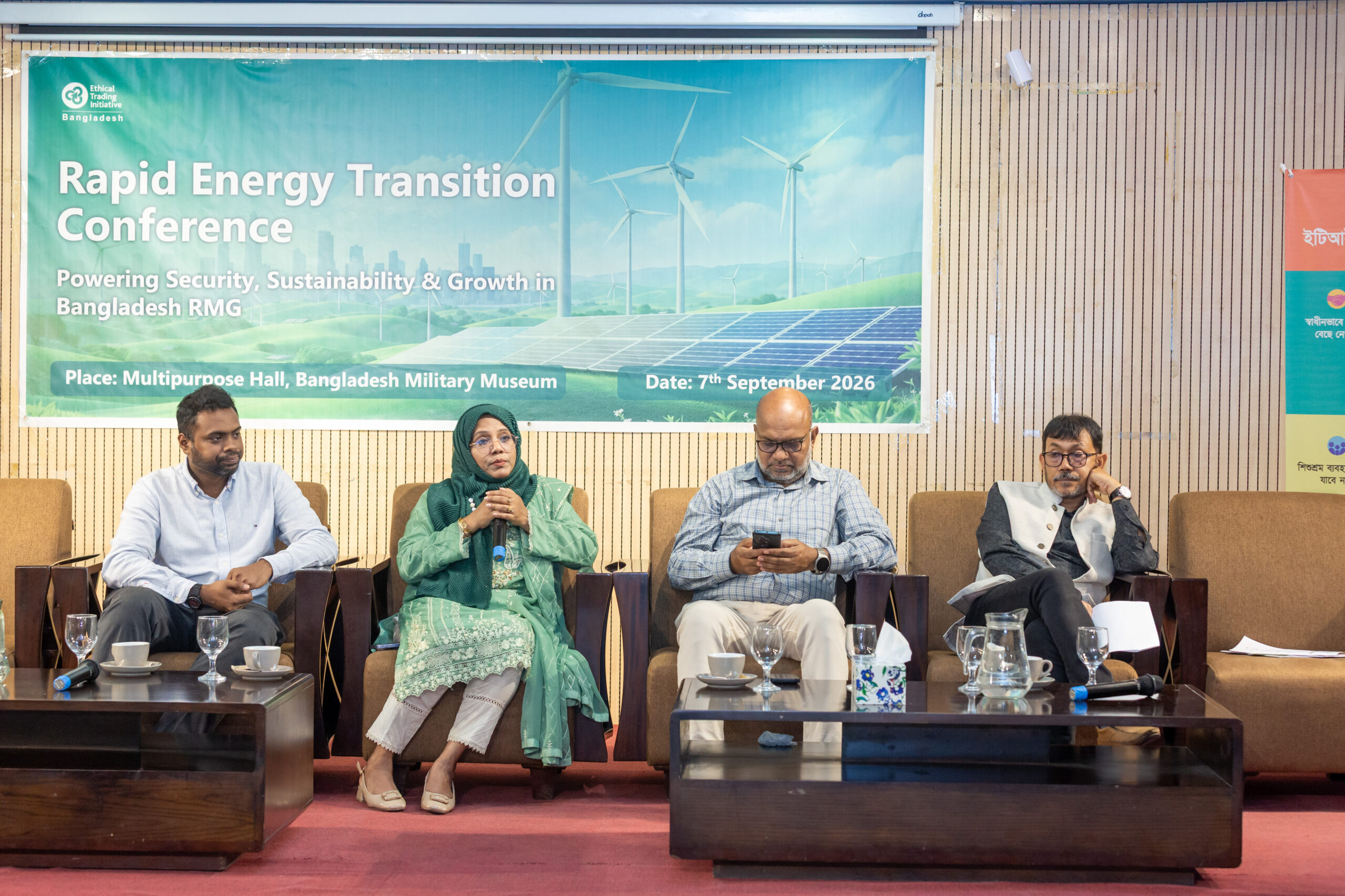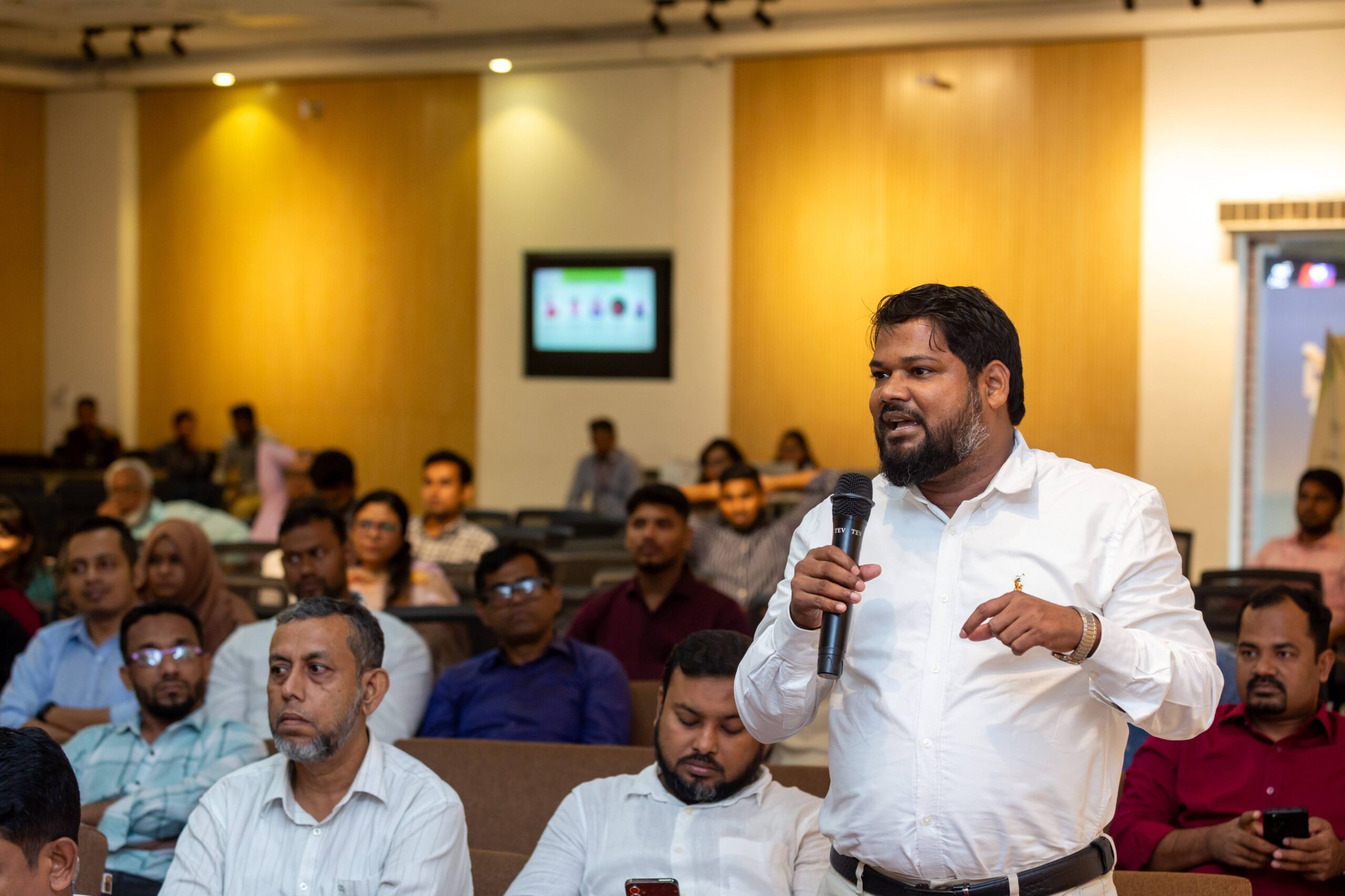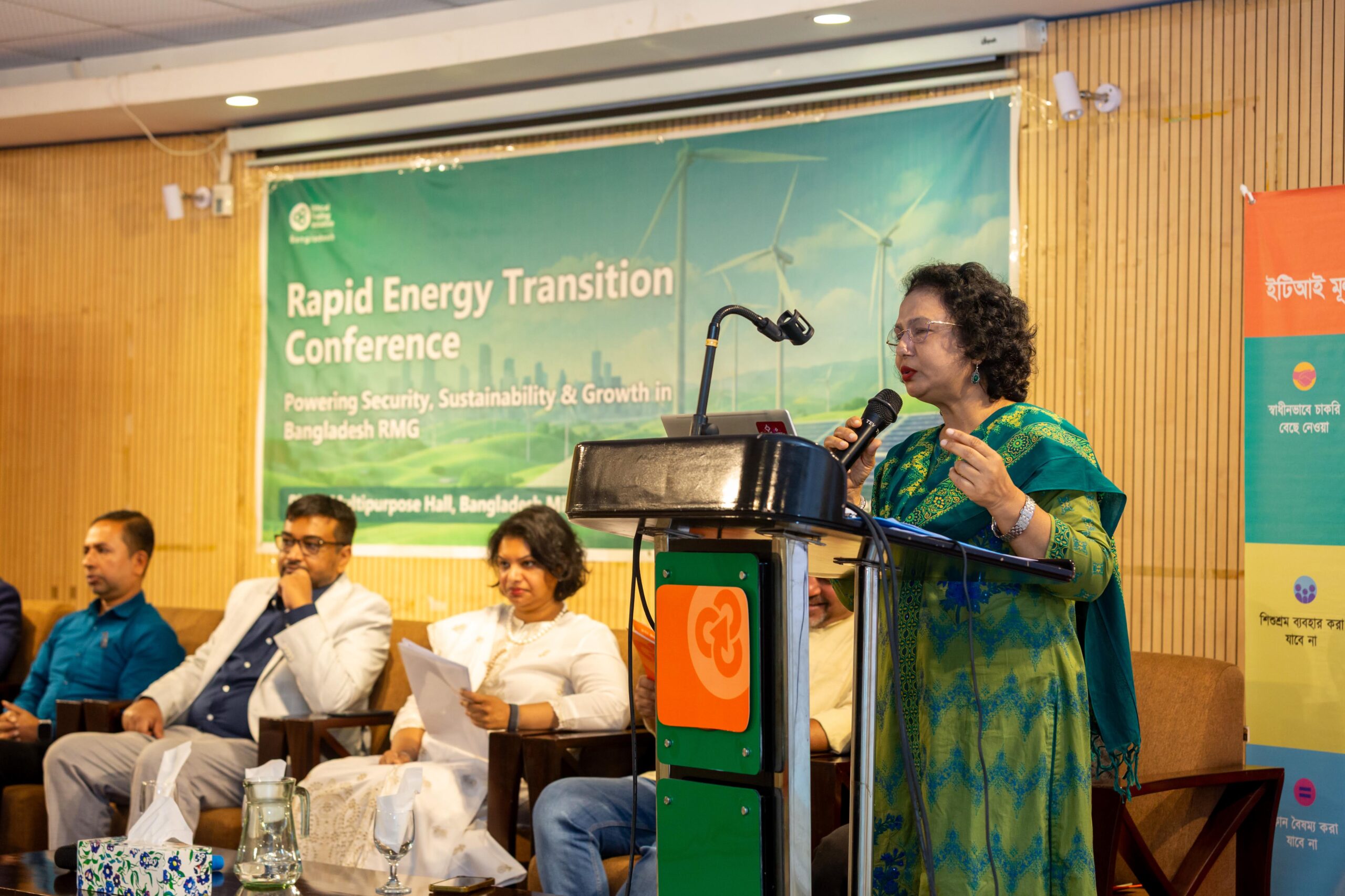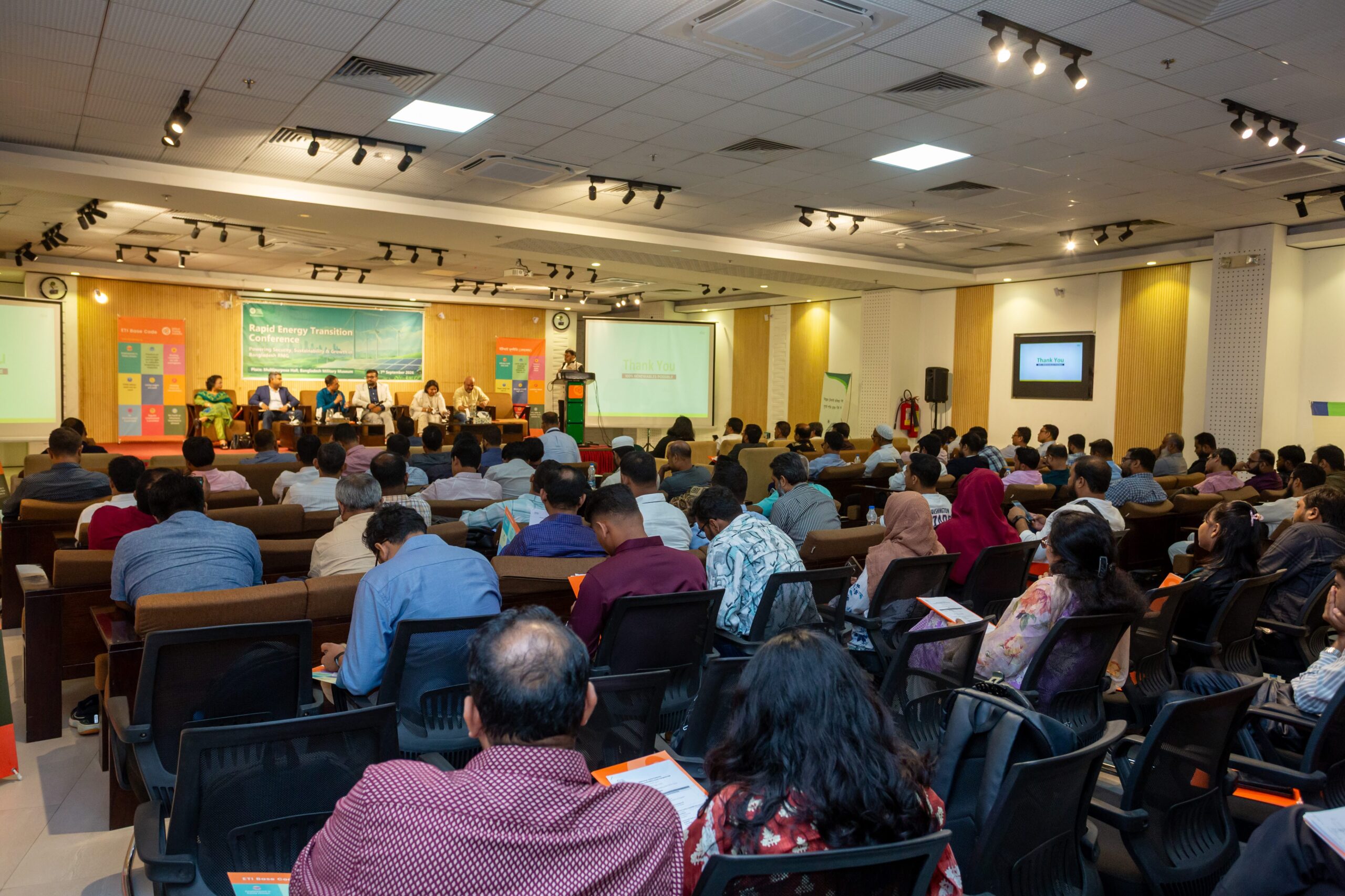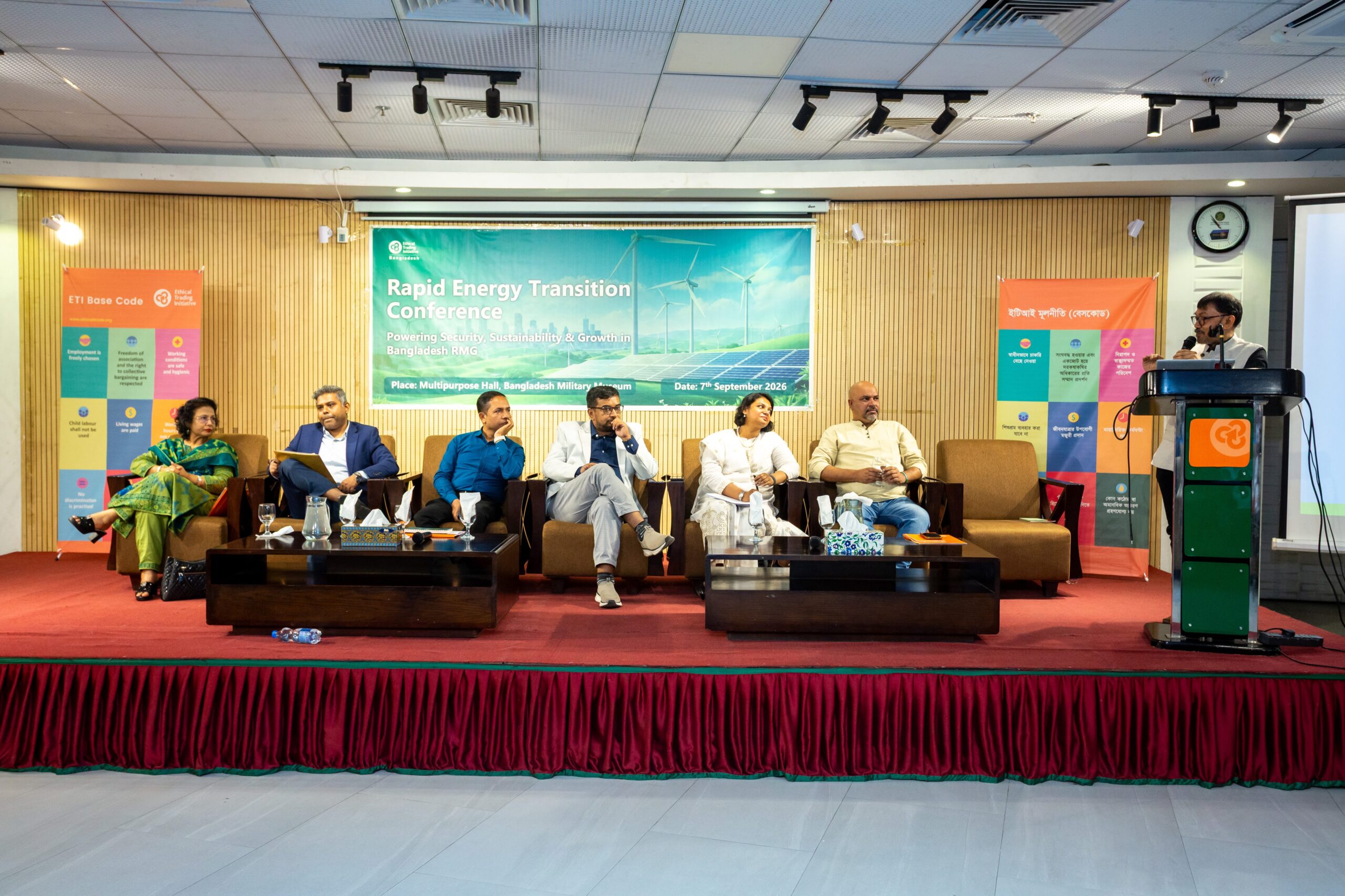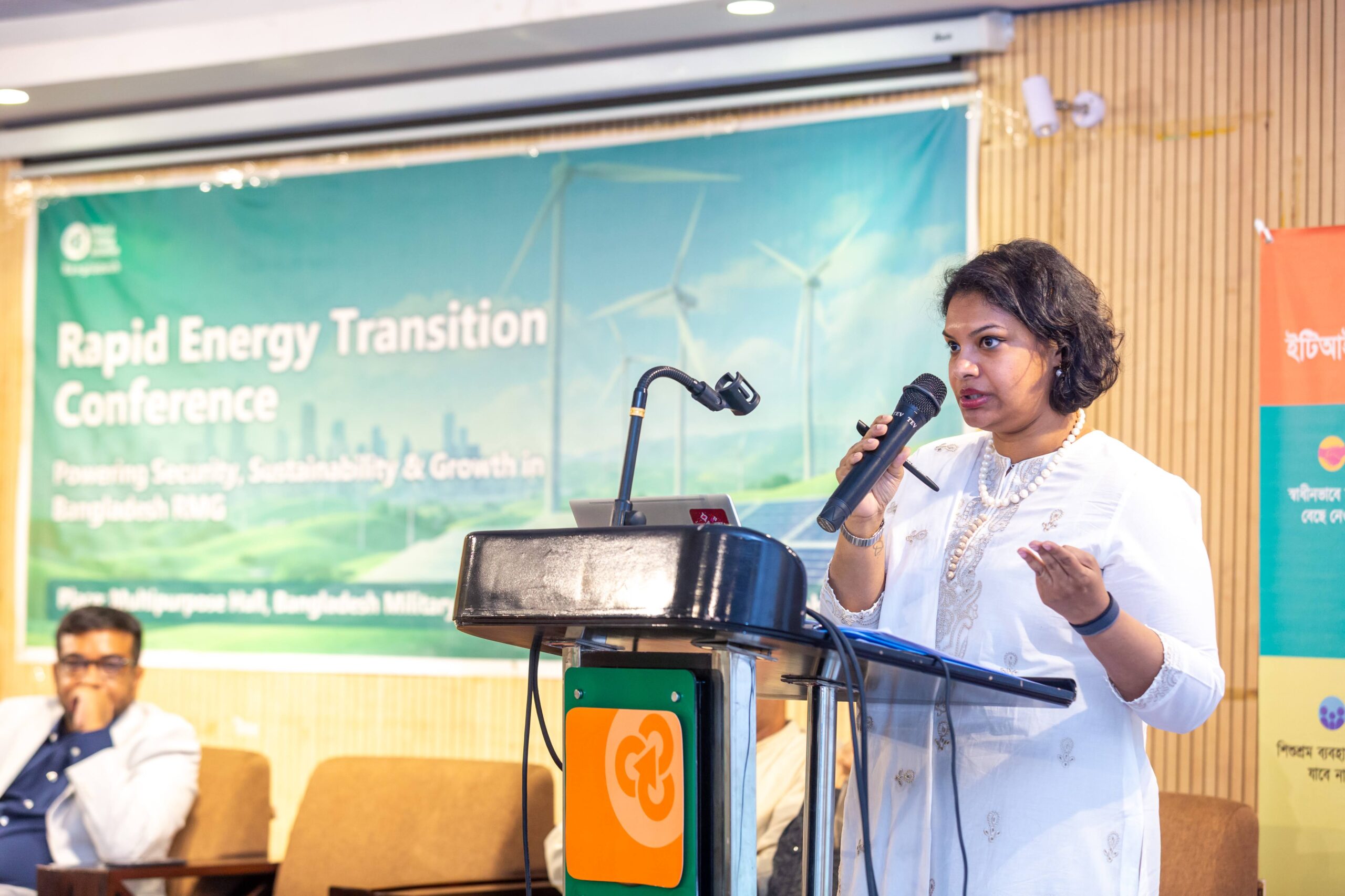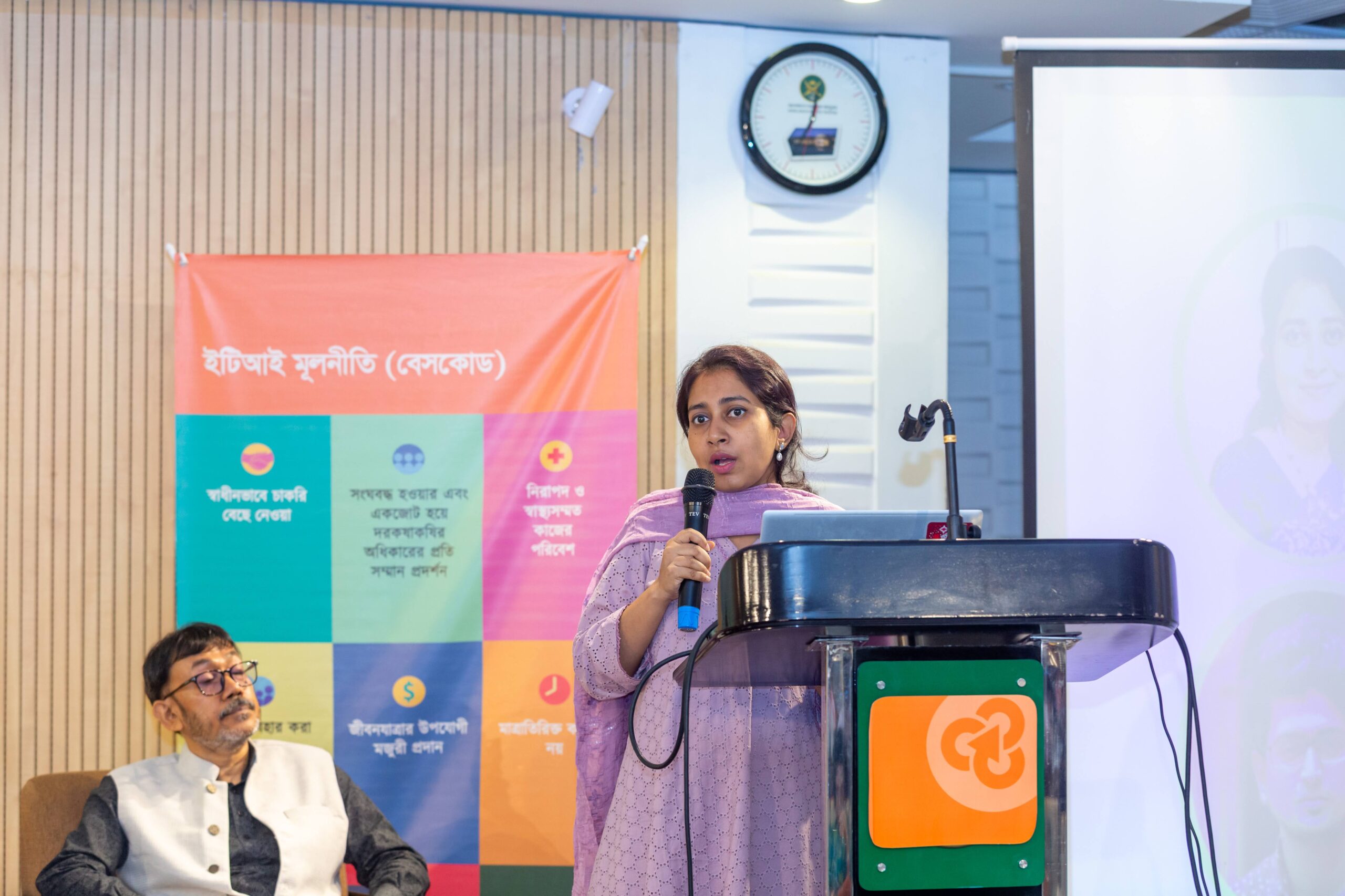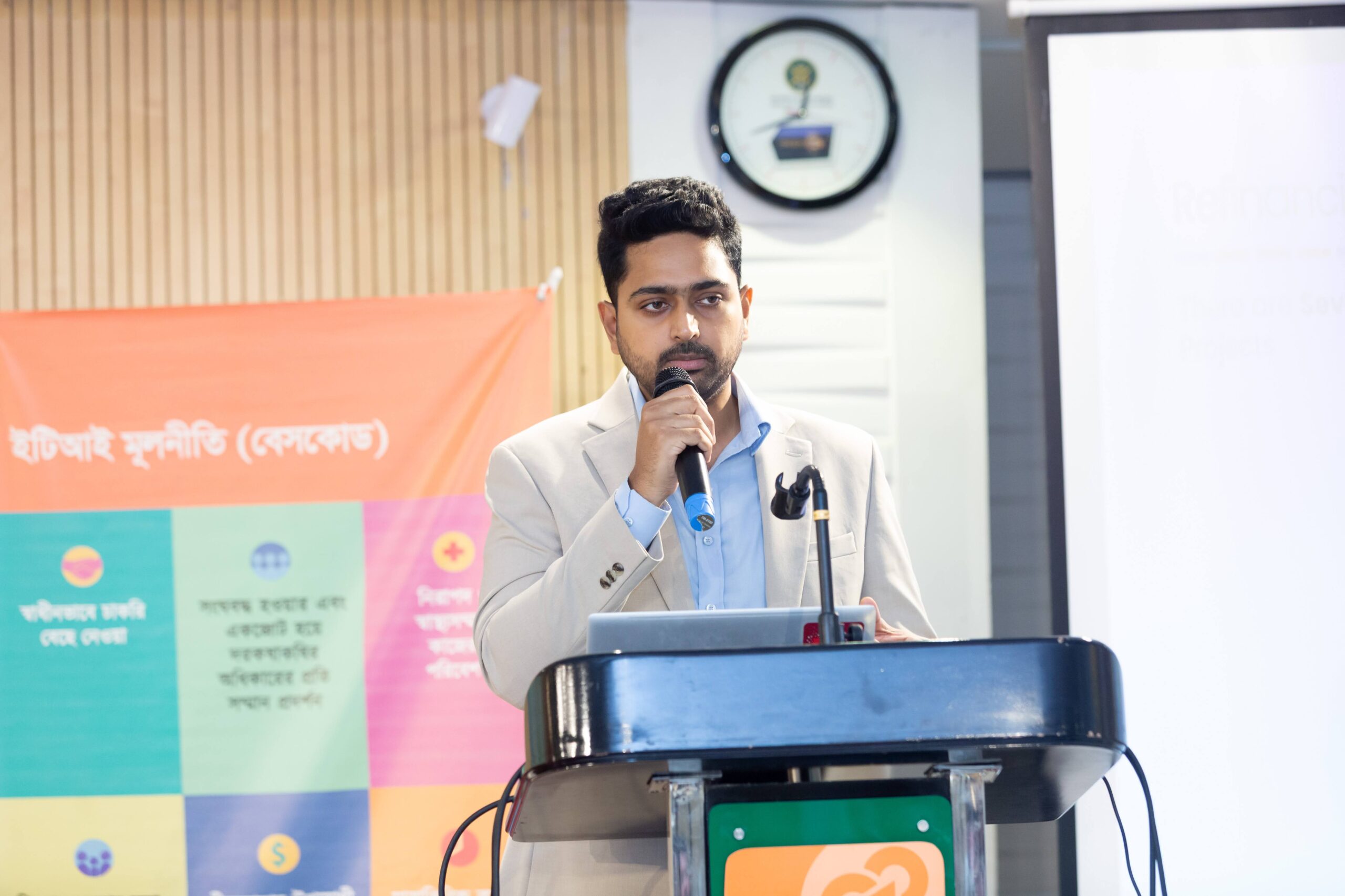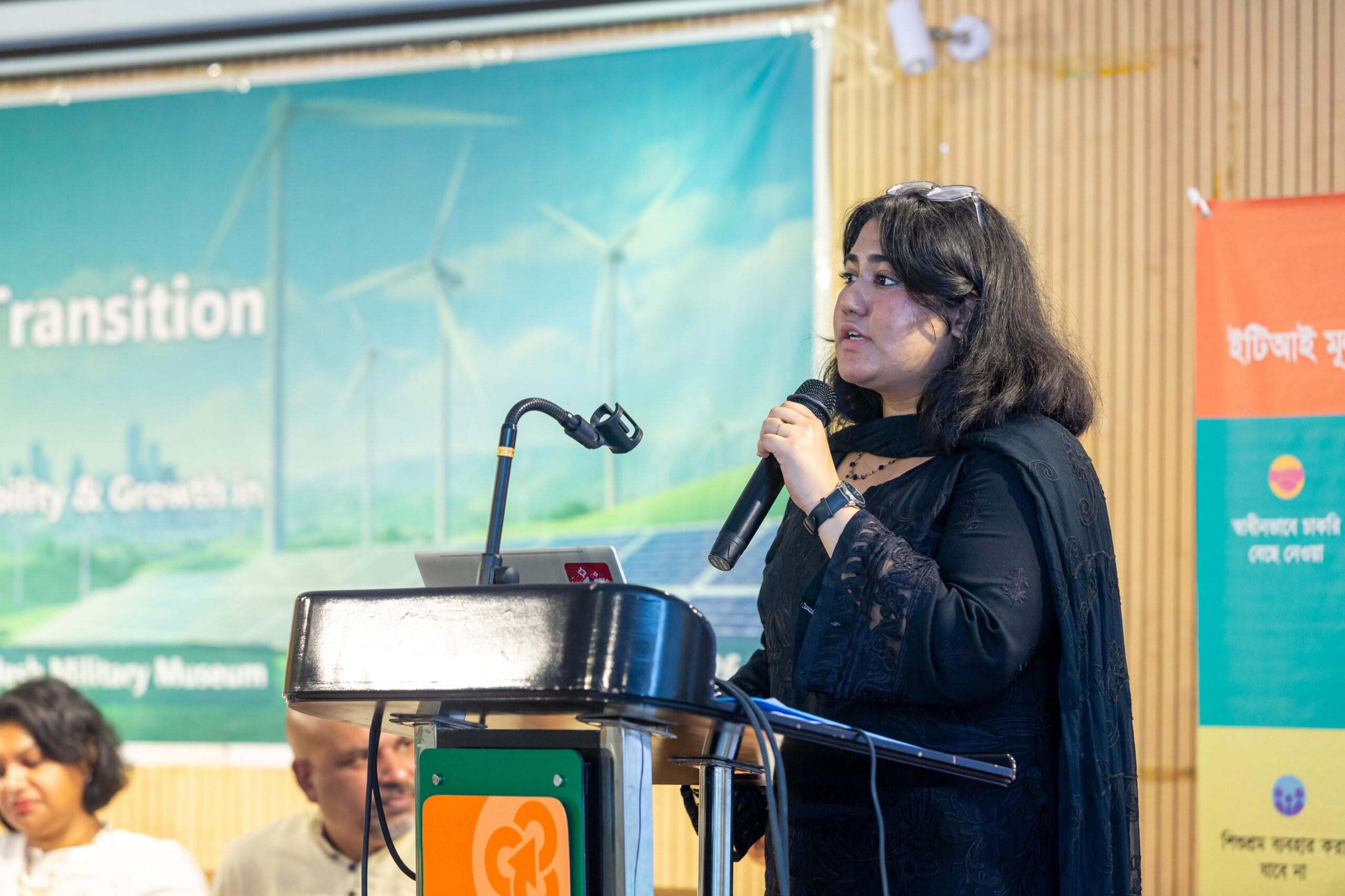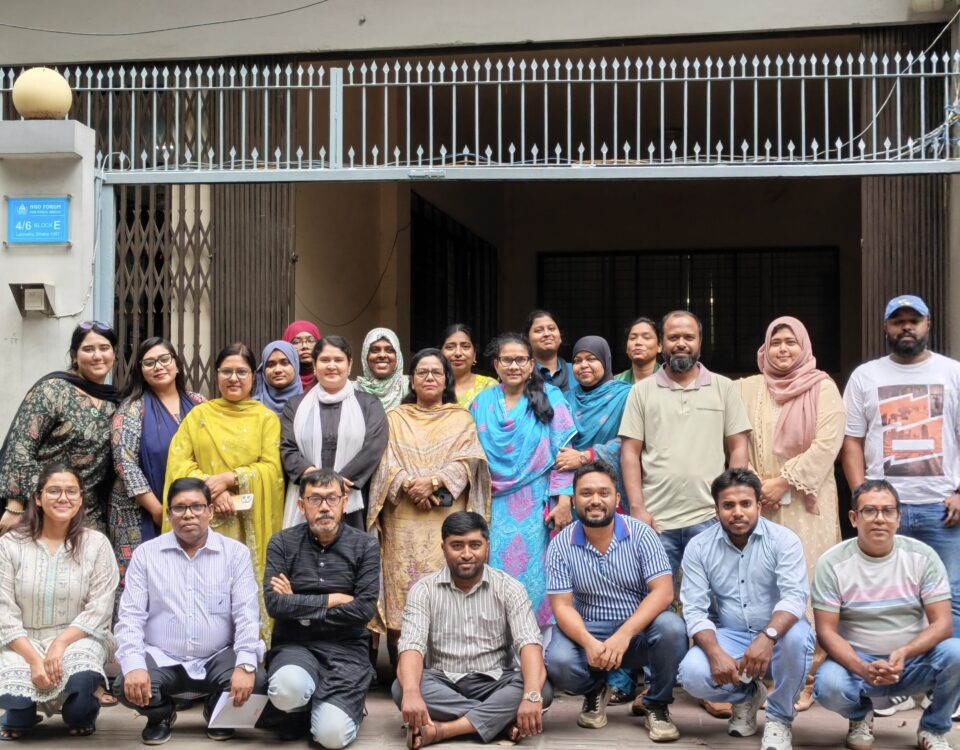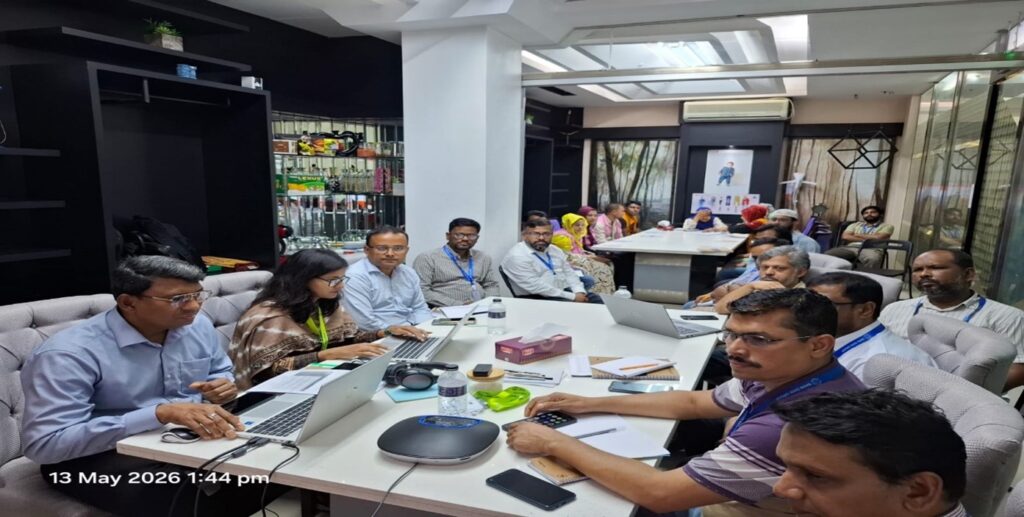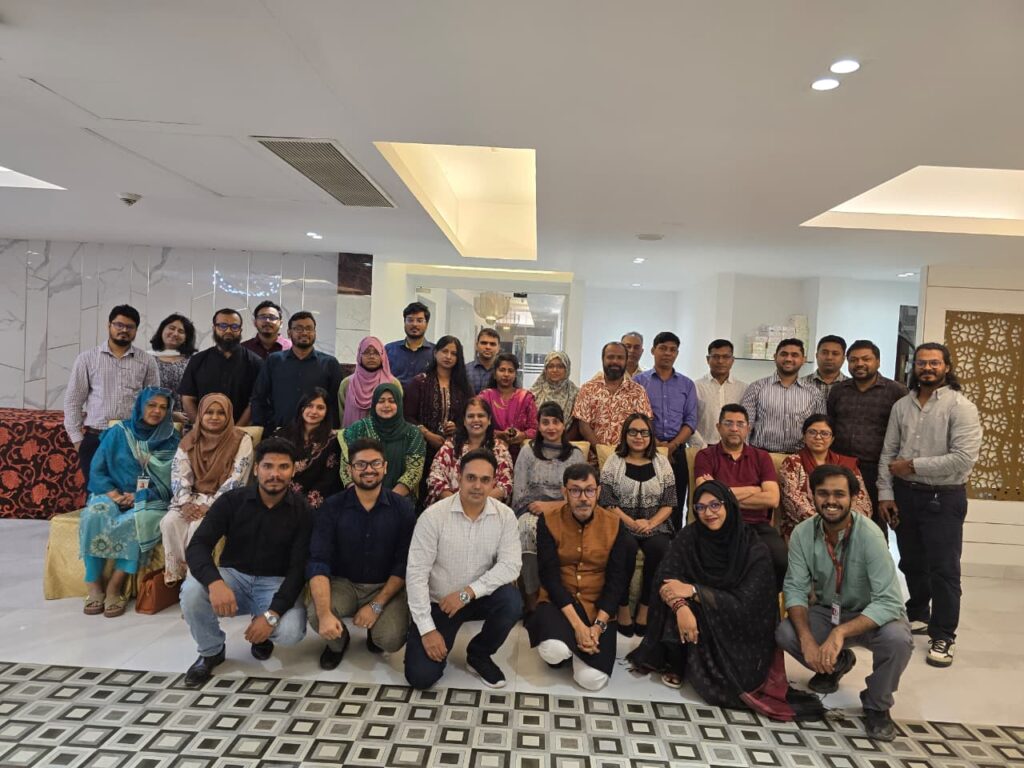
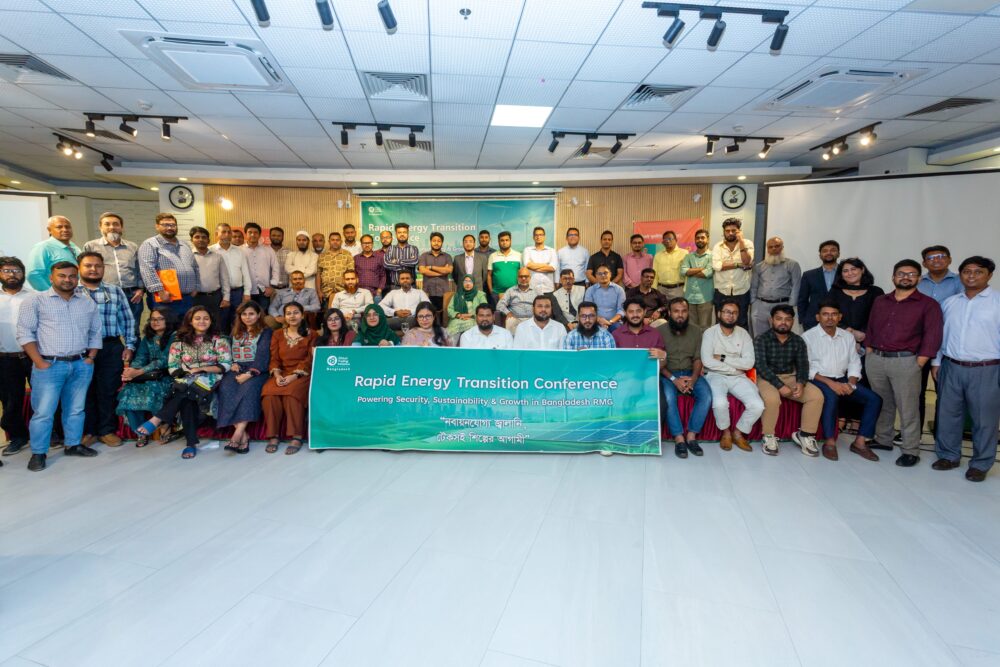
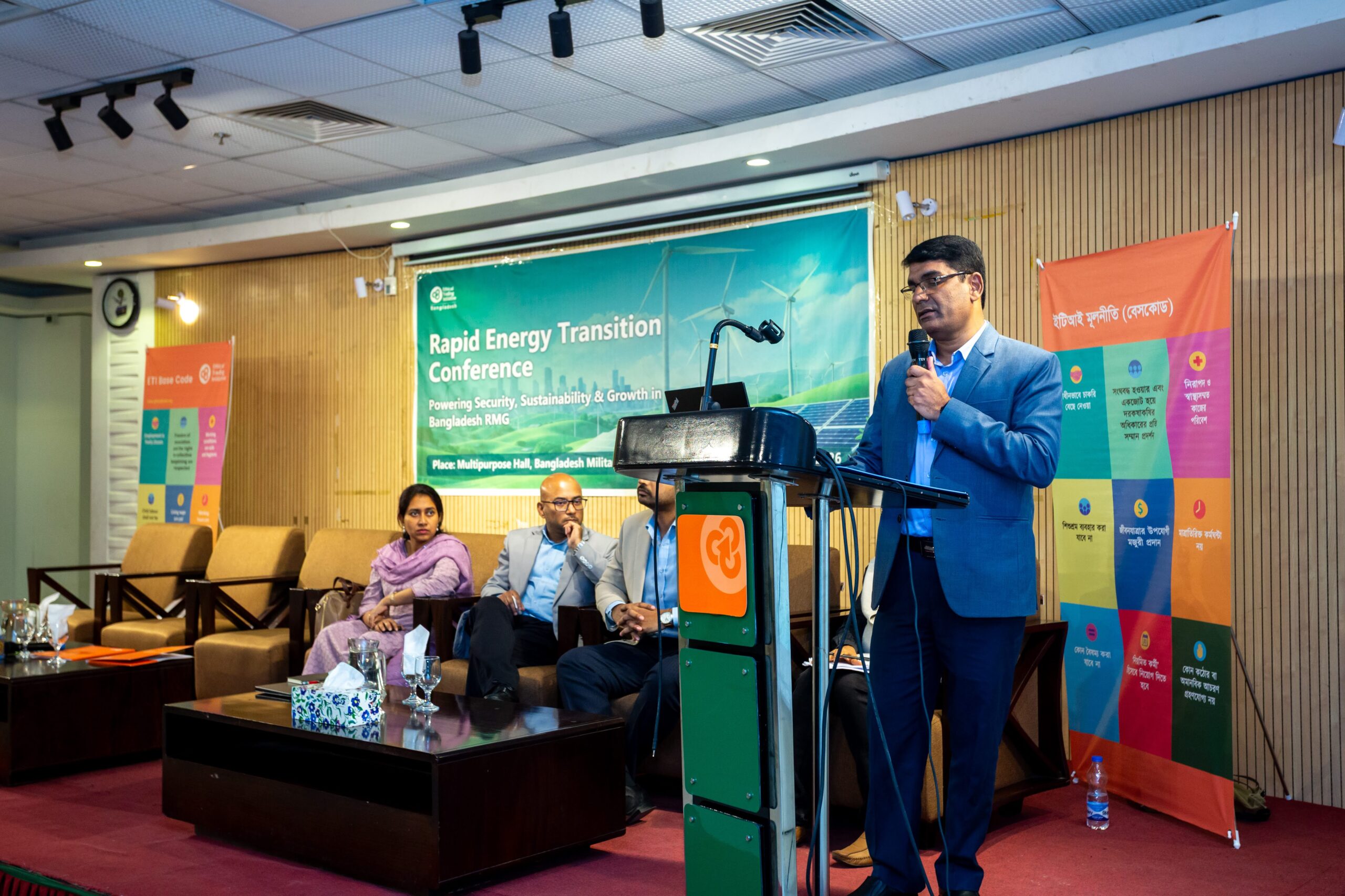
On Monday, 7 September 2026, RMG leaders and energy experts stressed that Bangladesh must place renewable-energy transition and energy sovereignty at the centre of its long-term industrial strategy as the continuing energy crisis, rising fuel-import dependence and unreliable supply increasingly threaten RMG’s sustainability.
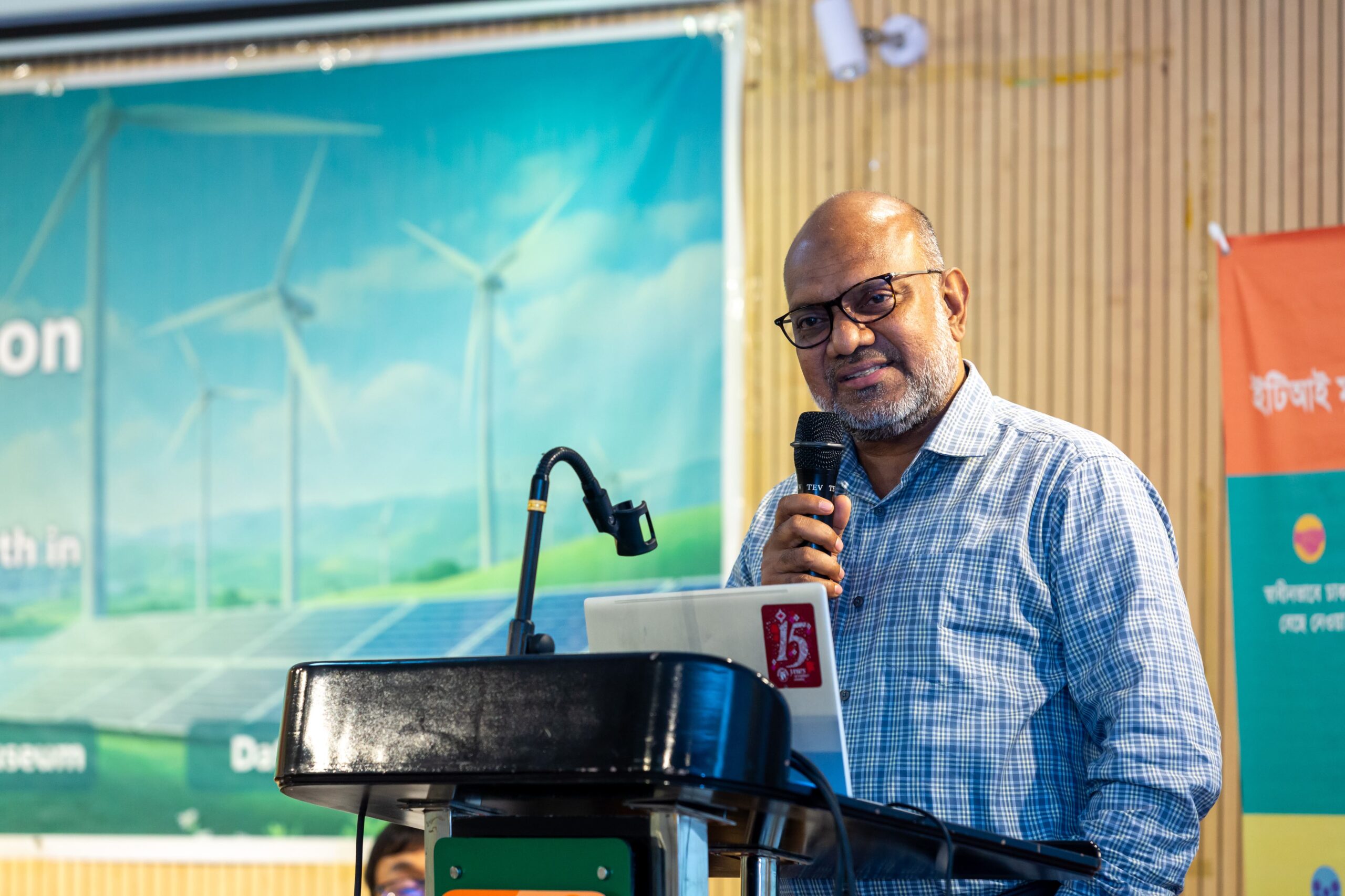
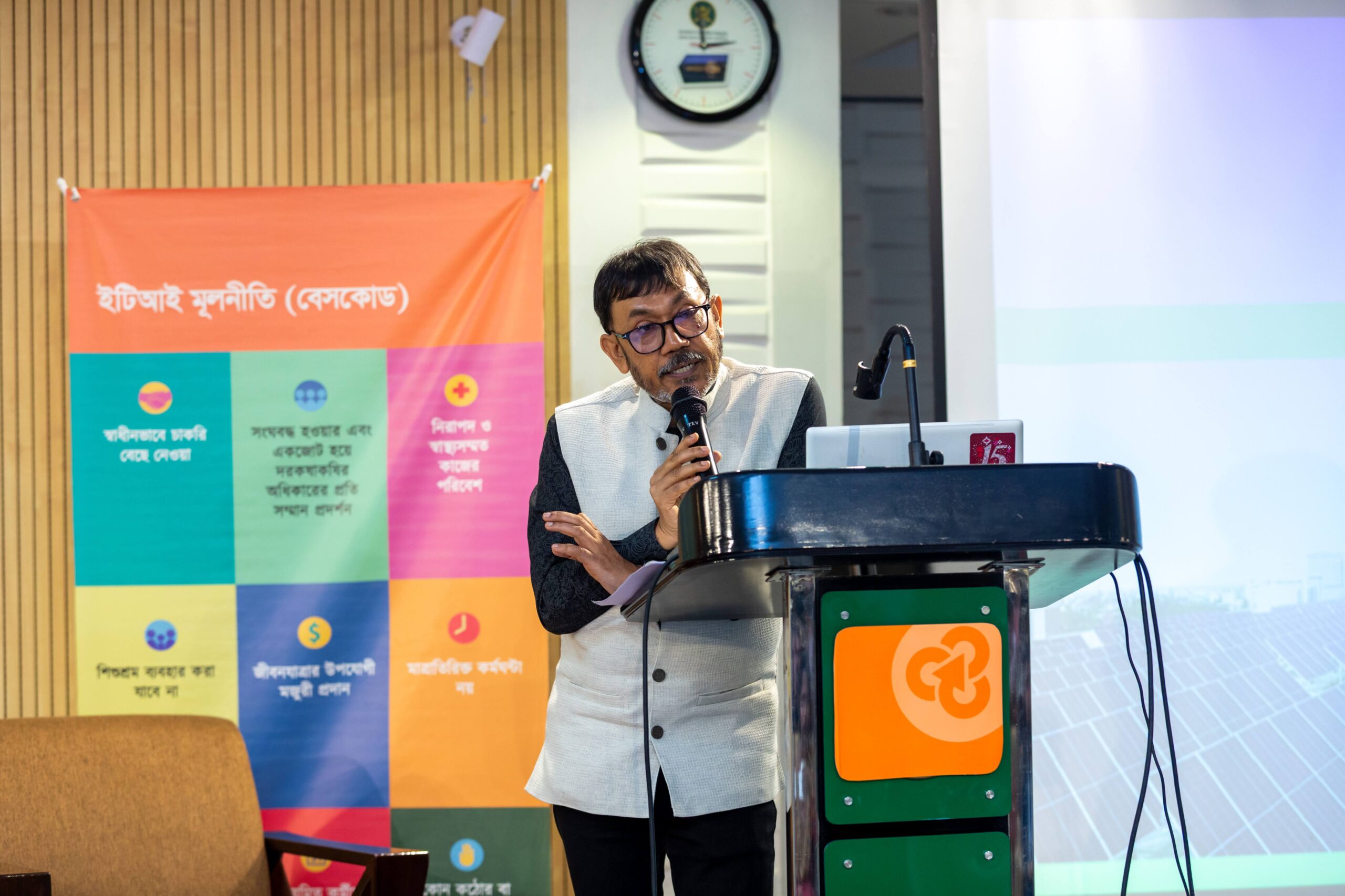
The call came at the “Rapid Energy Transition Conference: Powering Security, Sustainability and Growth in Bangladesh RMG,” convened by Ethical Trading Initiative (ETI) Bangladesh, which brought together 108 representatives from RMG factories. Speakers included representatives from BGMEA, BKMEA and BSREA, alongside international brands, financial institutions, renewable-energy companies and technical organisations.
The conference featured three working sessions examining the urgency of renewable-energy transition, available financing and technology pathways, and the role of business associations in supporting industry-wide implementation, respectively.
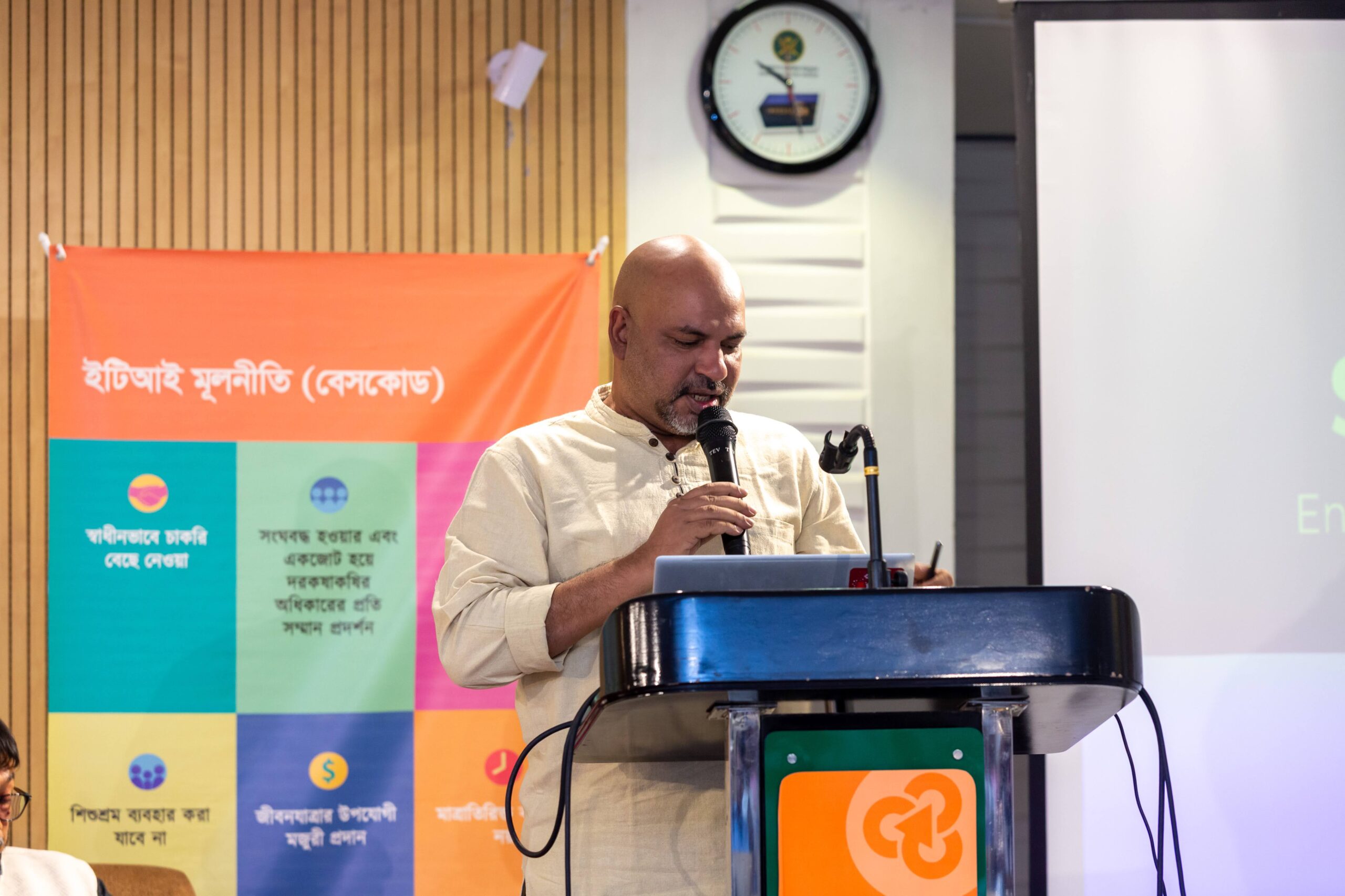
In his opening speech, Abil Bin Amin, Executive Director of ETI Bangladesh, called for a just and collaborative energy transition, stressing that factories and workers should not bear the costs of meeting international climate targets and transitioning to renewables, without collective stakeholder engagement and support.
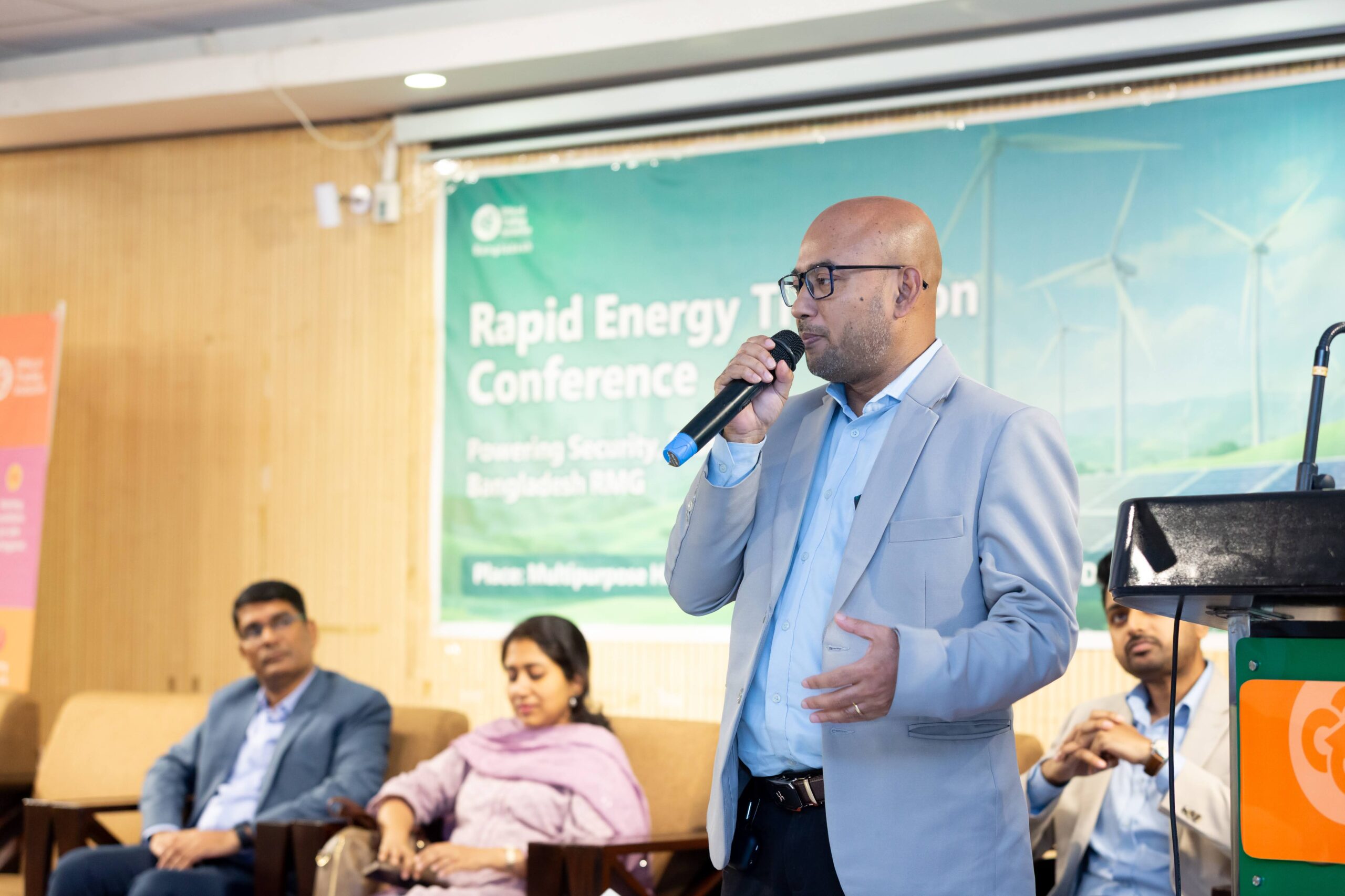
Eng. Imran Kader Turjo, Director of BKMEA, warned that Bangladesh could not secure the RMG sector’s energy future through rooftop solar alone.
“We are already late; these renewable-energy and infrastructure initiatives should have been implemented 10 to 12 years ago. Our priority now must be rapid and focused implementation,” he said.
Turjo called for a hybrid approach combining factory rooftop solar, reliable grid electricity, larger renewable-energy facilities on suitable land and appropriately assessed storage systems.
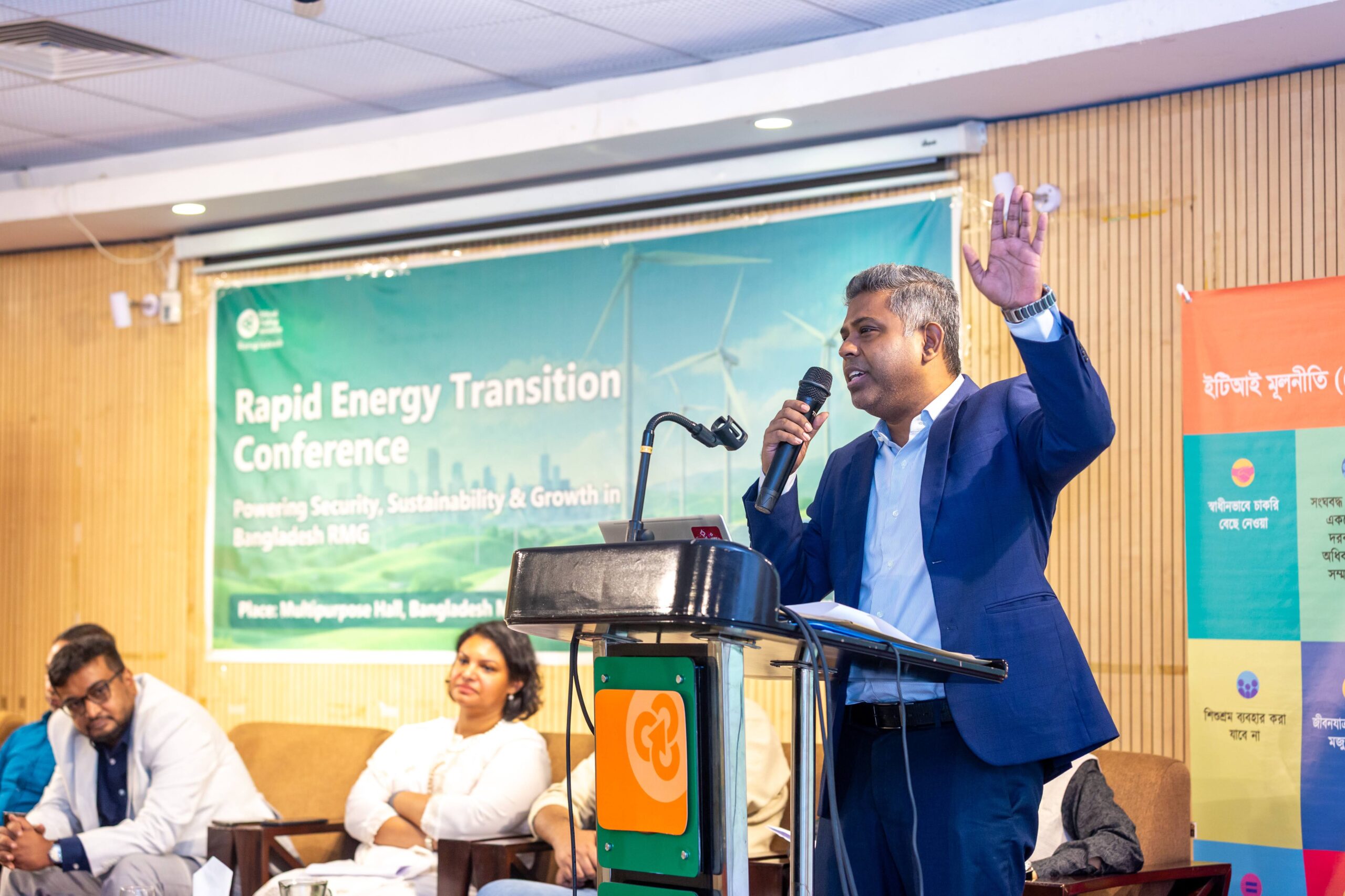
Nishat Nahrin Hamid, Chairman of BGMEA’s Standing Committee on Energy Optimisation, said renewable energy had become fundamental to production security and competitiveness.
“As an industry, we must become more independent when it comes to energy. Energy sovereignty must be part of Bangladesh’s industrial resilience strategy,” she said.
Nishat highlighted a BGMEA survey of 453 factories that identified approximately 165 - 170 MW of untapped rooftop-solar potential across the surveyed facilities.
Although factories showed strong interest, investment costs, limited roof space, inadequate technical support and difficulties accessing affordable finance continued to impede implementation, particularly among smaller factories.
She called for predictable multi-year policies, technically viable solutions, stronger grid infrastructure and bankable power-purchase agreements. Nishat also urged brands to align their sustainability and procurement teams so that environmental expectations were reflected in pricing, purchasing practices and direct factory support.
Kazy Mohammad Iqbal Hossain, South Asia Regional Sustainability Manager at Lindex, echoed this point and said responsibility for the transition could not be placed on factories alone.
He called for fairer purchasing practices, better alignment between brands’ sustainability and procurement teams, and longer-term sourcing relationships.
Mostafa Al Mahmud, President of BSREA, said regulatory delays, unclear pricing, taxation and inadequate upfront finance had made the transition more difficult and expensive.
“Delay is costly. There is no alternative to renewable energy,” he said.
Mostafa added that refinancing after expenditure could not, by itself, meet factories’ upfront investment needs. He called for faster approvals, clearer electricity-purchasing arrangements and appropriate tax treatment.
The first working session also featured keynote presentations by Priyong Sabastini, Senior Programme Officer at ETI Bangladesh, and Hasan Mehedi, Chief Executive of Coastal livelihood and Environmental Action Network (CLEAN).
Priyong stressed that Bangladesh’s RMG sector was caught between a worsening domestic energy crisis and growing global pressures arising from LDC graduation, EU regulations and brands’ net-zero commitments, making an accelerated renewable-energy transition essential to long-term industrial resilience and competitiveness.
Hasan Mehedi linked the present crisis to Bangladesh’s growing exposure to imported LNG, coal, oil and cross-border electricity, noting imported LNG’s share of the country’s gas supply had increased from around 11 percent in FY2018–19 to 35 percent in FY2025–26.
“We should not wait until 2029 to begin preparing for 2030. The preparation has to start now,” he said.
In his keynote, Mehedi examined the potential benefit of scaling industrial solar capacity to 2,000 MW by 2030. CLEAN estimates that this capacity could generate around 3.1 billion units annually and avoid up to Tk5,713 crore in furnace-oil costs each year, if the solar electricity displaced furnace-oil generation.
For an industrial user, Mehedi also presented a 10 kWp rooftop-solar model costing Tk7.5 lakh. CLEAN estimated that the system could save approximately Tk17.5 lakh over 20 years compared with purchasing the same electricity at the assumed industrial tariff.
Ashis Kumar Basak, General Manager of Ha-Meem Group, further demonstrated the commercial case for transition. Basak reported that solar had reduced the group’s blended electricity cost by approximately Tk1–1.25 per unit, with an estimated payback period of 4.5 to six years.
Farzana Rahman and Tasfin Fahad from BRAC Bank explained that eligible green financing projects could access certain concessional refinancing facilities through participating commercial banks, subject to documentation, technical evidence, project viability and credit assessment.
Key recommendations emerging from the conference included:
- Converting national and RMG renewable-energy ambitions for 2030 into annual targets, identifying how much capacity should be installed each year and which institutions would be responsible;
- Moving beyond refinancing after a project has been completed by providing affordable finance before installation (pre-financing), based on the project’s technical and commercial viability;
- Establishing fixed approval timelines and a one-stop net-metering process, ensuring that electricity exported by factories is properly recorded and credited against their bills;
- Allowing factories to buy renewable electricity directly from independent generators through merchant or corporate power-purchase agreements, with transparent and commercially workable grid-use charges;
- Creating clustered solar arrangements through which five to ten smaller factories could combine their projects, reduce transaction costs and improve access to finance;
- Introducing predictable multi-year industrial electricity pricing so that factories could properly assess investments and negotiate longer-term commitments with international buyers;
- Developing a credible domestic system for tracking renewable-electricity generation and renewable energy certificates, enabling factories with limited rooftop capacity to support renewable projects within Bangladesh and report this transparently to buyers and
- Aligning brands’ sustainability targets with purchasing practices, financing, fairer pricing and longer-term sourcing support.
Closing the conference, Munir Uddin Shamim, Director of Programmes at ETI Bangladesh, circled back the discussion to the human implications of the transition. He emphasised that energy insecurity ultimately affected workers, their incomes and their families, and that renewable-energy transition must therefore remain both commercially viable and socially just.