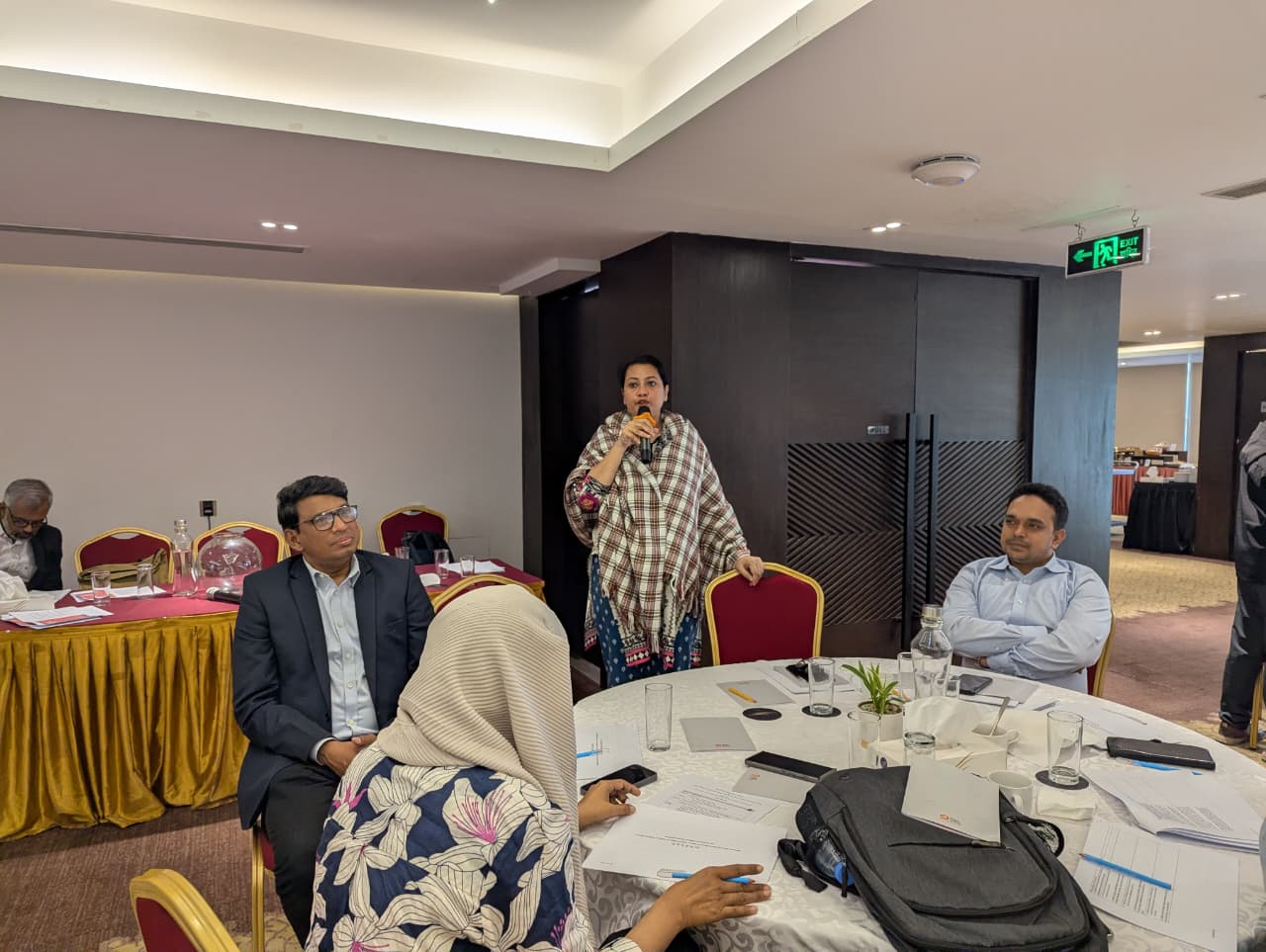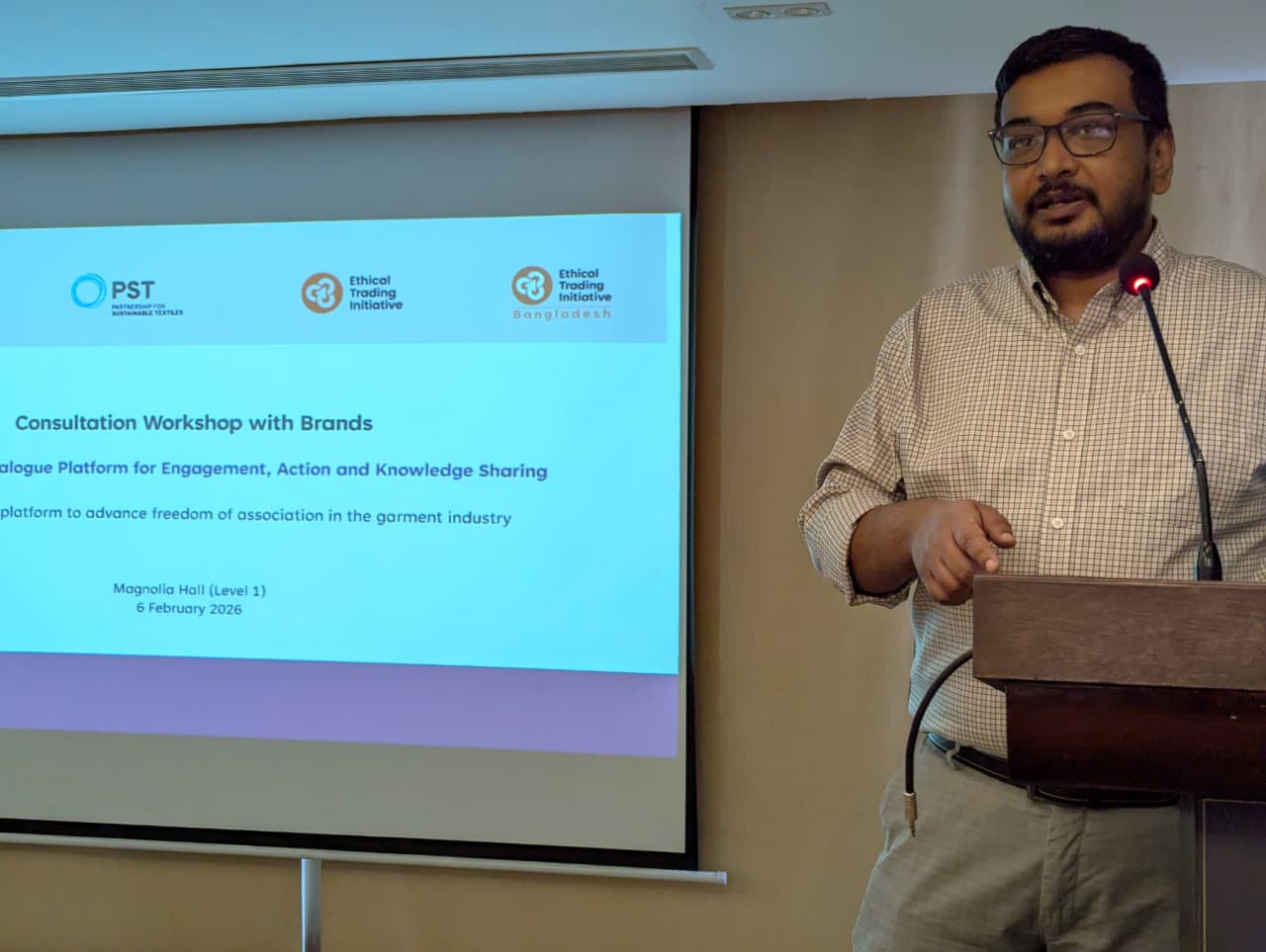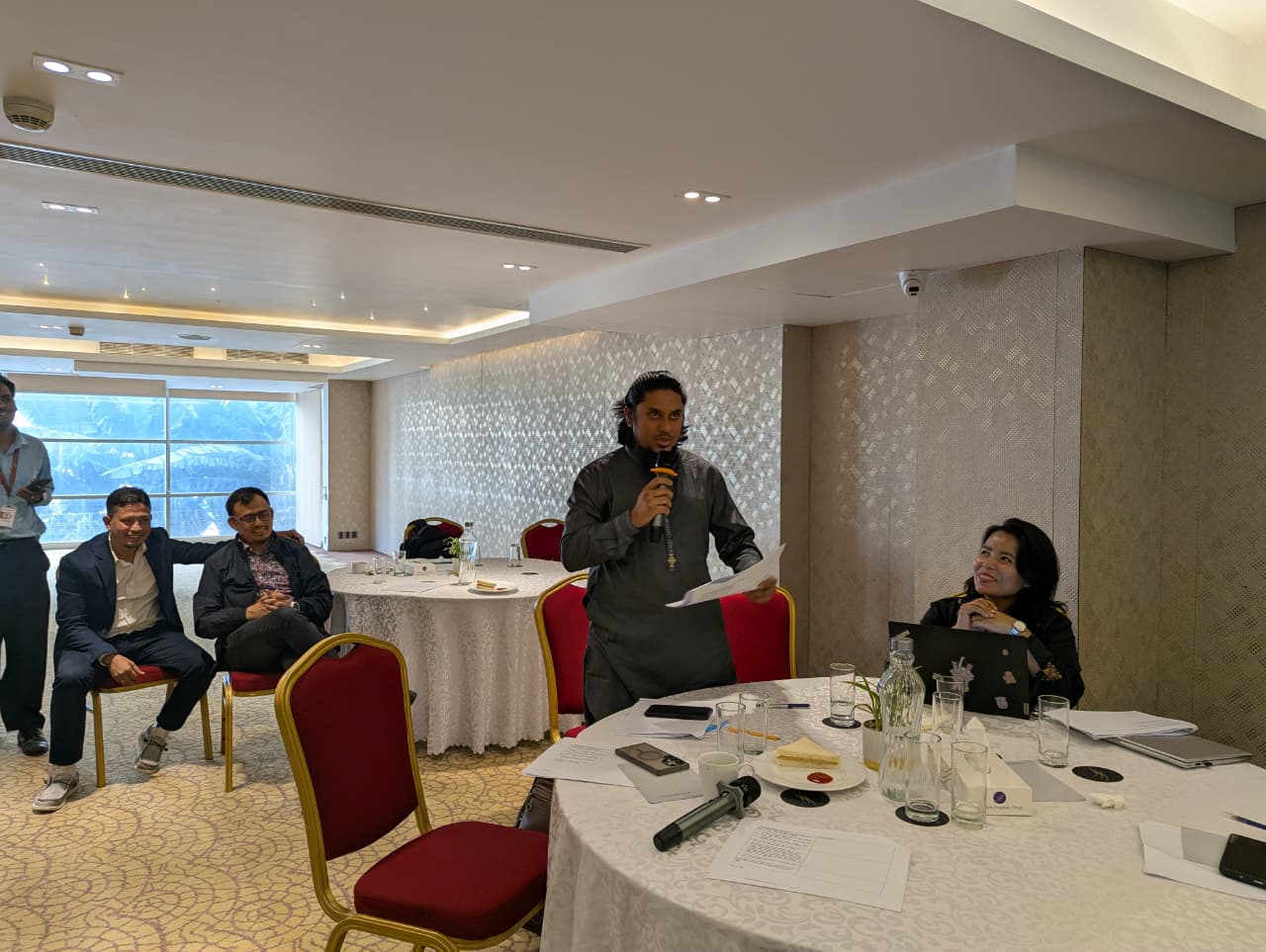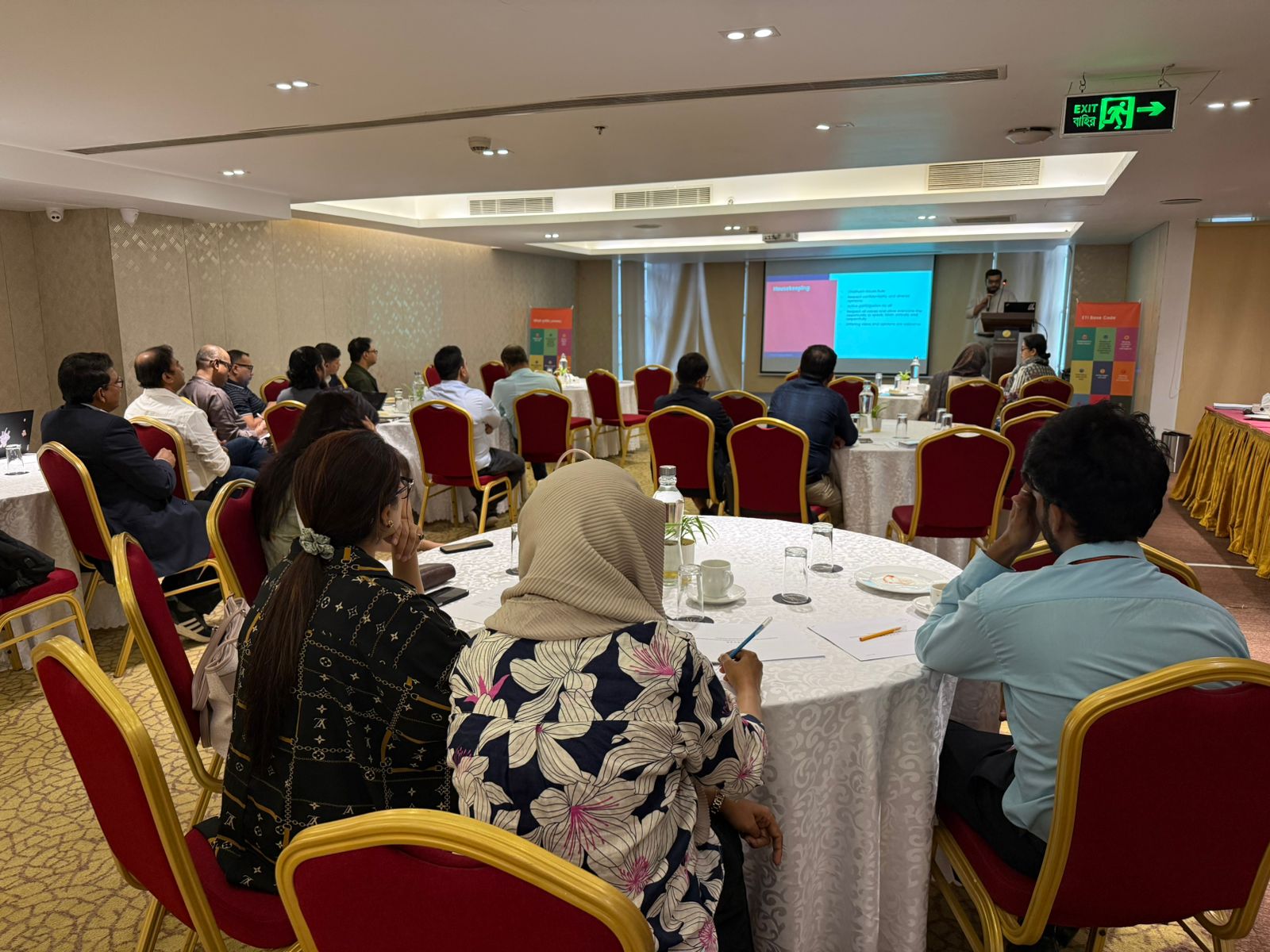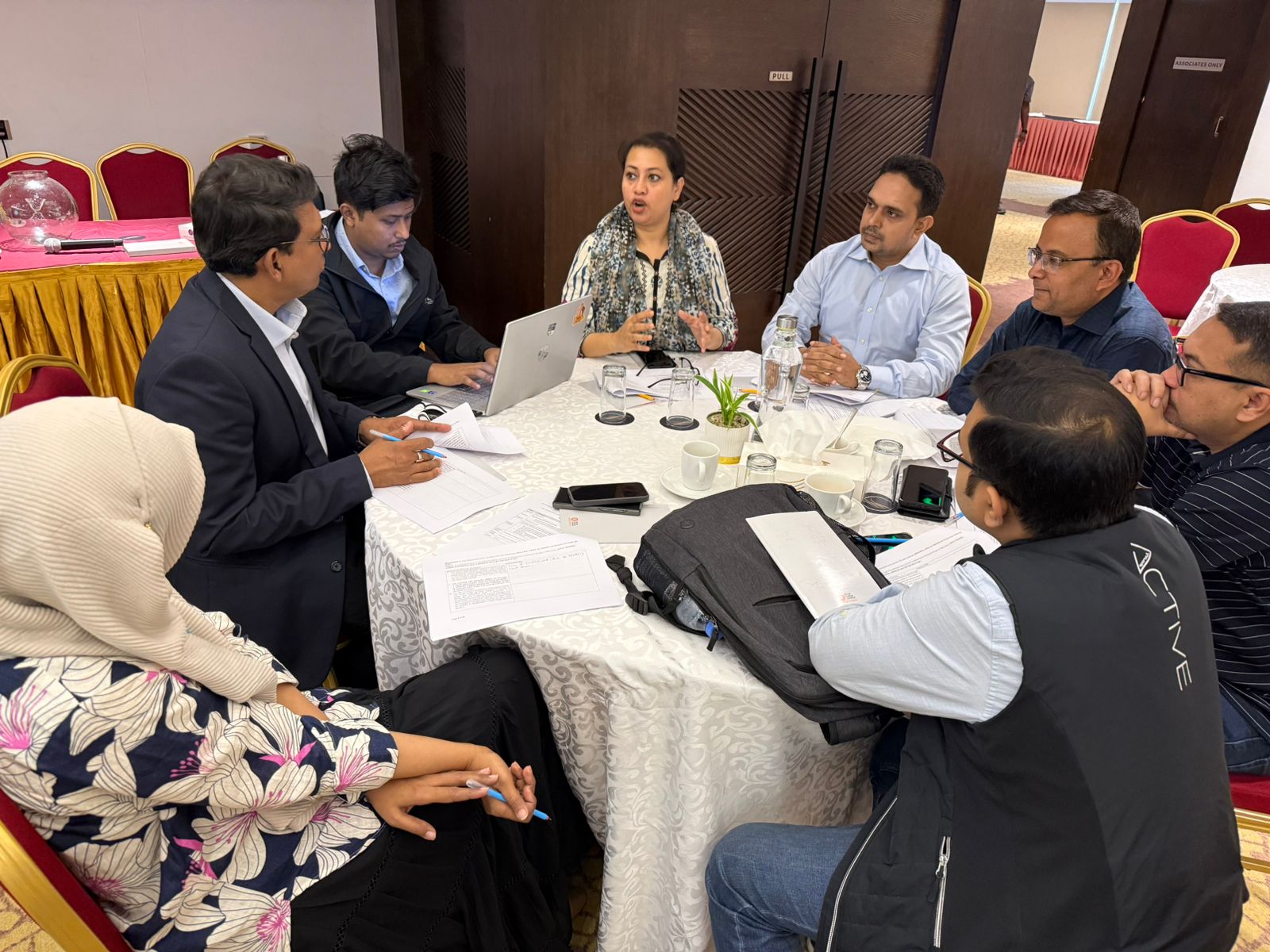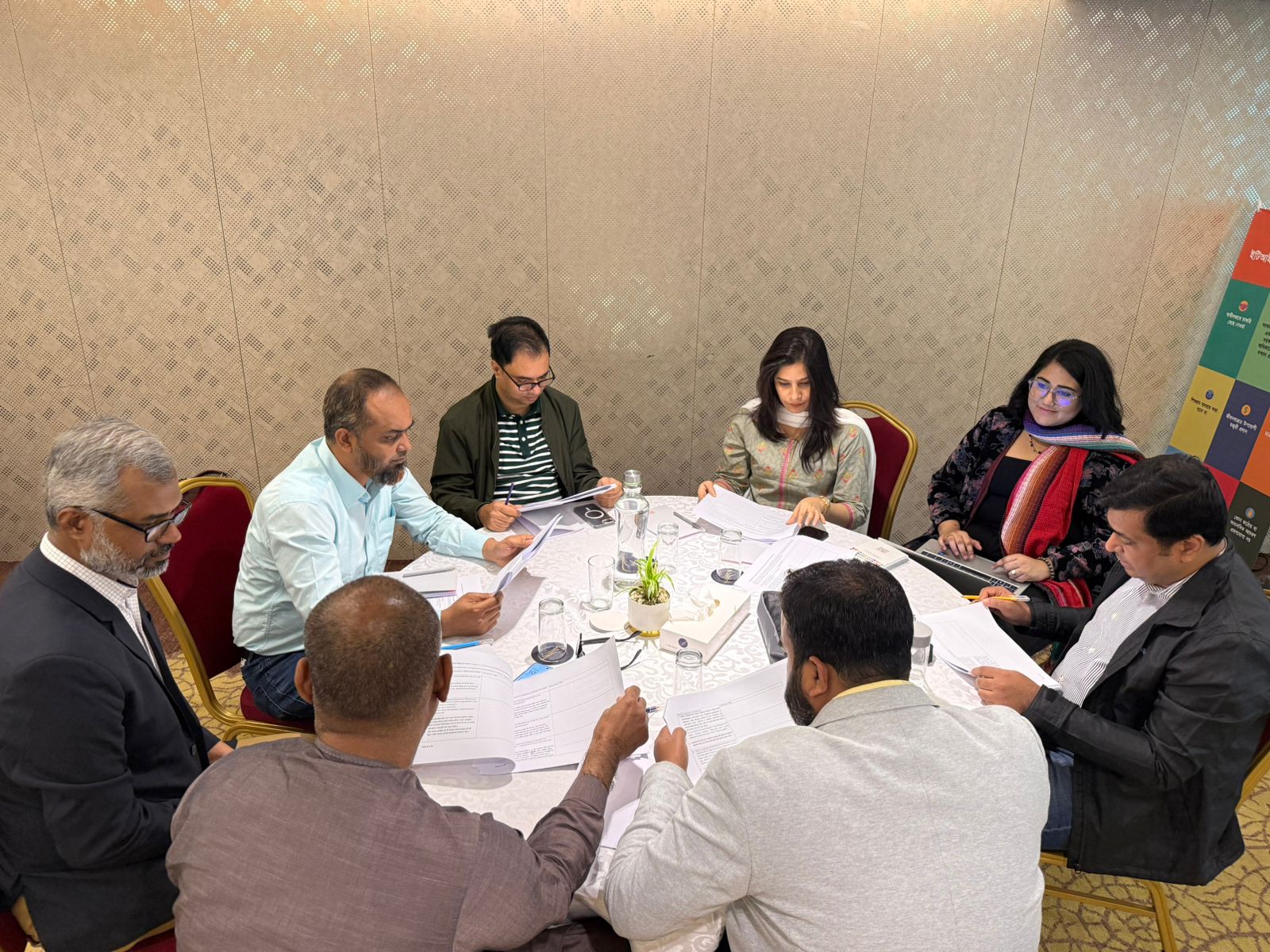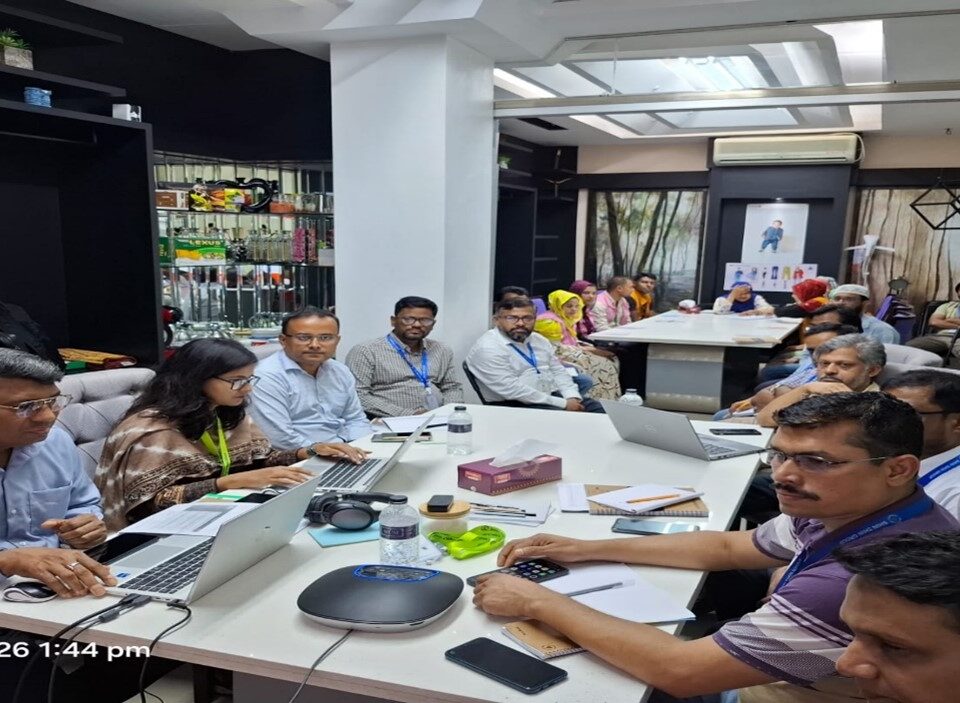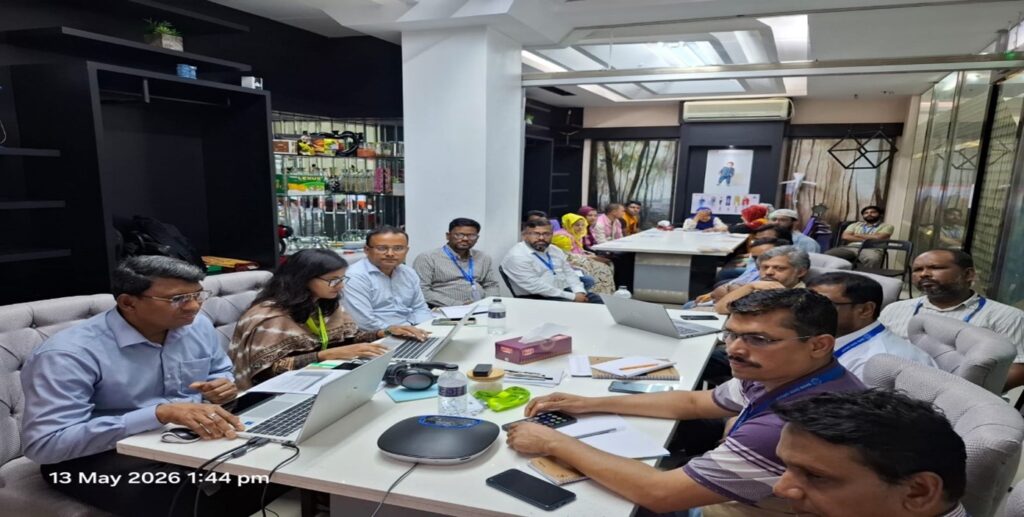
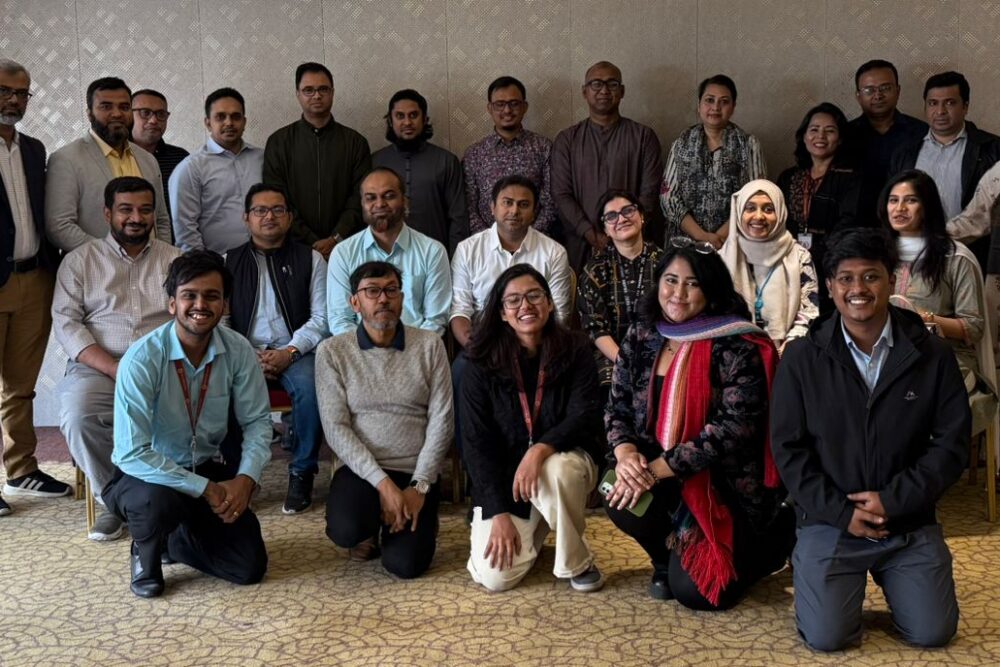
Ethical Trading Initiative (ETI) Bangladesh organized a consultation workshop with brand representatives on 6 February 2026 in Dhaka on Freedom of Association
Ethical Trading Initiative (ETI) Bangladesh organized a consultation workshop with brand representatives on 6 February 2026 in Dhaka on Freedom of Association
The workshop brought together 18 participants representing 17 global brands to discuss the evolving challenges affecting workers’ livelihoods in Bangladesh’s Ready-Made Garment (RMG) sector and to gather perspectives on Freedom of Association (FoA). The consultation also aimed to capture industry insights on the evolving risks affecting workers’ livelihoods in the sector, to understand stakeholders’ perspectives on Freedom of Association (FoA) and stakeholders’ expectations for how the SPEAKS platform could function effectively at both national and global levels to strengthen worker representation and social dialogue
Through facilitated group discussions, participants examined how automation, climate change, economic pressures, and political dynamics are reshaping the industry and affecting workers’ livelihoods. Participants noted that industry transformation, rising production costs, and fluctuating orders are contributing to employment uncertainty, while technological changes may disproportionately impact women and older workers due to skills gaps and limited access to training.
Discussions also highlighted risks related to worker health and safety, economic pressures, and social vulnerabilities. Rising living costs, long working hours, and environmental risks were identified as key challenges affecting workers’ well-being, while gender-based barriers and social responsibilities continue to limit women’s participation in training and advancement opportunities.
Participants further explored the current practice of Freedom of Association in the sector. While the legal framework supports worker organization, practical challenges remain. These include political influence, limited worker awareness, capacity gaps in worker representation structures, and trust issues between workers and management. Participants emphasized that effective FoA requires stronger awareness, leadership development, transparent processes, and improved dialogue mechanisms within workplaces. Insights on the legislative and institutional environment affecting FoA were also shared where participants highlighted that despite legal provisions allowing union formation, implementation challenges such as complex registration procedures, political dynamics, and inconsistent recognition of unions can limit their effectiveness.
Participants expressed strong expectations for the SPEAKS platform to serve as a transparent, inclusive, and action-oriented mechanism for strengthening dialogue across the garment supply chain. They emphasized the importance of meaningful engagement between brands, manufacturers, worker representatives, and other stakeholders, as well as practical tools for training, monitoring, and knowledge sharing.
The workshop was conducted under SPEAKS collaborative initiative that aims brings together brands, manufacturers, workers’ representatives, and social partners to strengthen social dialogue and address Freedom of Association risks in global supply chains.