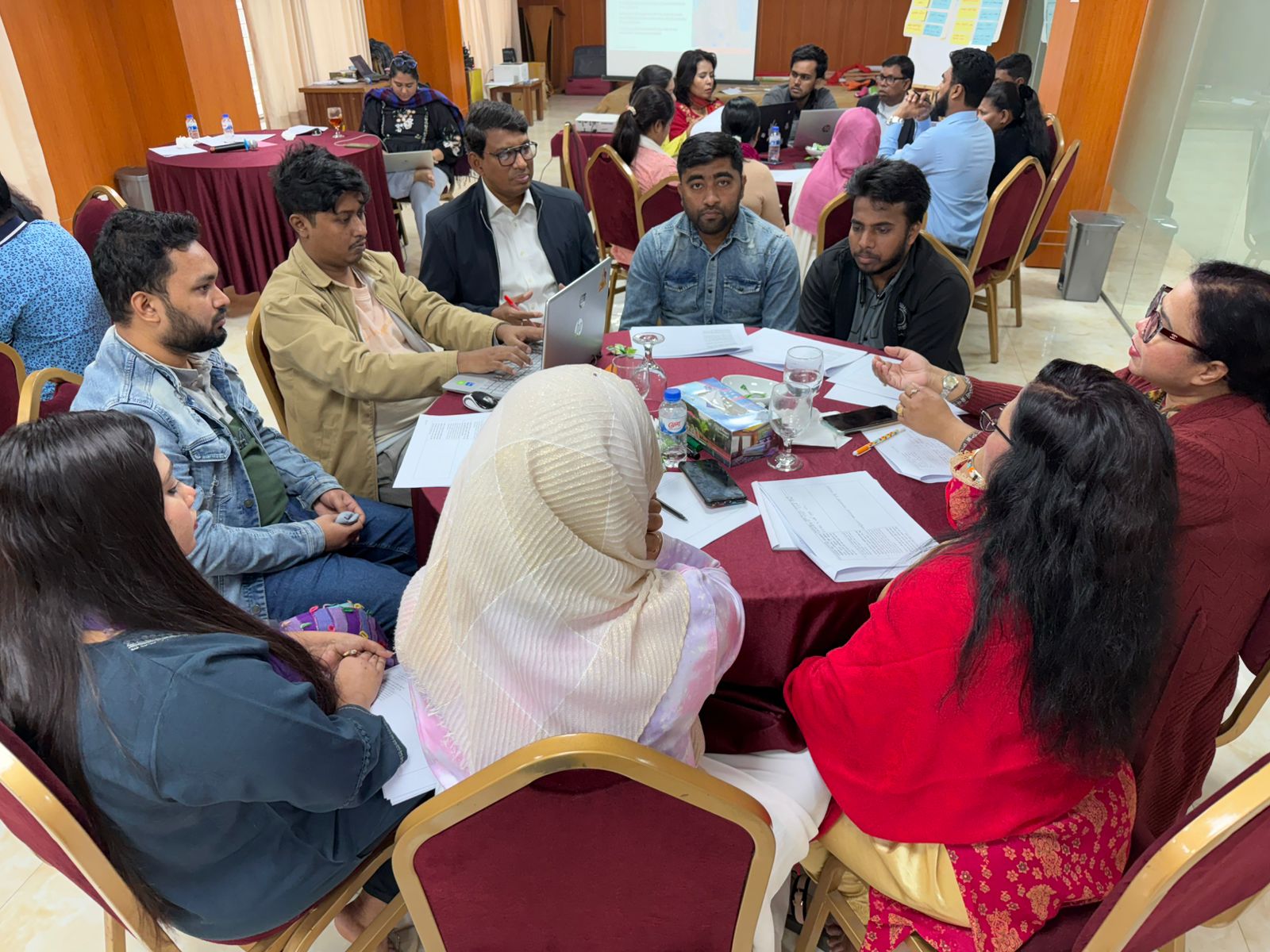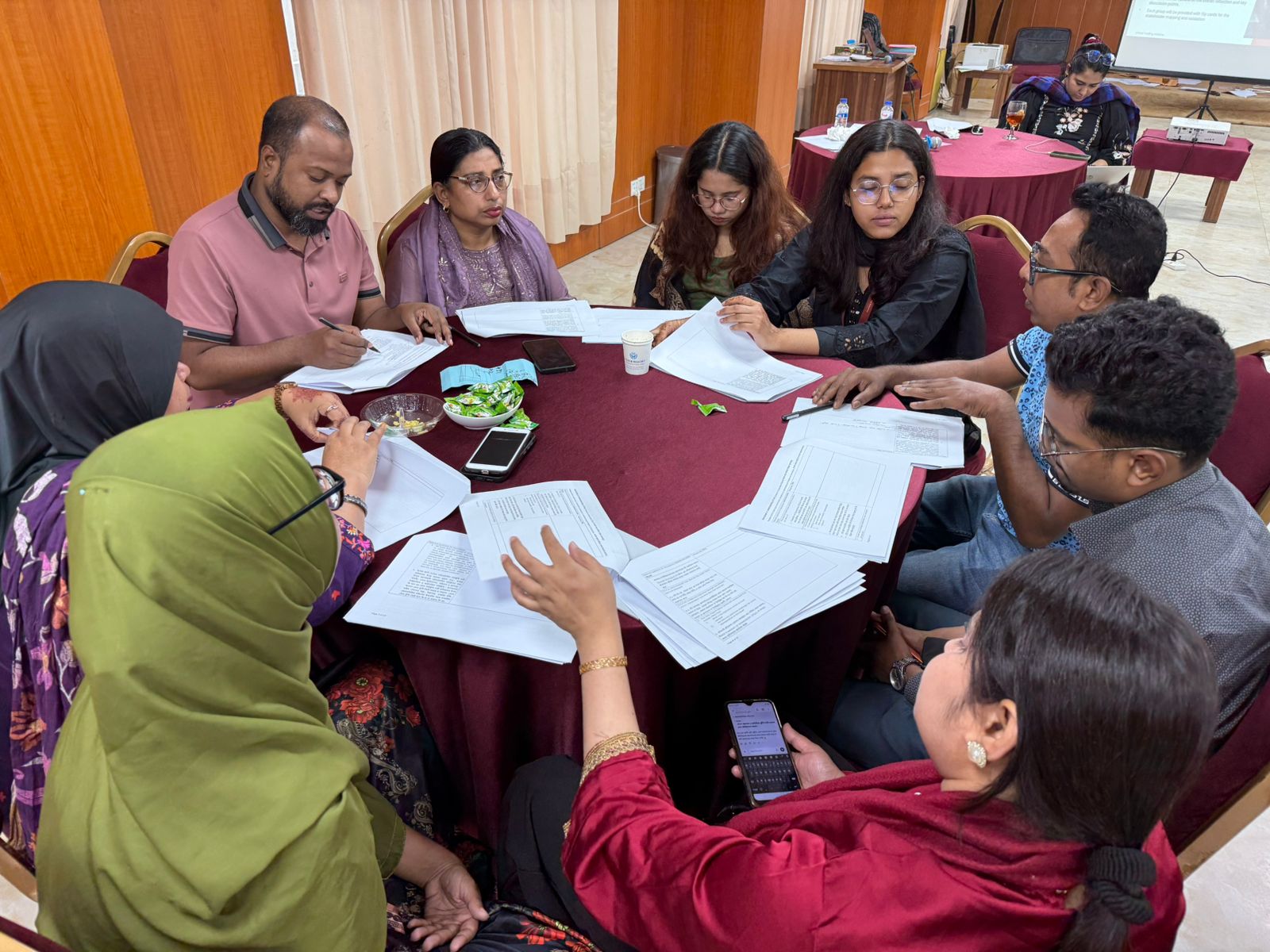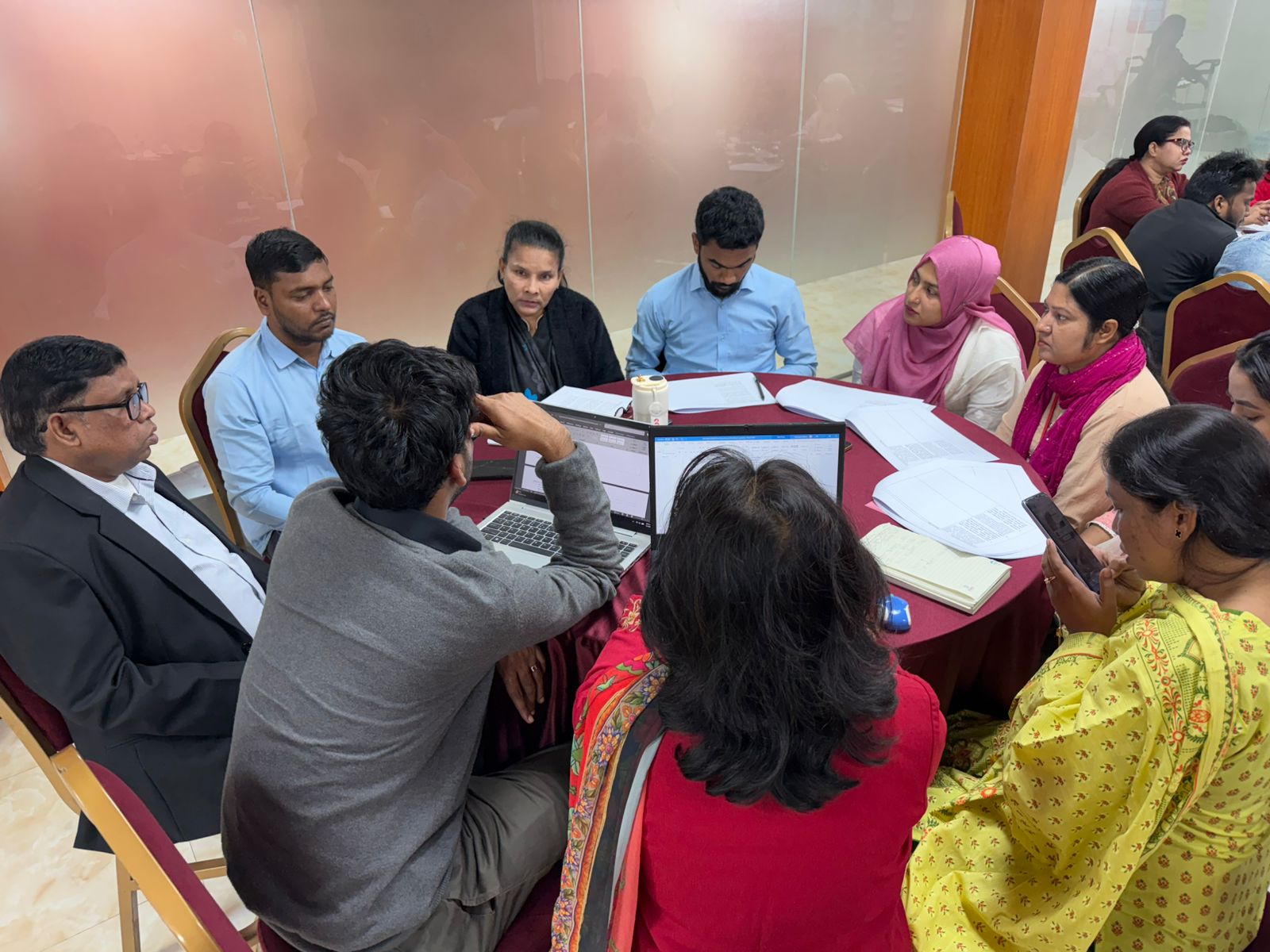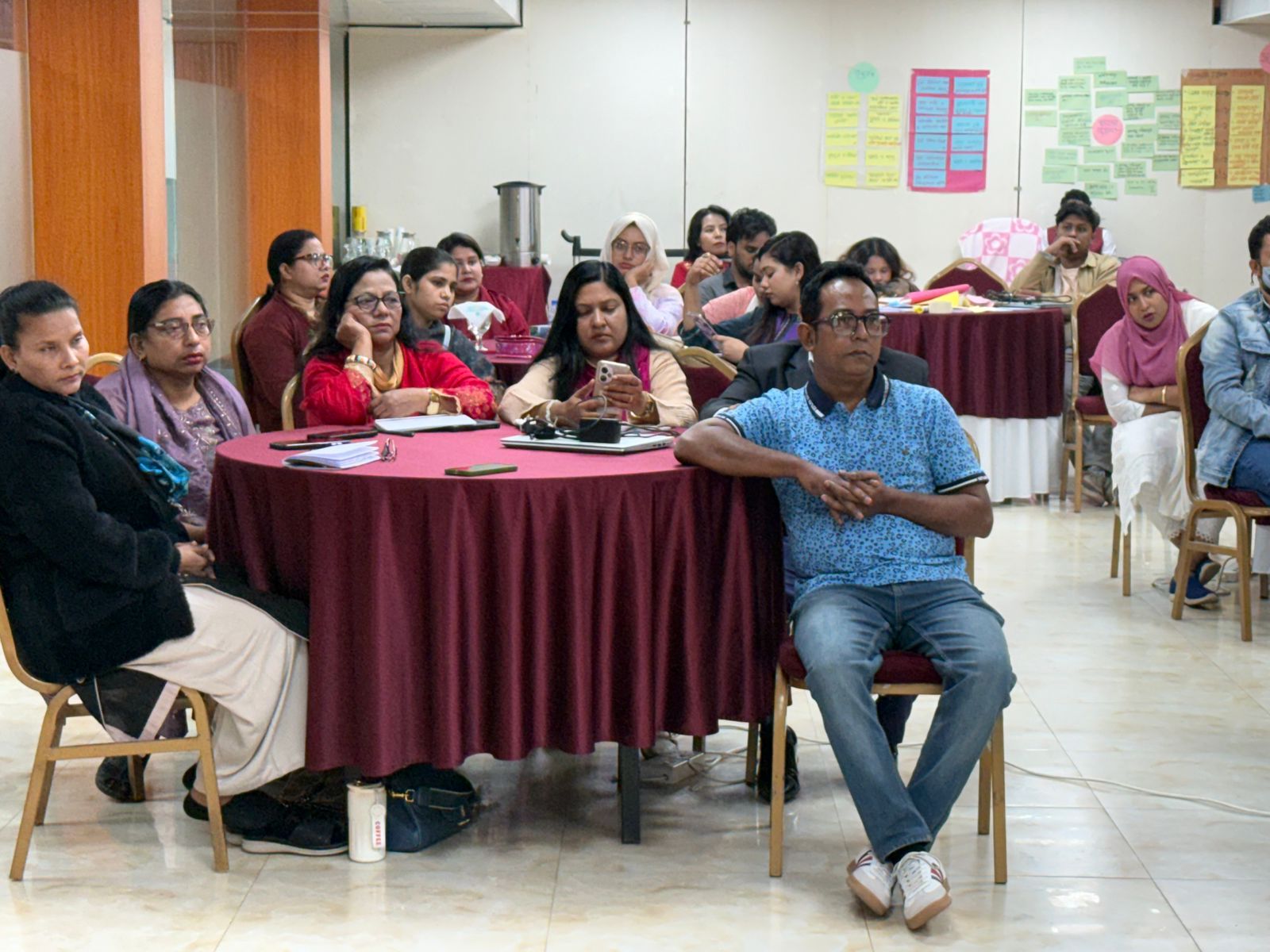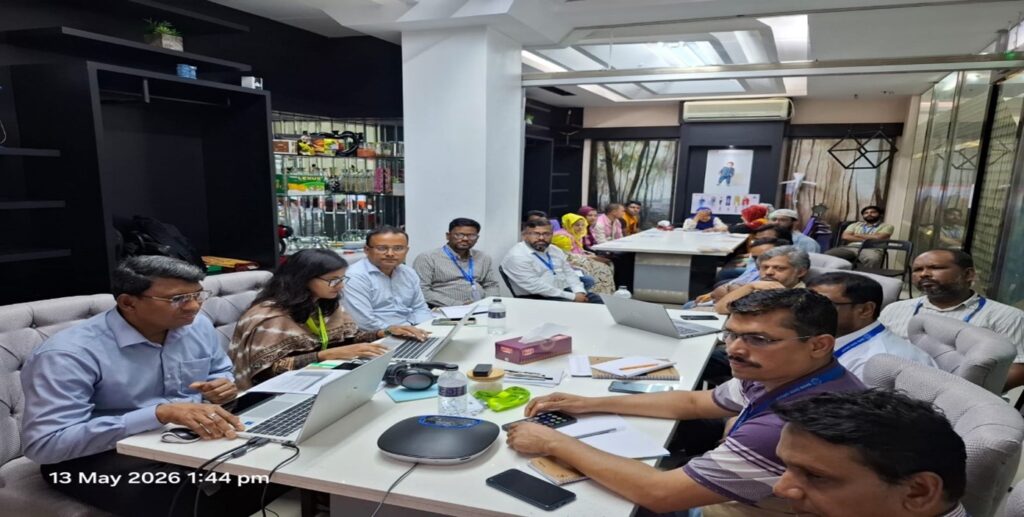
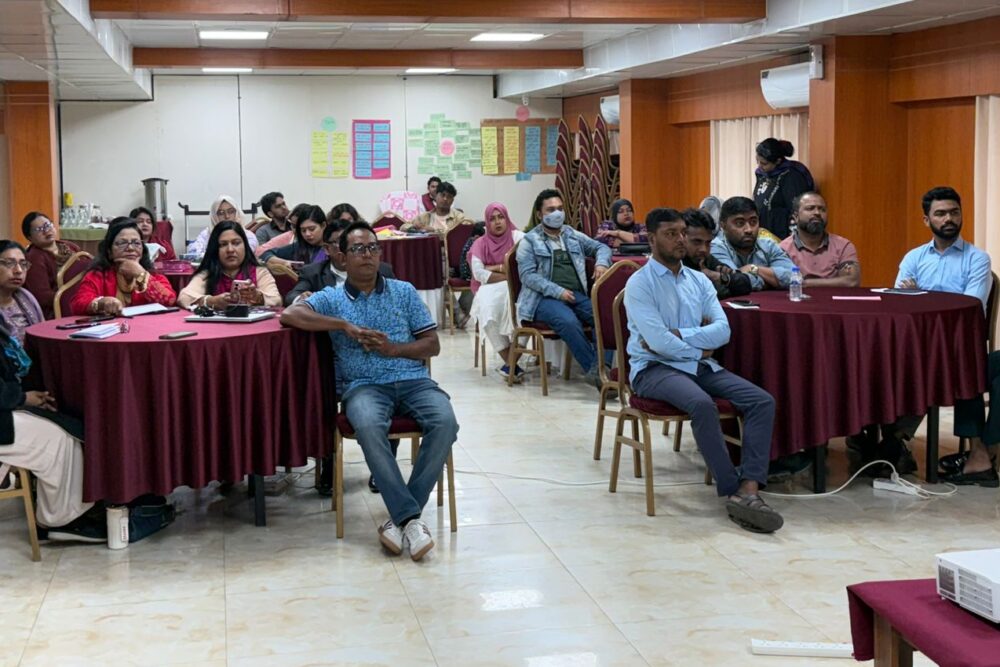
Ethical Trading Initiative (ETI) Bangladesh organized a consultation workshop with trade union leaders and worker representatives from the Ready-Made Garment (RMG) sector on 3 February 2026 in Gazipur on Freedom of Association
The workshop brought together 25 participants representing 13 trade union federations, creating a space for dialogue on the evolving challenges affecting workers’ livelihoods in the garment sector and the implementation of Freedom of Association (FoA). The session aimed to gather industry insights on the evolving risks affecting workers’ livelihoods in the sector, to understand stakeholders’ perspectives on Freedom of Association (FoA) and social dialogue, national and global legislation changes and expectations from the platform.
Through interactive group discussions, participants examined how factors such as automation, climate change, rising living costs, and global economic uncertainty are shaping the future of work in the RMG sector. Participants highlighted growing concerns around job insecurity, factory closures, increased production pressure, and the limited availability of inclusive reskilling opportunities. Women and older workers were identified as particularly vulnerable due to gender-based discrimination and unequal access to training and employment opportunities.
Discussions also explored stakeholders’ perspectives on Freedom of Association, with participants noting that while FoA is legally recognized in Bangladesh and supported by international labour standards, its implementation often faces practical challenges. Participants pointed to issues such as fear of retaliation, barriers in trade union registration processes, limited worker awareness, and administrative constraints that continue to restrict the effective exercise of FoA rights.
Participants further discussed the broader institutional and social barriers affecting worker organization and social dialogue, including limited enforcement of labour laws, weak monitoring systems, and challenges faced by migrant and subcontract workers.
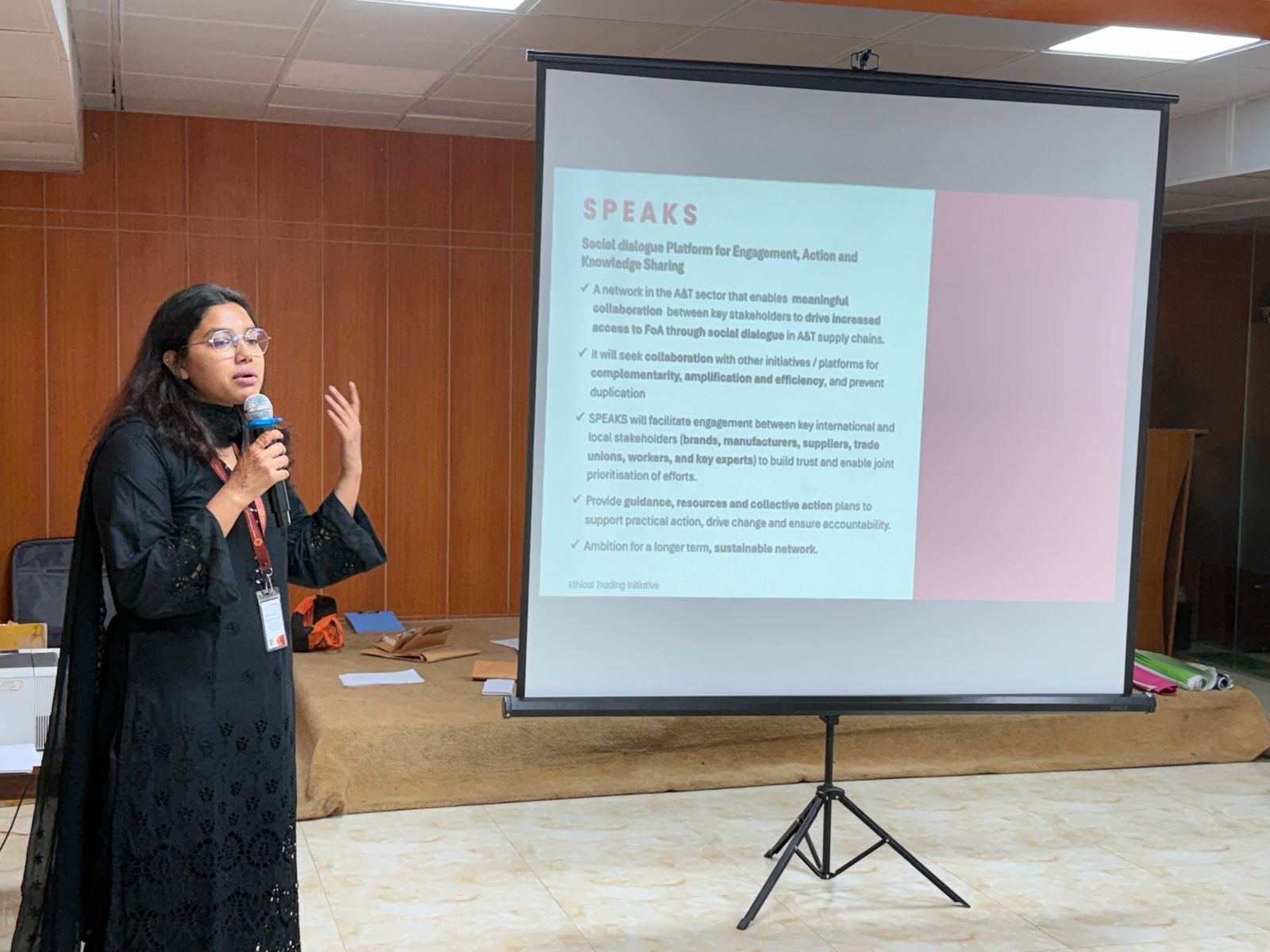
The session also gathered participants’ expectations for the SPEAKS platform, which they viewed as a potential mechanism to strengthen multi-stakeholder dialogue and accountability within the sector. Participants emphasized the importance of an inclusive platform that brings together workers’ representatives, manufacturers, brands, and social partners to address grievances, strengthen Freedom of Association, and support long-term improvements in labour rights and working conditions.
The workshop was conducted under SPEAKS collaborative initiative that aims brings together brands, manufacturers, workers’ representatives, and social partners to strengthen social dialogue and address Freedom of Association risks in global supply chains.