
The UN 16 Days of Activism Against Gender-Based Violence runs from 25 November to 10 December each year. In 2025, the theme is “End Digital Violence Against All Women and Girls”.
ETI Bangladesh observed the UN 16 Days of Activism Against Gender-Based Violence 2025 through webinars, factory-level awareness activities, and public actions in Dhaka. The activities reached around 150 factories and focused on prevention of gender-based violence, digital safety, workplace reporting, and compliance with national and international labour standards.


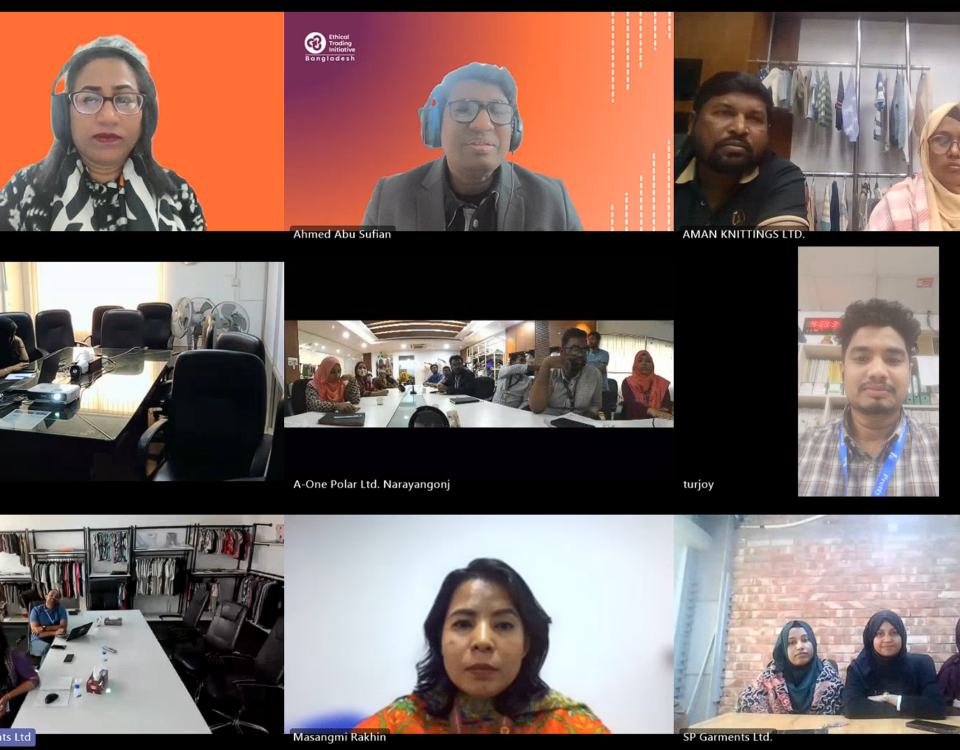
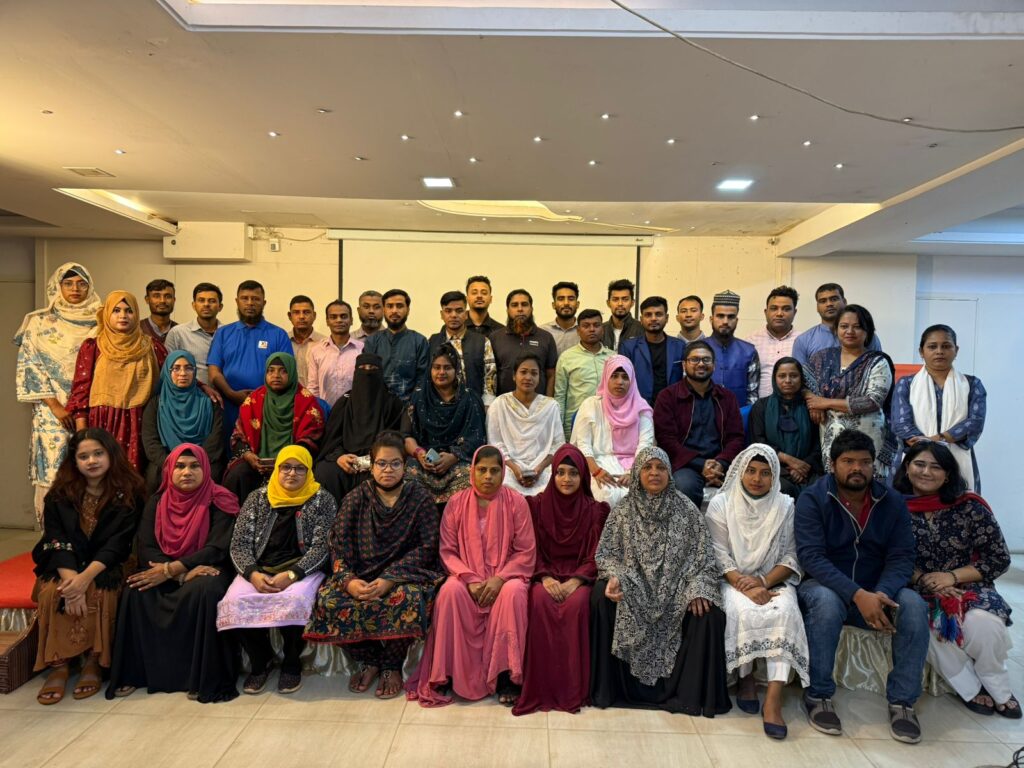
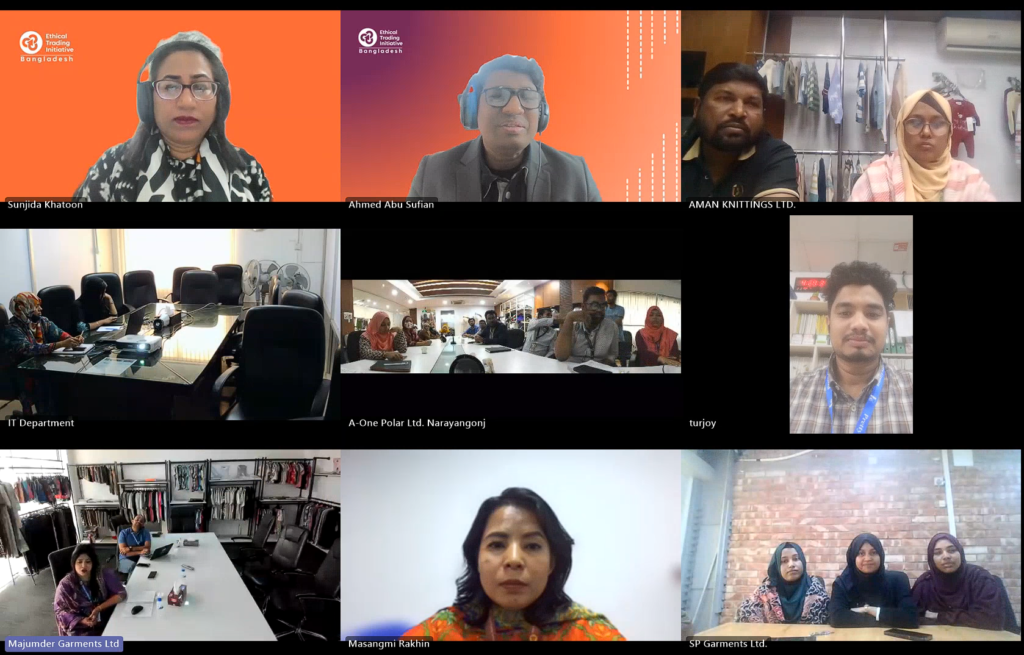
As part of the preparation, ETI Bangladesh organised two webinars on 23 and 25 November. Representatives from factories joined the sessions. Participants included factory management, members of Anti-Harassment Committees, Participation Committees, and Trade Unions. The webinars explained the history of the UN 16 Days of Activism and the 2025 campaign theme. The sessions also covered ILO Convention 190 and the 2025 amendment of the Bangladesh Labour Act 2006.
ETI Bangladesh shared information on digital harassment faced by women through online platforms. The sessions discussed workplace responsibility for prevention and reporting. ETI Bangladesh also explained key provisions of ILO Convention 190 and recent labour law changes related to harassment prevention, maternity benefits, accident compensation, Anti-Harassment Committees, and mental health at work
An open discussion session addressed questions on committee formation and compliance. ETI Bangladesh advised factories to continue existing committee structures until further guidance. Factories shared their plans for observing the campaign without disrupting production
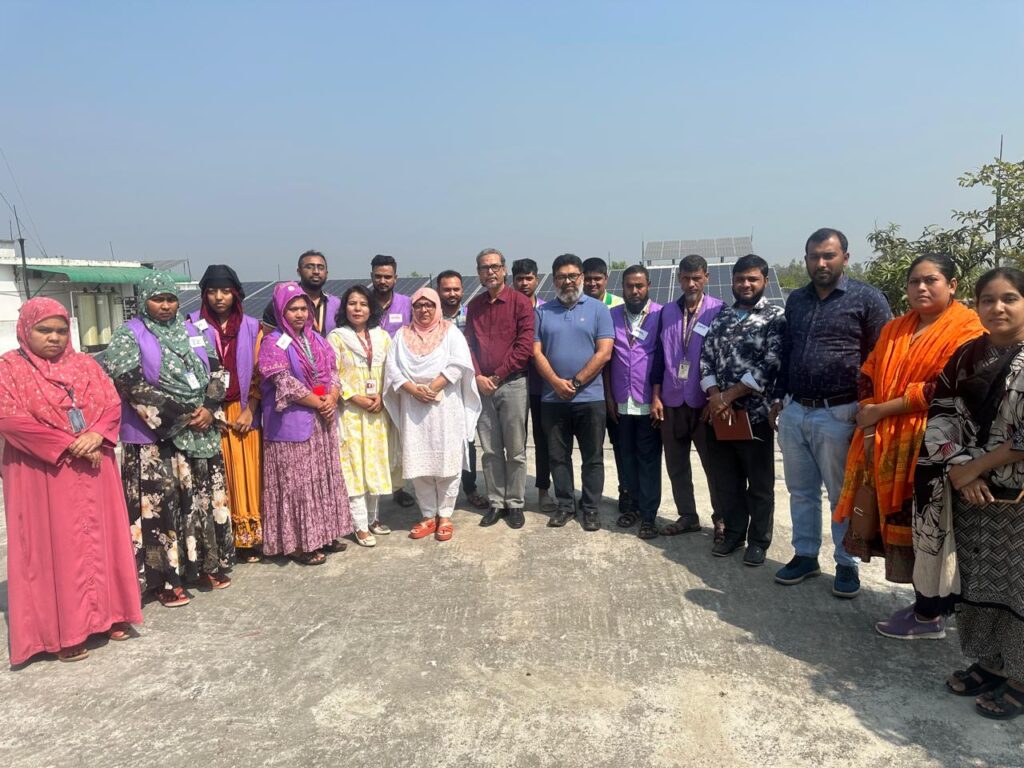
During the campaign period, factories observed the Women’s Day to Prevent Violence Against Women and carried out activities from 25 November to 10 December. Activities included flag hoisting, awareness sessions with workers, display of posters and banners, PA system messages, video screenings, rallies, meetings, quizzes, signature campaigns, and cultural programmes. Factories also shared campaign messages and information on zero tolerance for violence
Factories conducted training sessions using flipcharts for workers, Participation Committee members, and Trade Union members. Supervisors and management joined sensitisation sessions. Workers took part in rallies, human chains, pledge signing, and dialogue meetings with management
Factories introduced Anti-Harassment Committee members and shared complaint procedures and referral pathways. Suggestion boxes and reporting mechanisms remained active during the campaign. Many factories marked the end of the campaign with closing sessions and learning-sharing meetings
Factories distributed leaflets on types of GBV and harassment. They conducted awareness-raising training sessions.
Other activities included rallies inside factory premises. Workers formed human chains. They signed pledges. Many workers wore orange-colored attire.
ETI Bangladesh supported factories with posters, flipcharts, concept notes, PA messages, and reporting formats. These materials were developed with ILO Better Work Bangladesh.
As part of wider engagement, ETI Bangladesh participated in Gender Platform Bangladesh activities during the campaign period. These included a cycle rally, candlelight vigil, and mass signature campaign in Dhaka. The events focused on digital violence and workplace violence against women. Member organisations of Gender Platform Bangladesh joined these activities
Through these activities, ETI Bangladesh continued its work on awareness, prevention, and reporting of gender-based violence in workplaces.