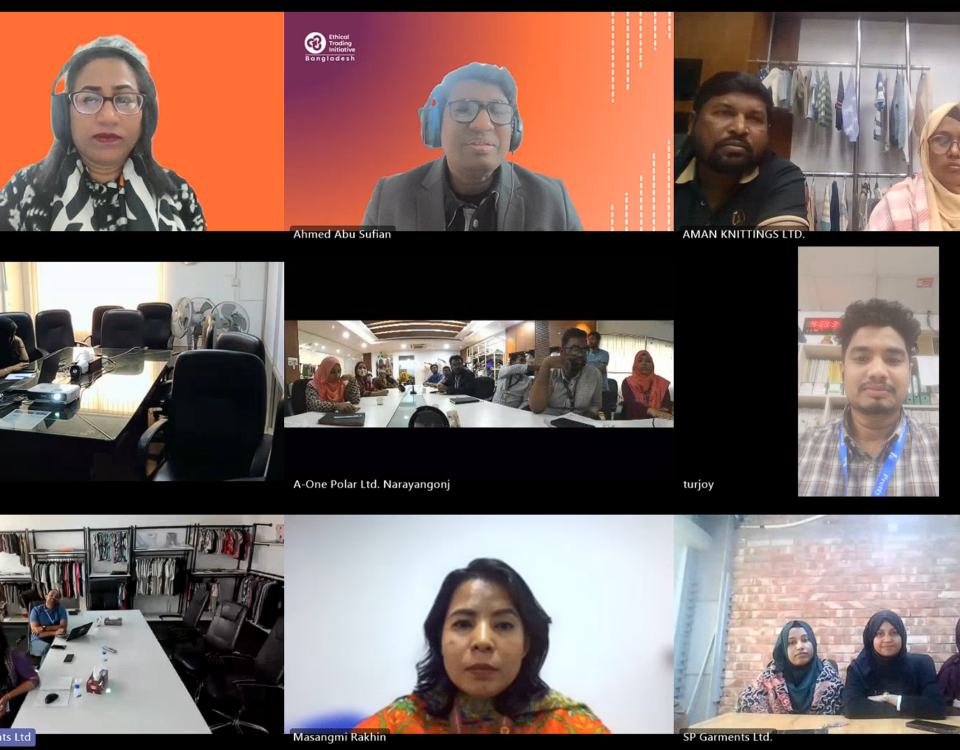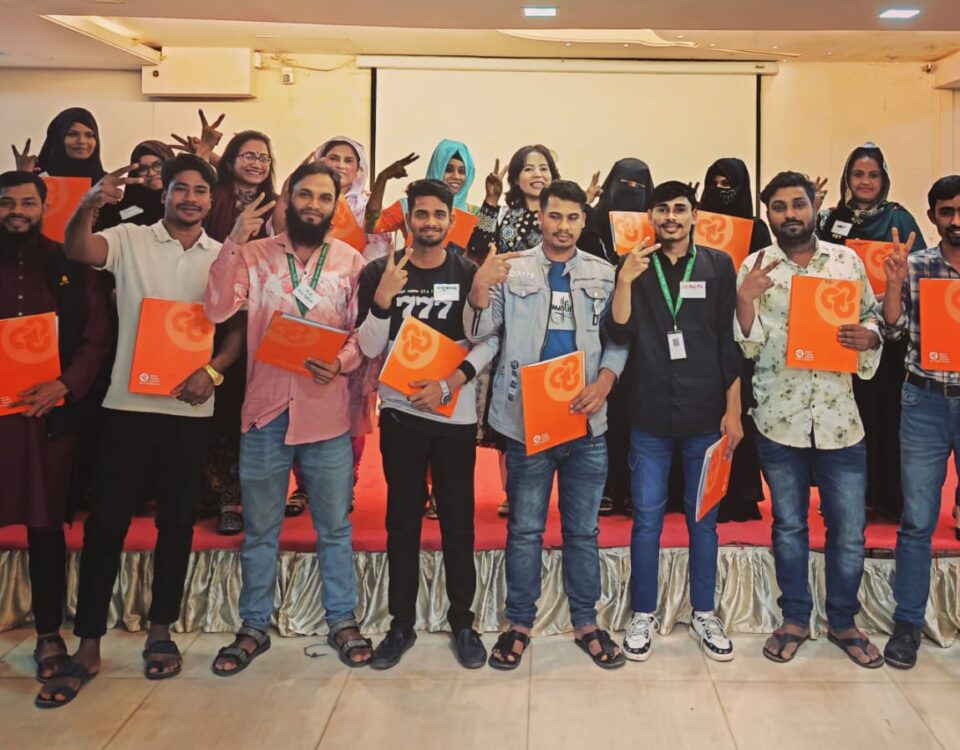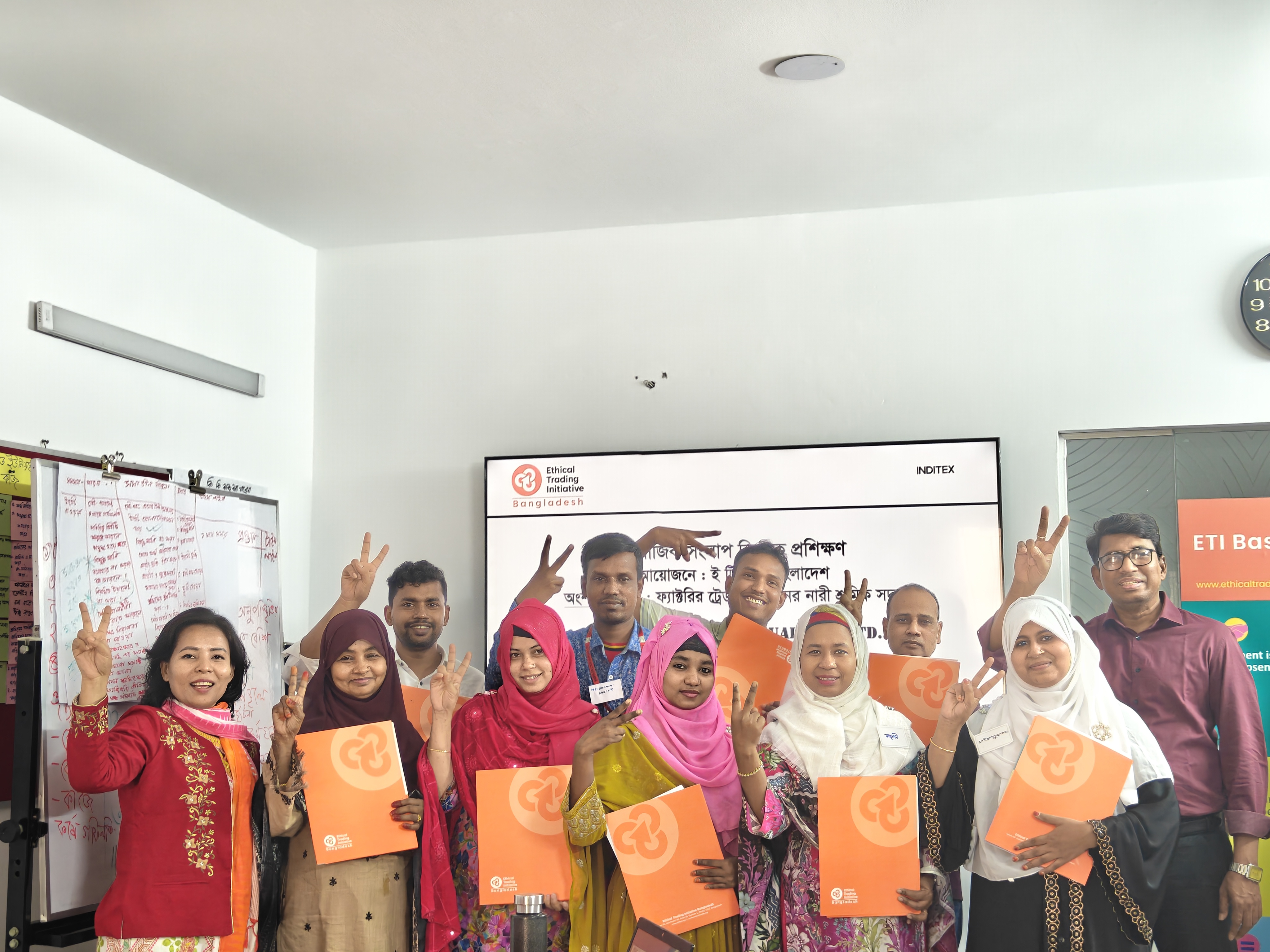
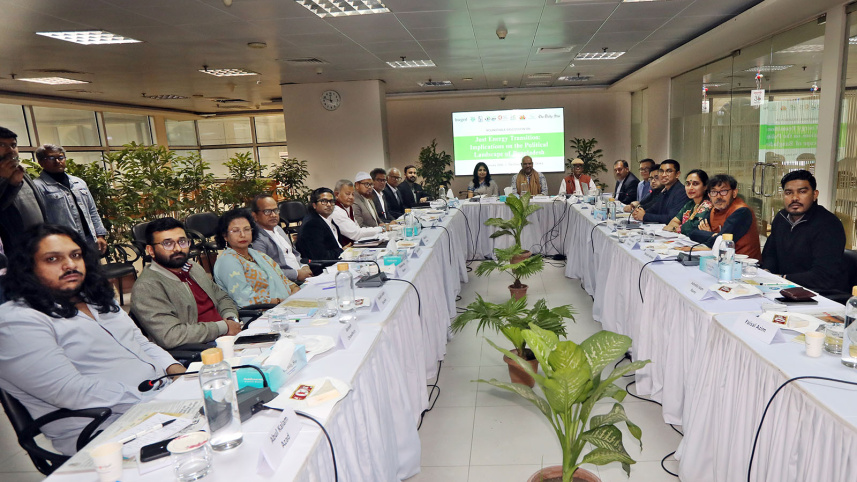
Political parties in Bangladesh must commit to good governance in the power and energy sector by including specific pledges in their election manifestos. This call came from a roundtable discussion held on 20 January 2026 at The Daily Star Centre in Dhaka.


The event, titled “Just Energy Transition: Implementation on the Political Landscape of Bangladesh”, was jointly organised by The Daily Star and Coastal Livelihood and Environment Action Network (CLEAN).
Participants identified two core priorities: transparency and accountability in all energy sector dealings, and guaranteed citizen participation in decision-making processes. These measures would address corruption and mismanagement that have persisted in the sector for the past 16 years, strengthen energy security, create jobs, reduce poverty, and advance climate justice.
The discussion highlighted several key issues. The upcoming elections offer a chance to ensure climate justice and good governance in the energy sector, with inclusion of women, labour, and indigenous communities. A comprehensive energy policy must reflect Bangladesh’s realities and communities rather than outdated models. Energy policymaking requires community and stakeholder participation supported by effective parliamentary oversight.
Public procurement in the electricity sector must follow transparency and fairness in line with international practices, the Public Procurement Rules, and the Public Procurement Act. All procurement decisions should be made public; citizen participation must be included in every project – which is currently absent – and responsible purchasing practices should be followed. Young people must take part in these processes. A just energy transition presents opportunities to generate employment and reduce poverty.
Corruption continues despite technical expertise. Energy security has become more critical than food security and requires urgent political action. Thousands of crores of taka have been looted from the power sector, with foreign companies repeatedly favoured over public interest. Energy resources must serve public benefit. The country remains tied to old, costly projects that deliver little output. The sector must prioritise ordinary citizens and deliver fairness, transparency, and sustainability. A just transition must protect both people and the environment. The government must show zero tolerance for corruption to achieve fair distribution of energy and resources.
The current system creates heavy financial and environmental burdens. Billions of dollars are paid in capacity charges while the Bangladesh Power Development Board incurs ongoing losses. Political parties should adopt realistic, time-bound, and implementable energy plans.
Munir Uddin Shamim, director at Ethical Trading Initiative Bangladesh, called for transparency and fairness in public procurement. He stated that a just energy transition could create jobs and reduce poverty, and urged political parties to reflect these opportunities in their pledges.
Manower Mostafa, networking adviser at CLEAN, pointed to corruption and mismanagement over the last 16 years and called for clear plans for energy security in election manifestos.
The discussion was moderated by Tanjim Ferdous, in-charge of NGOs and foreign missions at The Daily Star. Other organisations represented included BWGED, Lawyers for Energy, Environment, and Development, ActionAid Bangladesh, BNP Advisory Committee, Communist Party of Bangladesh, Socialist Party of Bangladesh, National Citizen Party, Network for People’s Action, Islami Andolan Bangladesh, BILS, Manusher Jonno Foundation, Reglobal, BELA, Tara Climate Foundation Bangladesh, and the Global Strategy Communication Council.