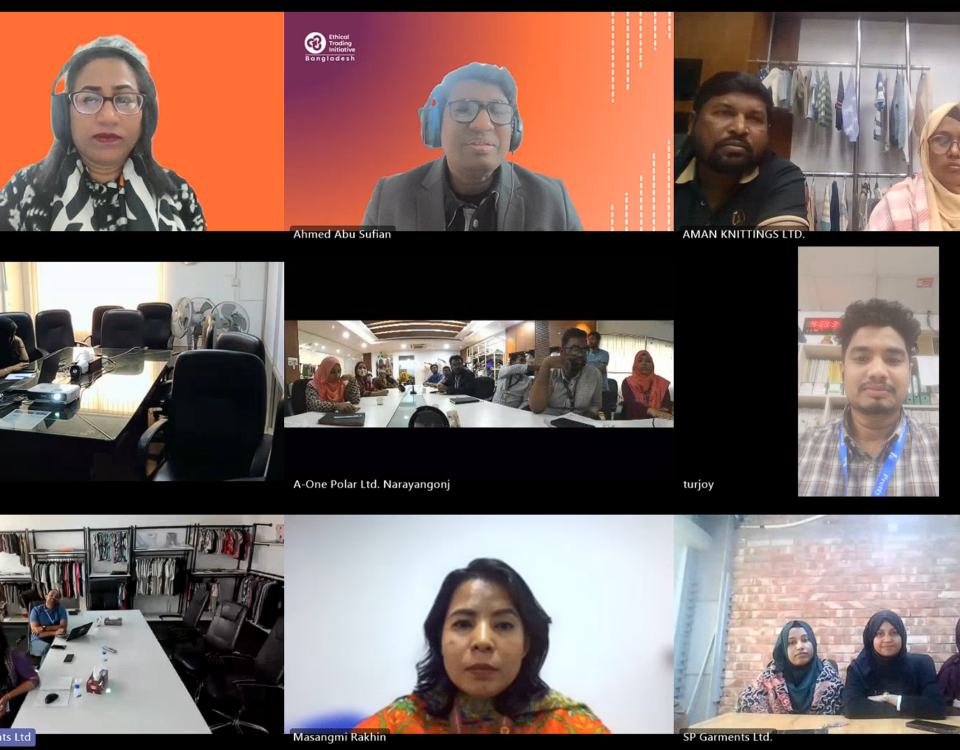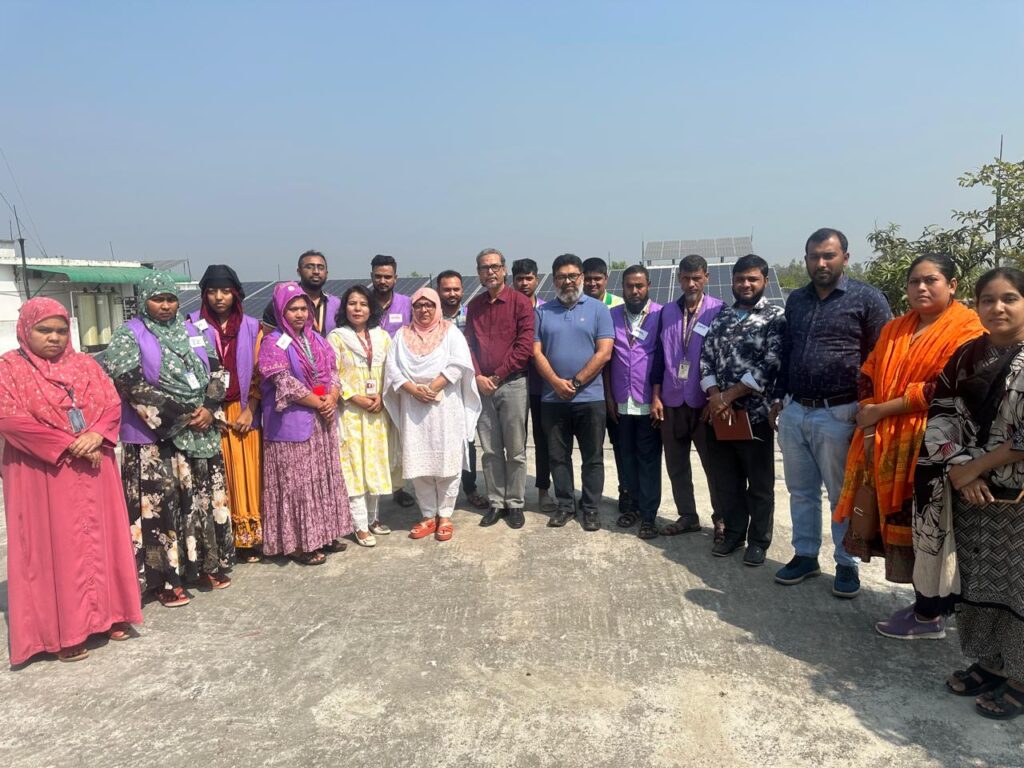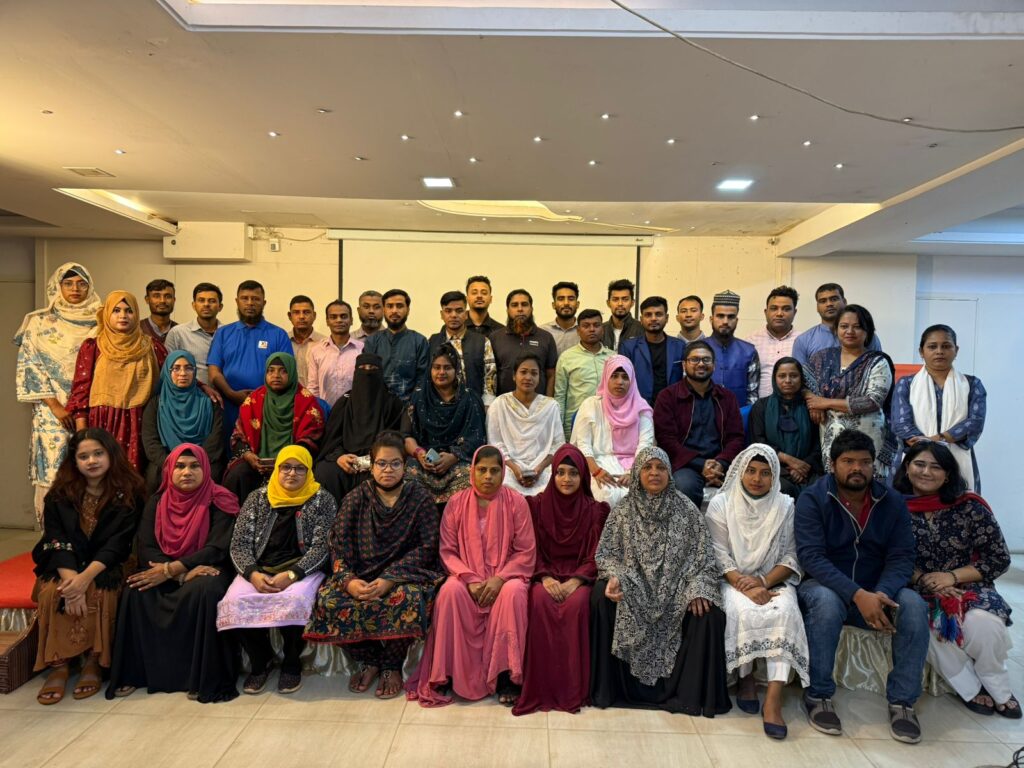

The Worker-led Climate Action Network (Worker CAN) Executive Committee took part in a four-day residential training on climate advocacy from 30 January to 3 February 2026, organised by ETI Bangladesh.


The training convened 25 youth and women federation trade union leaders. It followed a Training Needs Assessment conducted with Worker CAN members in November 2025, which identified the need to strengthen advocacy skills on climate and energy transition issues.
Across four days, participants examined climate change, renewable energy transition and just transition in relation to workers’ rights and the wider trade union movement in Bangladesh. Sessions covered advocacy concepts and processes, the distinction between advocacy and lobbying, the role of trade unions within civil society, and leadership approaches for engagement in policy spaces.
Participants developed and presented advocacy campaign simulations. One group referenced the Energy and Power Sector Master Plan (EPSMP) in a mock public mobilisation, preparing festoons, banners and a press release. Another group conducted a multi-stakeholder dialogue exercise, assuming roles across government, factory owners, brands, business associations, workers and civil society. The exercise enabled participants to assess stakeholder priorities, test advocacy strategies and position workers’ demands within broader transition debates.
The training introduced practical tools, including stakeholder and audience mapping, message development, theory of change, campaign planning and monitoring. These exercises supported structured and evidence-based advocacy within Worker CAN.
Worker CAN operates as an independent platform to advance workers’ voices in addressing climate change impacts and safeguarding workers’ rights during industrial decarbonisation in Bangladesh.
The training and action plan development workshop formed part of ETI Bangladesh’s initiative, “Promoting Just Transition & Environmental Sustainability in Bangladesh’s RMG Sector.” The initiative seeks to build the capacity of youth and women worker leaders to engage in dialogue and contribute to industrial decarbonisation and renewable energy transition in the RMG sector.