Industry stakeholders call for stronger policy implementation, accessible green finance, shared supply-chain responsibility and worker participation to advance decarbonisation.
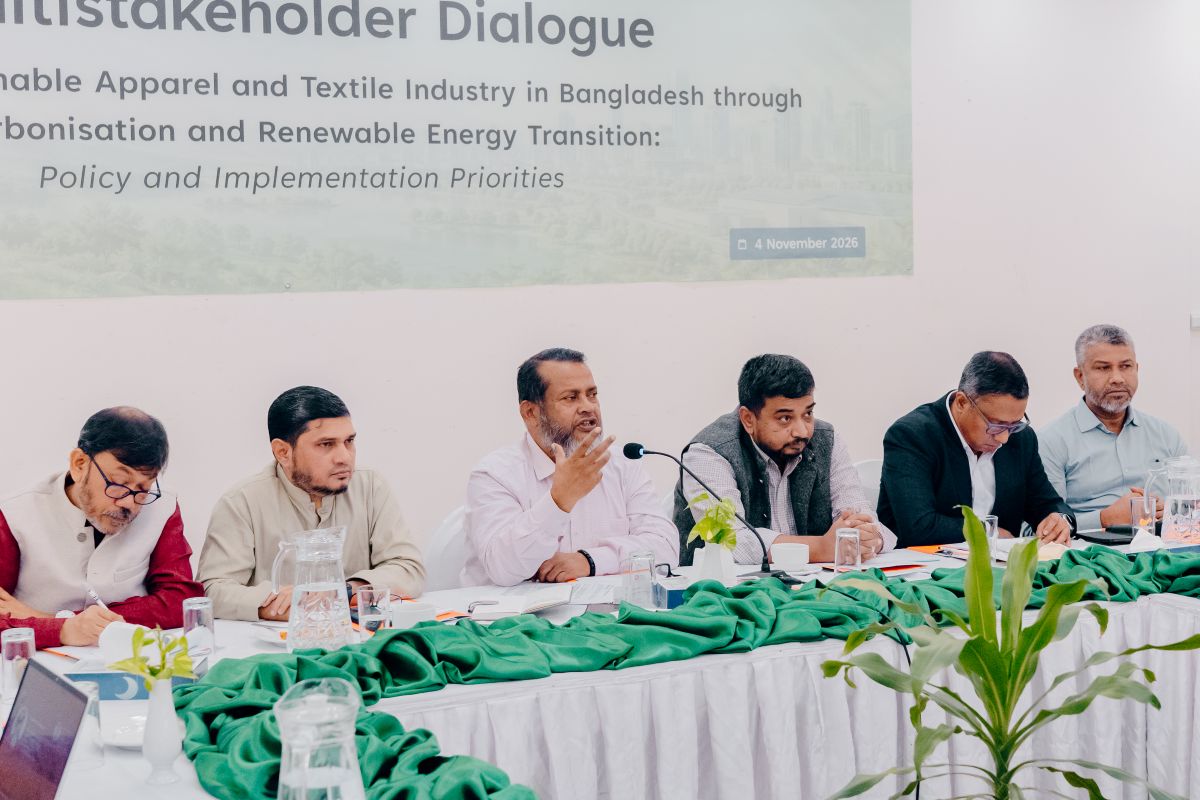
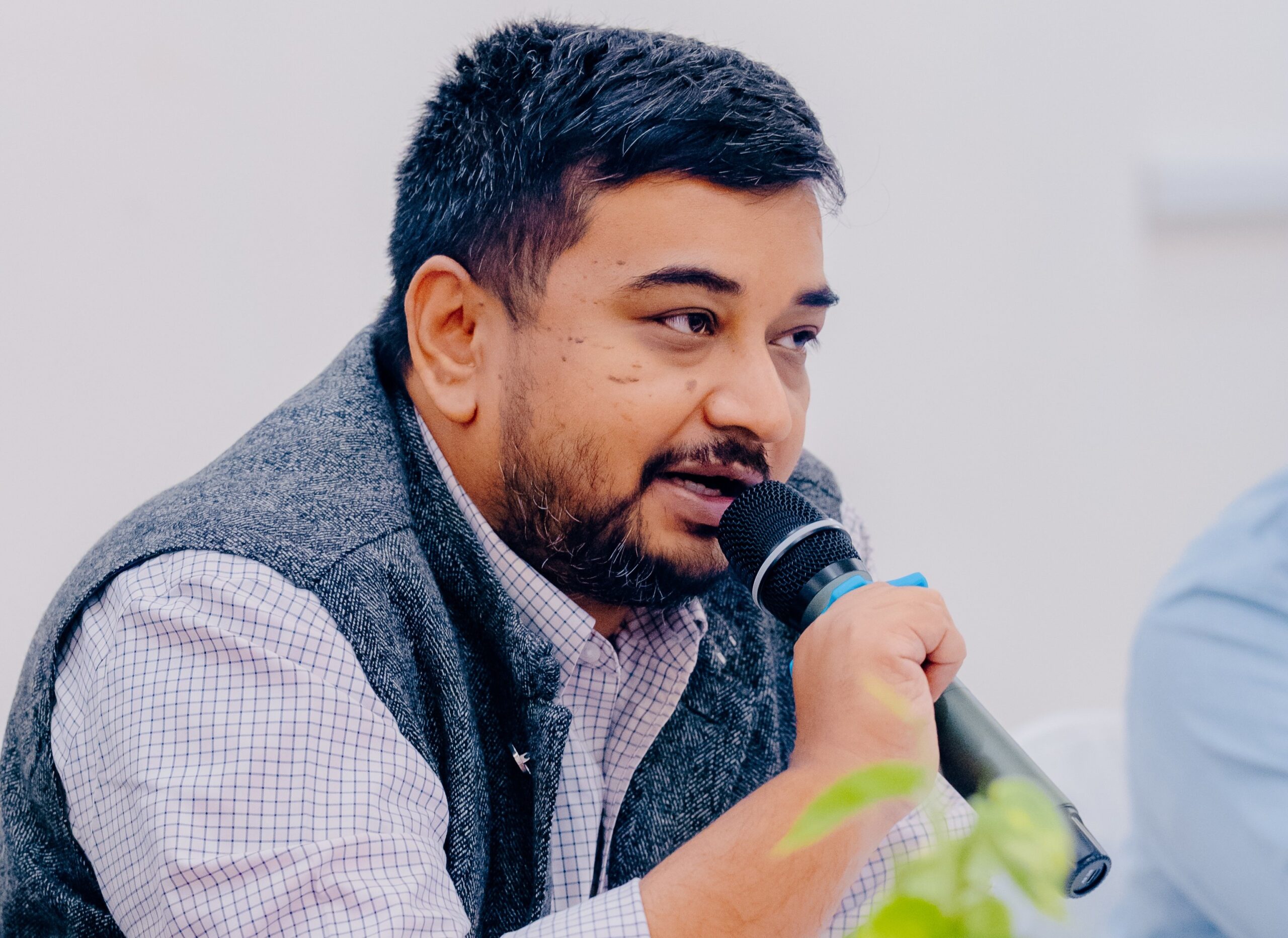
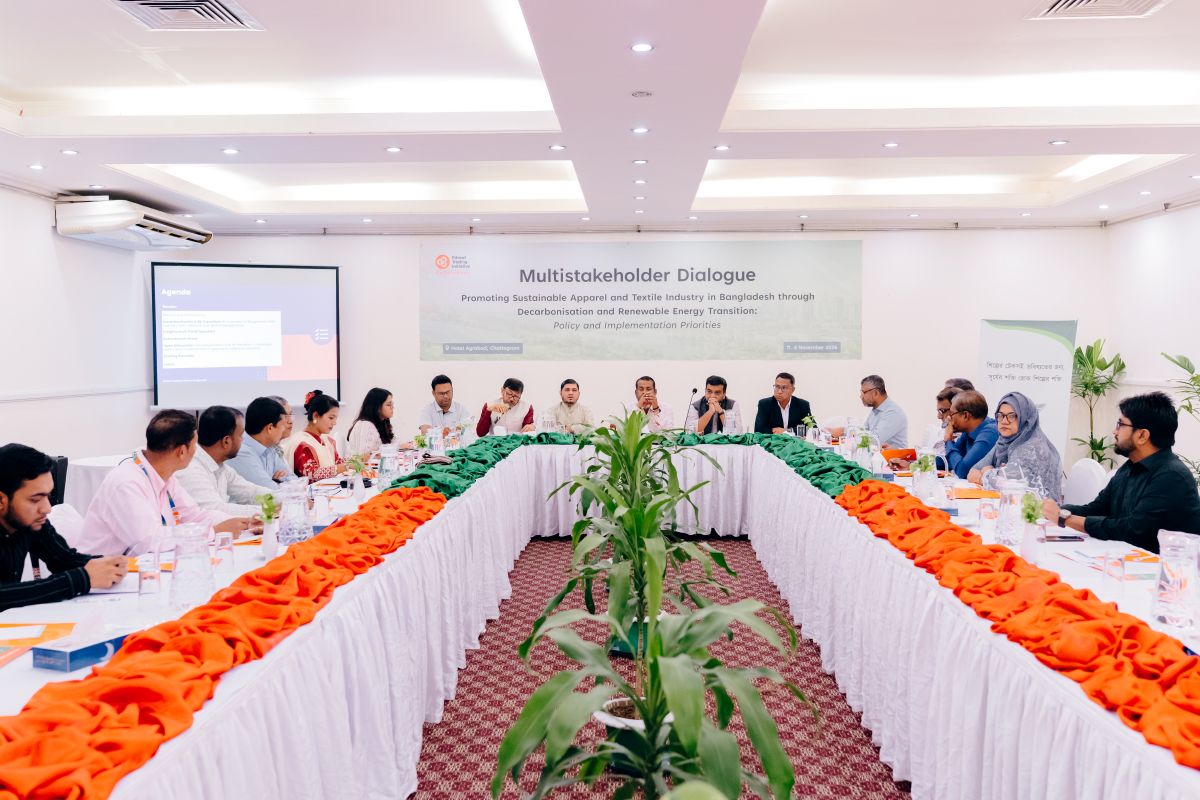
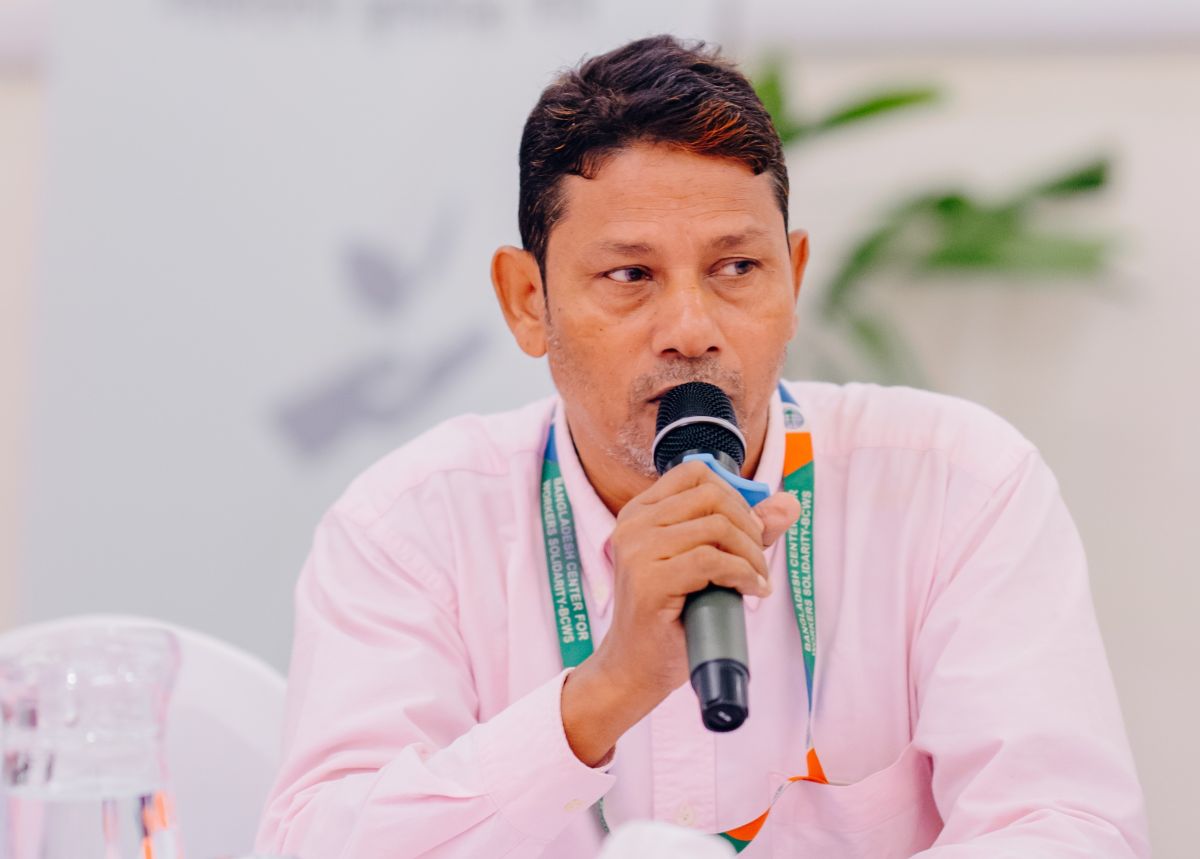
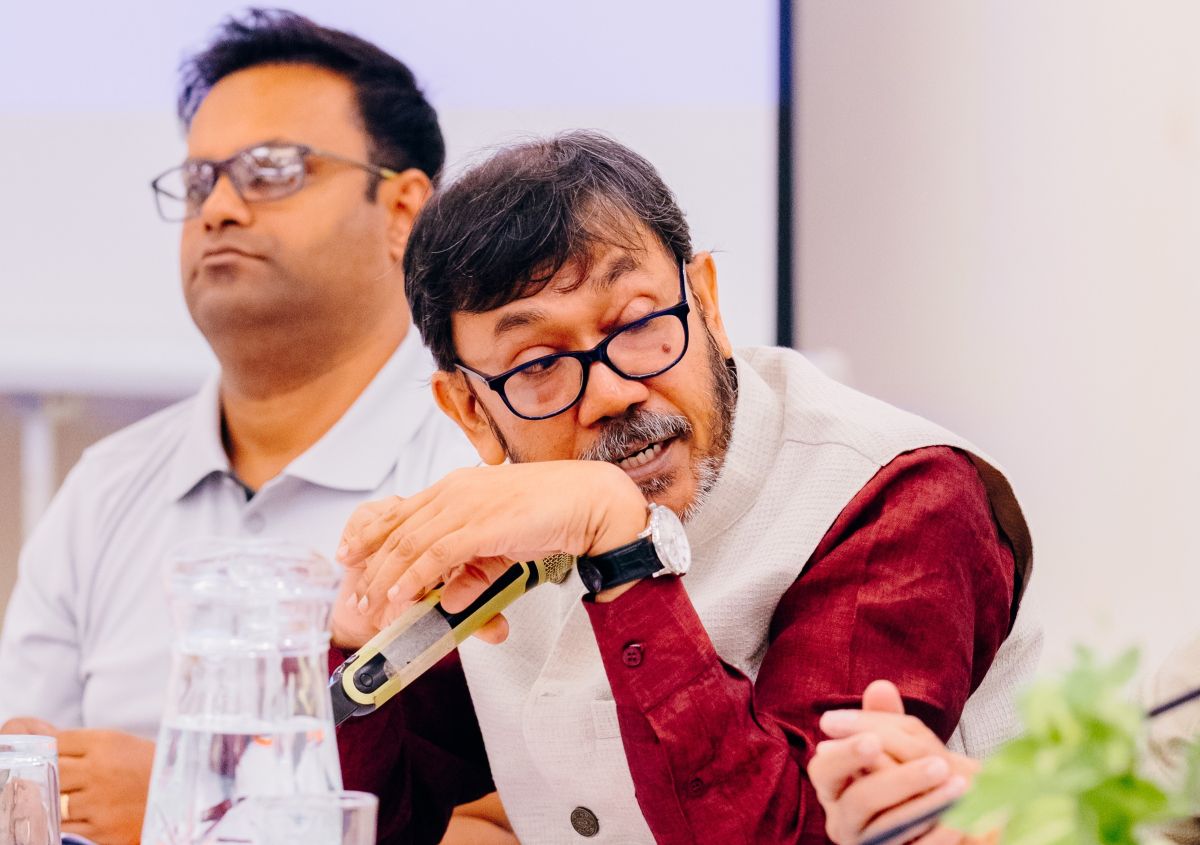
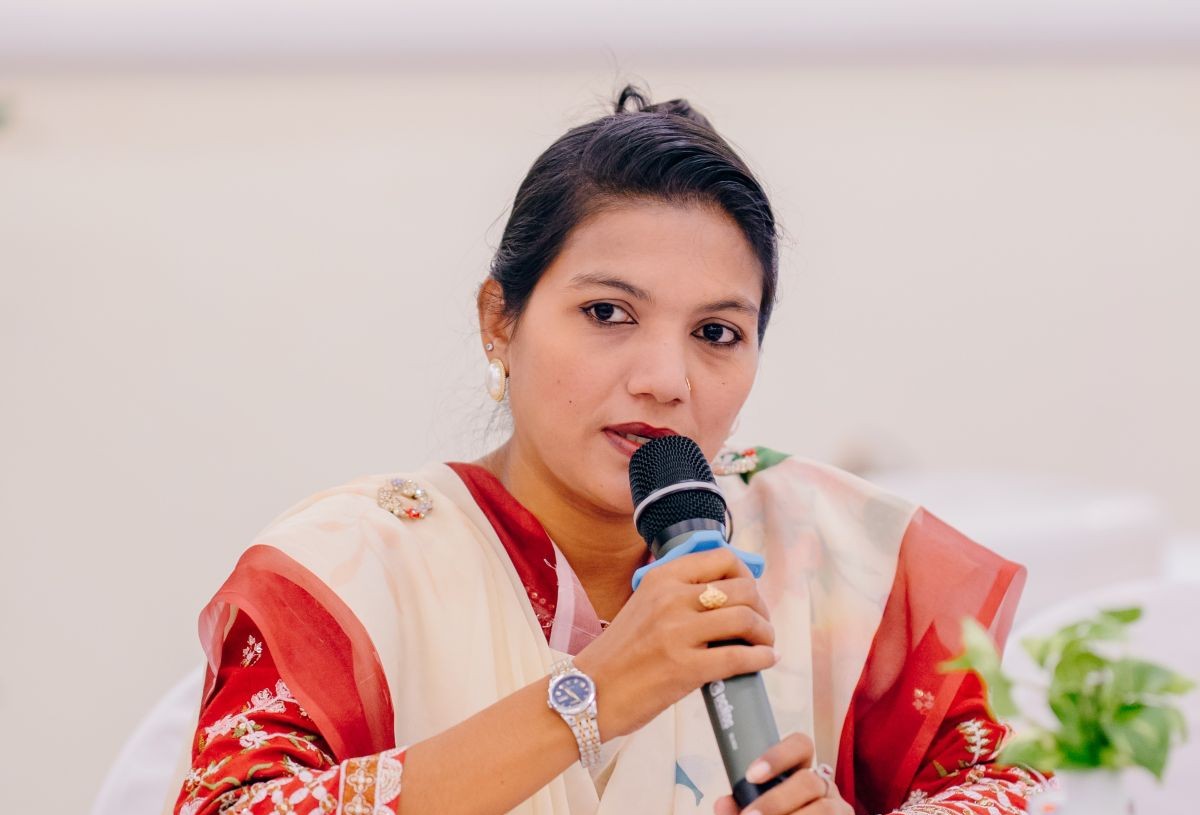
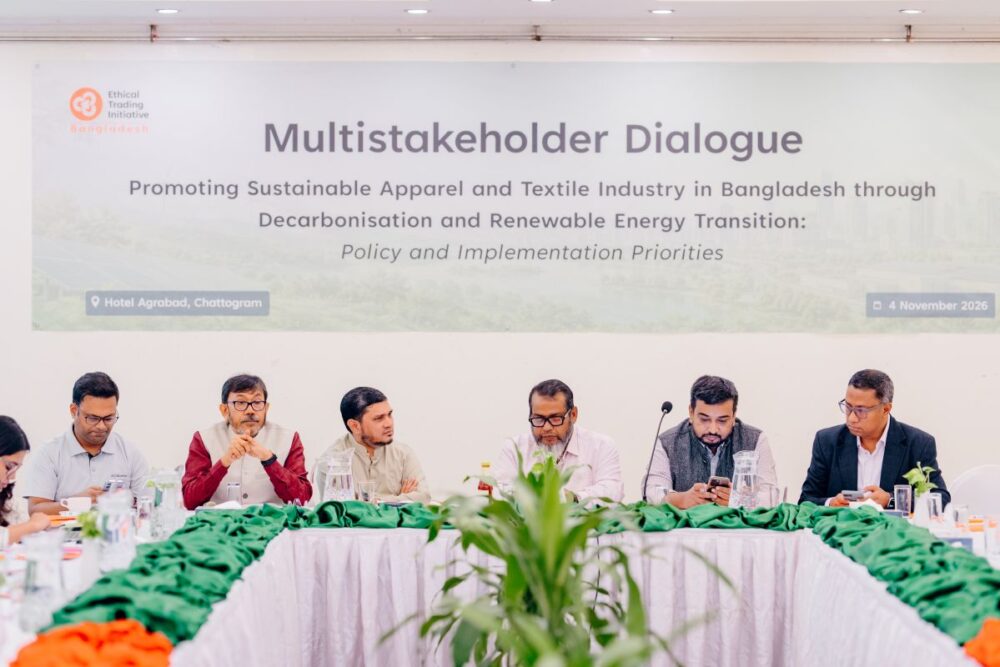
Bangladesh’s garment and textile industry needs stronger policy implementation, accessible green financing and shared responsibility across the supply chain to translate decarbonisation commitments into practical progress, industry leaders stressed at a multistakeholder dialogue in Chattogram on 4 November 2026.
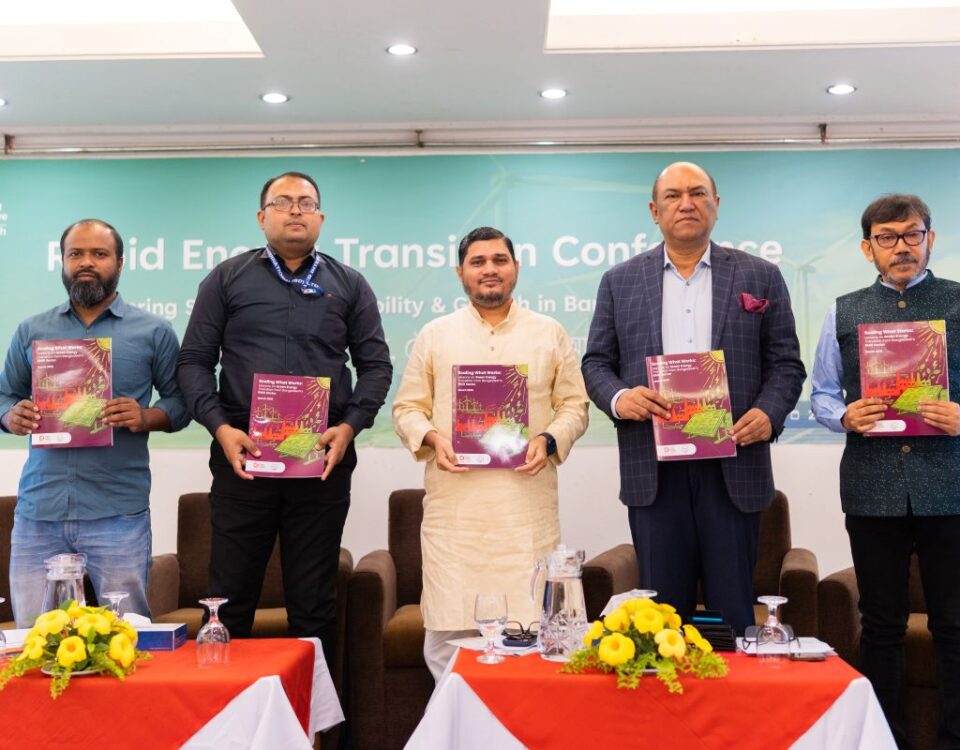
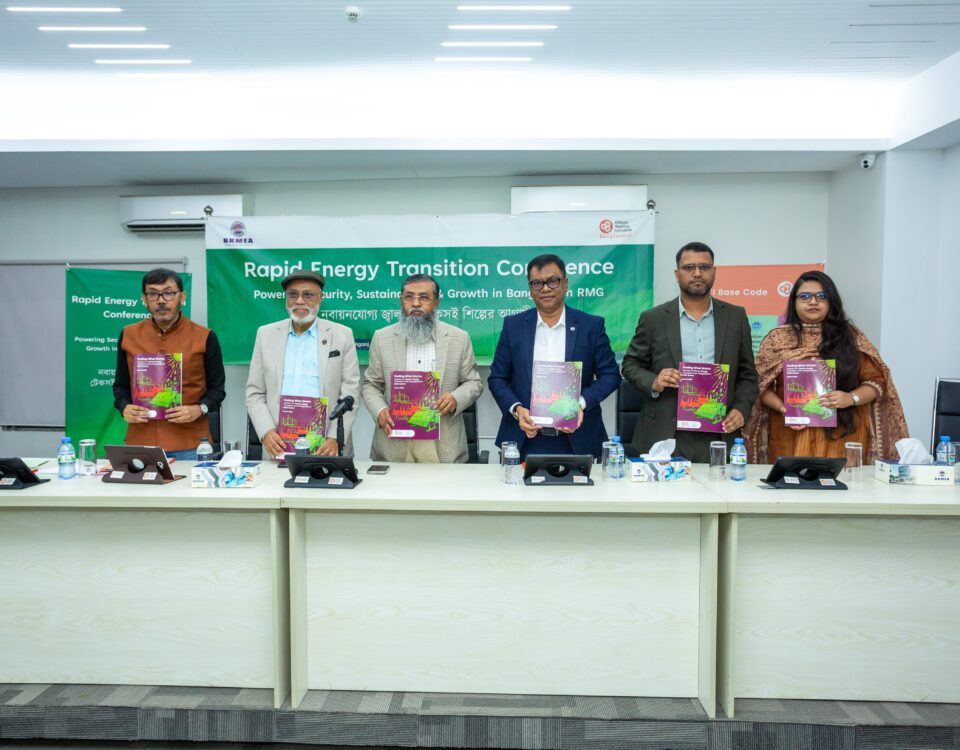
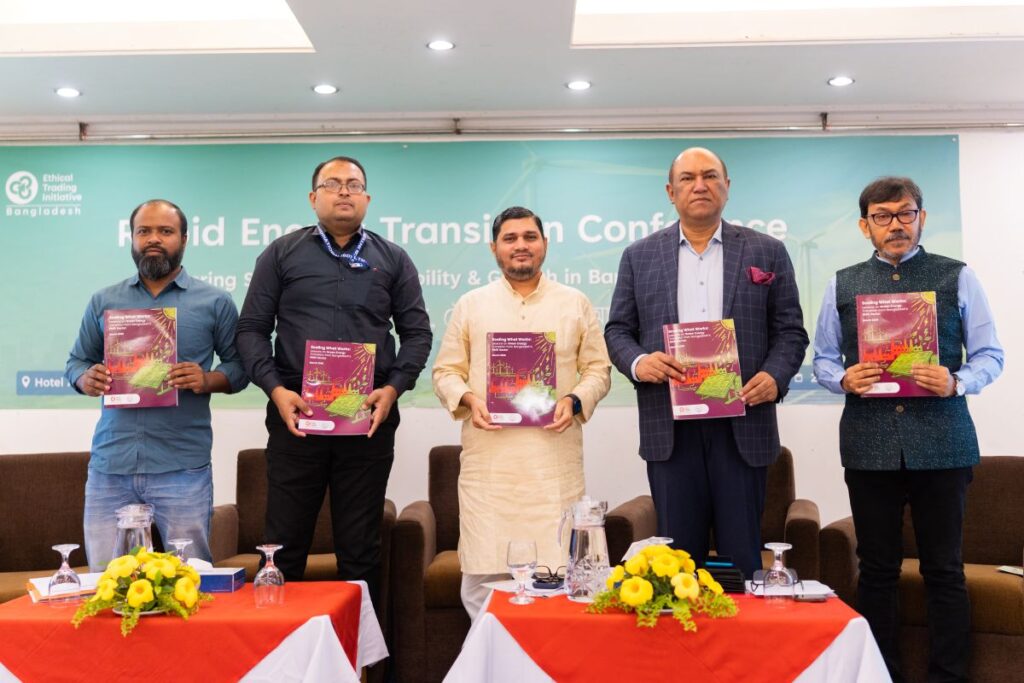
The dialogue, titled ‘Promoting Sustainable Apparel and Textile Industry in Bangladesh through Decarbonisation and Renewable Energy Transition: Policy and Implementation Priorities’, was organised by Ethical Trading Initiative (ETI) Bangladesh at Hotel Agrabad, Chattogram. It brought together 40 representatives from industry associations, manufacturers, trade union federations, brands, financial institutions, NGOs and civil society organisations to discuss the challenges and opportunities of accelerating renewable energy adoption in the region's garment and textile industry.
Participants highlighted that setting renewable energy targets alone would not ensure implementation. Factories need clear approval procedures, suitable financing, technical support and predictable business relationships to undertake investments while managing rising production costs and uncertainty over energy supply. They also stressed the importance of addressing Chattogram's specific industrial realities, particularly the infrastructure constraints faced by factories operating in shared or commercial buildings.
Md. M. Mohiuddin Chowdhury, Director of BGMEA and CEO and Director of Clifton Group, highlighted unreliable electricity supply and voltage fluctuations as continuing challenges for manufacturers, affecting machinery, production and business competitiveness. He called for improvements in national grid, energy-sector governance and transparency to build a reliable energy system. He also stressed that government support for renewable energy must consider the circumstances of factories operating in shared buildings and with limited infrastructure.
Md. Yasin, Director of BKMEA and Managing Director of Sonnet Group of Companies Ltd., emphasised the need for supportive policies, simpler net-metering procedures, tax facilities for solar equipment and affordable financing for renewable energy and energy-efficient technologies. He also called for greater awareness among Chattogram-based manufacturers about the benefits of renewable energy and stronger engagement with relevant government institutions and Bangladesh Bank to address implementation barriers.
Addressing the financial responsibilities of decarbonisation, Md. Ismail Murad, Corporate Responsibility Manager at Columbia Sportswear Company, stressed that manufacturers operating on tight margins cannot be expected to bear the entire cost of meeting supply-chain decarbonisation targets. He highlighted the role of brands in supporting factories through fair pricing, long-term sourcing commitments, predictable orders and shared financial arrangements. He also emphasised the importance of simpler net-metering and grid approvals in CEPZ and KEPZ, accessible green loans, commercial incentives from brands and inclusive policies to protect and upskill women workers.
Robiul Hoque Shimul, Organising Secretary of Bangladesh Labour Federation, highlighted the importance of stronger dialogue between employers and worker representatives throughout the transition. He stressed that employment protection, fair wages and safe working conditions must remain central to the process, ensuring that the shift towards greener production also improves workers' lives. Other worker representatives called for social protection, trade union rights and equitable access to upskilling and reskilling opportunities as automation and technological changes reshape the industry.
Saiful A. Chowdhury, Area Head for Chattogram, Corporate, Commercial and Institutional Banking Division at BRAC Bank PLC, outlined the bank's green financing options under Bangladesh Bank's refinancing schemes. He encouraged manufacturers to explore these facilities and invest in renewable energy and energy efficiency, highlighting the need for greater awareness of available financing opportunities. Participants also stressed the importance of stronger connections between manufacturers, financial institutions and technology providers to help factories move from investment interest to implementation.
Civil society representatives broadened the discussion to include energy affordability, accountability, water security and environmental protection. They also discussed alternative renewable energy arrangements, including offsite generation and collective procurement, for factories with limited rooftop space.
In her keynote presentation, Jannatul Ferdaus, Research Officer at ETI Bangladesh, outlined the national, sectoral and global context for renewable energy transition and decarbonisation in the garment and textile industry. She emphasised that there is no alternative to renewable energy and highlighted the need for long-term planning and collective action to make the transition possible.
Abil Bin Amin, Executive Director of ETI Bangladesh, in his closing remarks, he stressed that investment in energy efficiency and renewable energy must advance together, supported by policies and commercial arrangements suited to different factory conditions. He also emphasised the need for continued dialogue to take practical implementation barriers to relevant decision-makers.
The dialogue identified several priorities for advancing the transition, including simplifying solar installation, net-metering and grid-connection procedures; expanding access to affordable green finance, particularly for smaller and less-resourced factories; and encouraging brands to support investments through fair pricing, predictable orders and longer-term sourcing relationships. Participants also called for workers and trade unions to be included in transition planning, with safeguards for employment, incomes and workplace safety, alongside equitable access to skills development, particularly for women.
The dialogue was held as a part of ETI Bangladesh’s initiative, “Promoting Just Transition & Environmental Sustainability in Bangladesh’s RMG Sector."