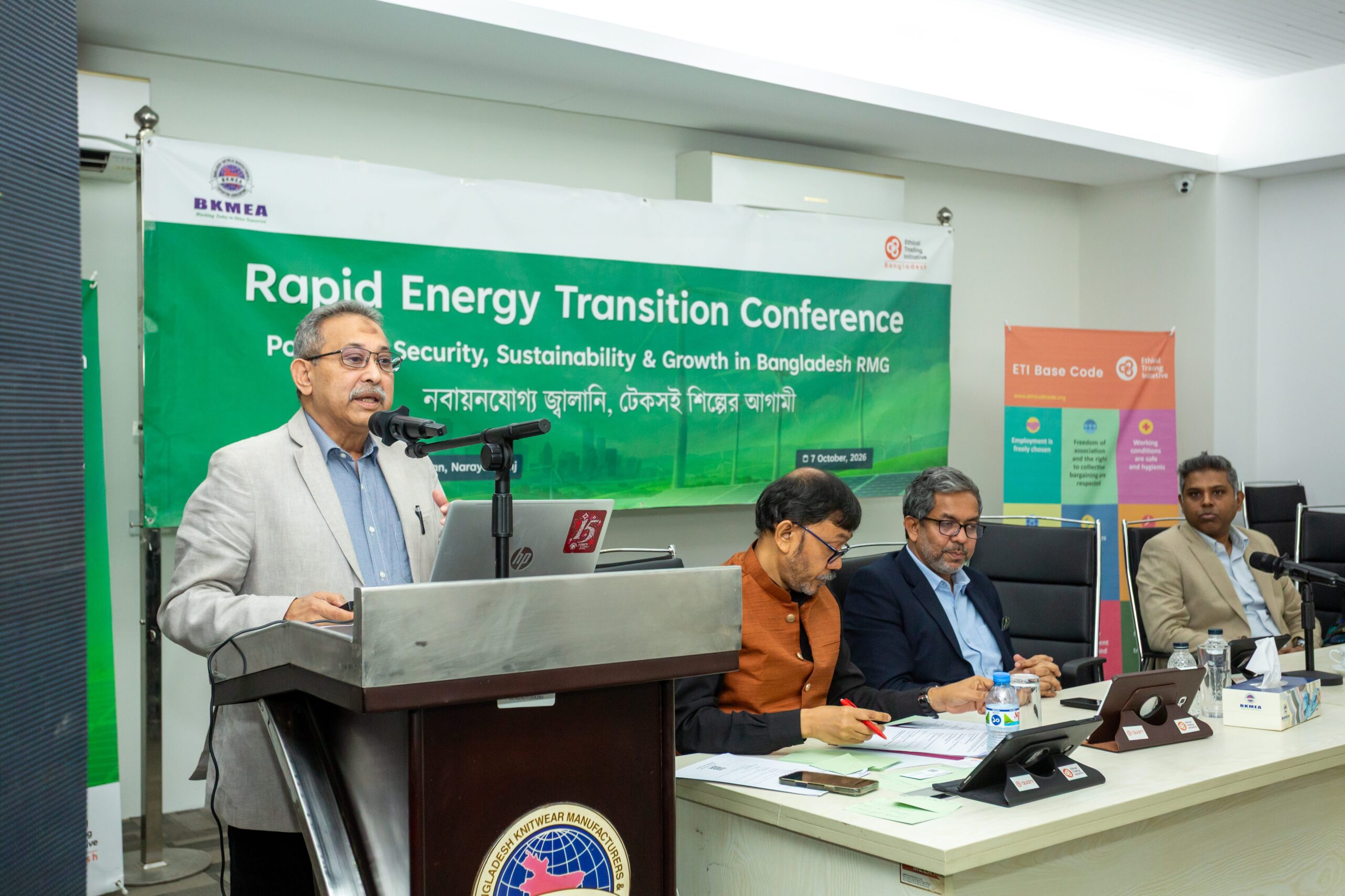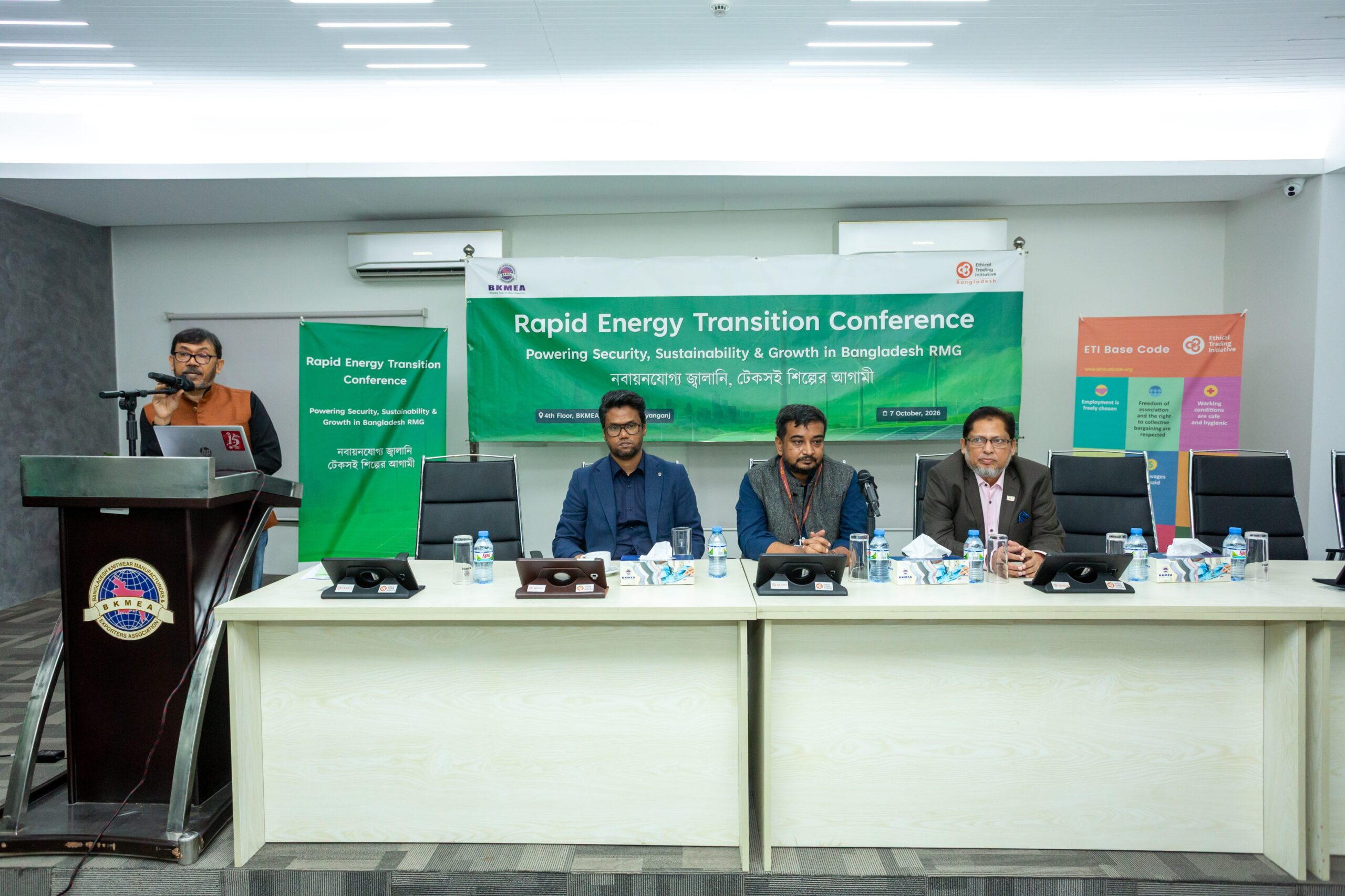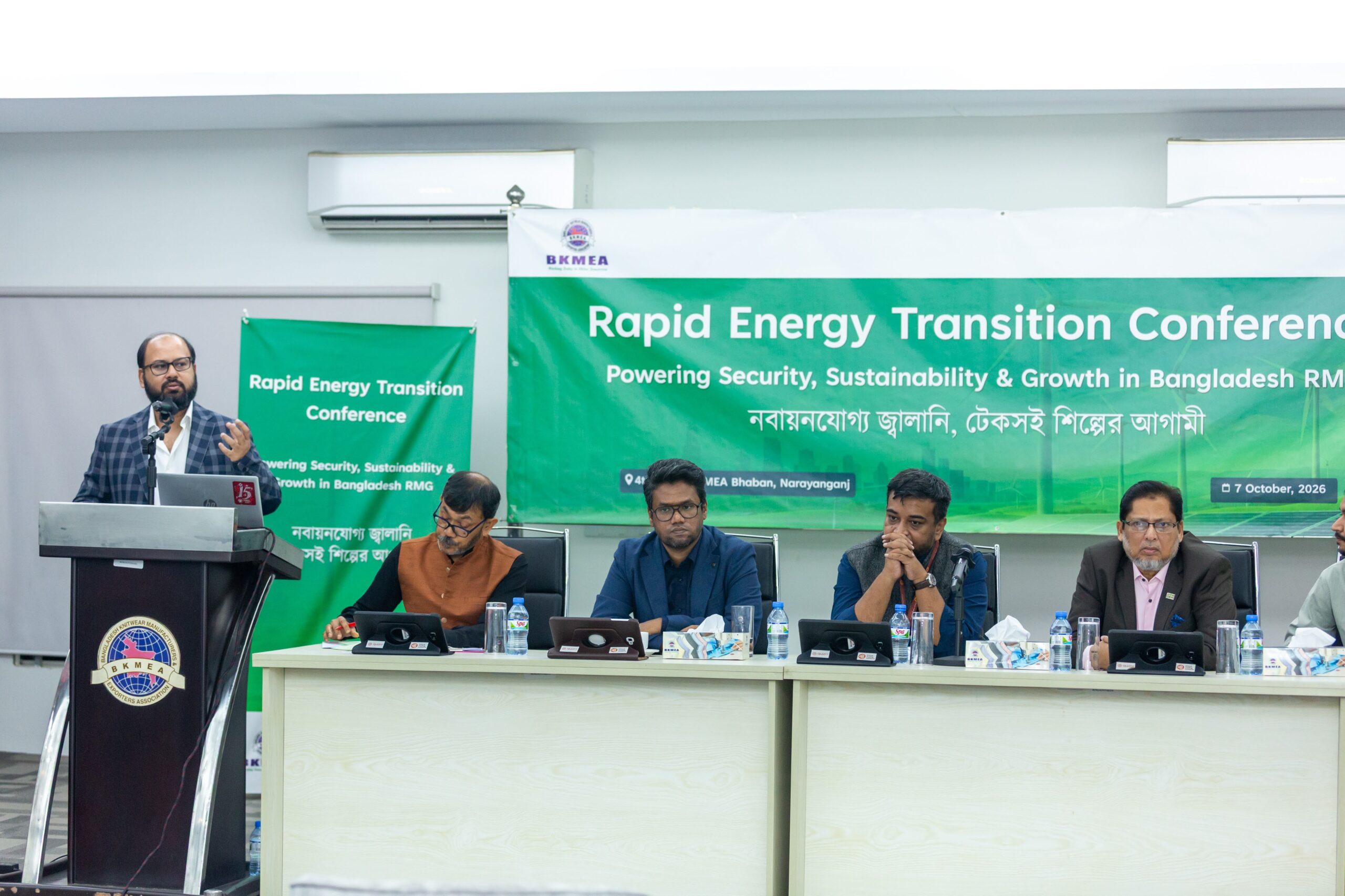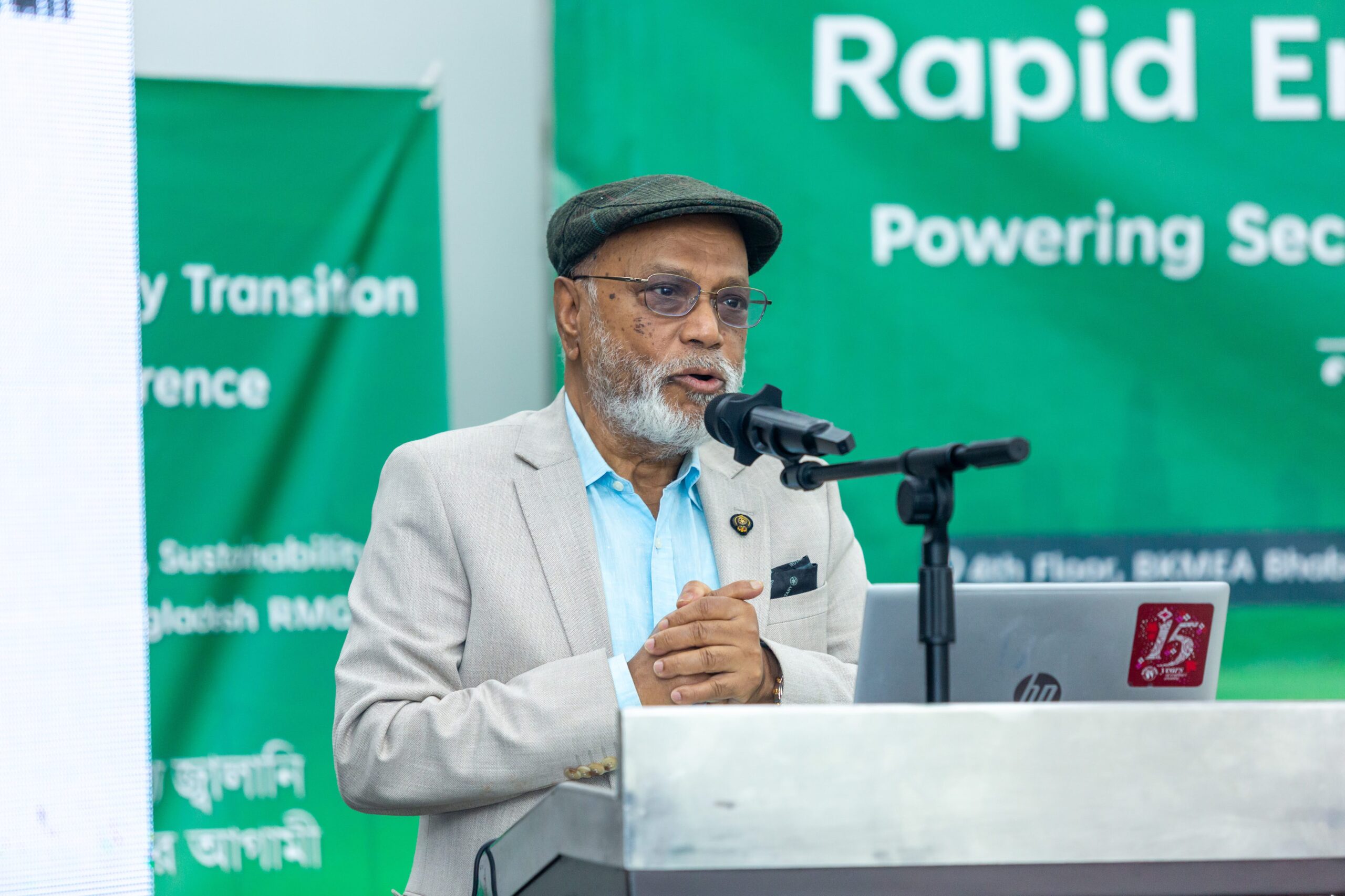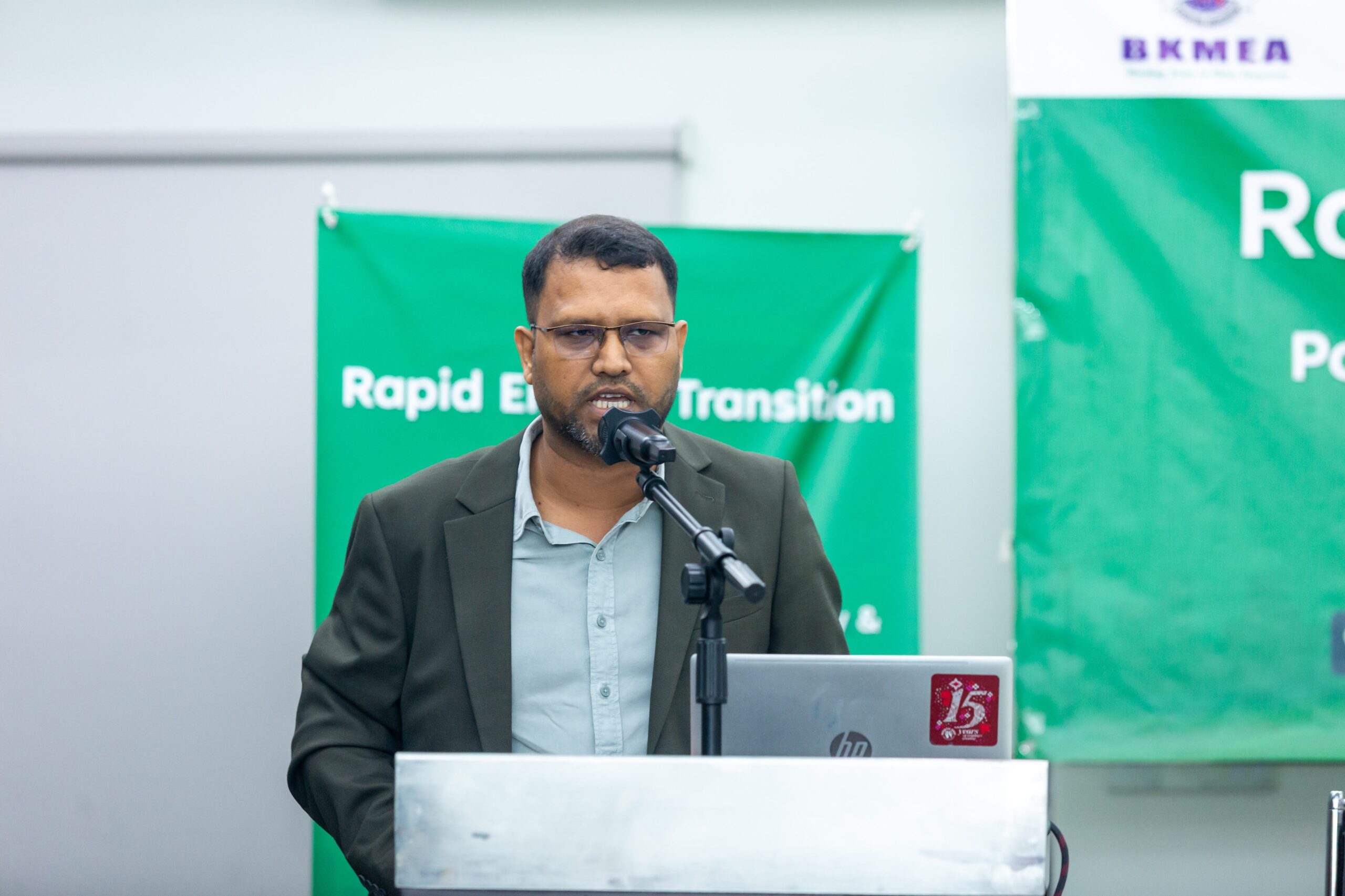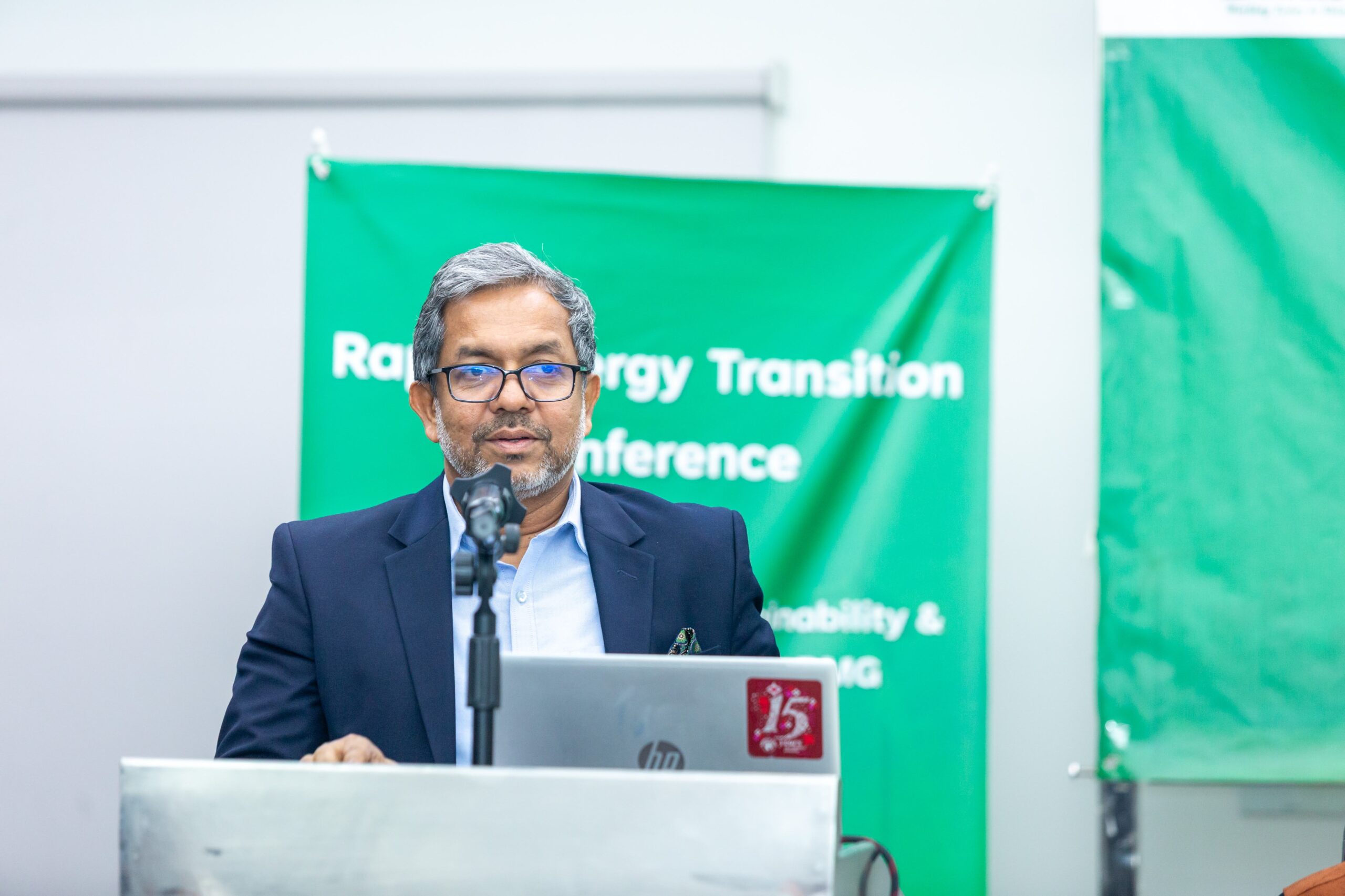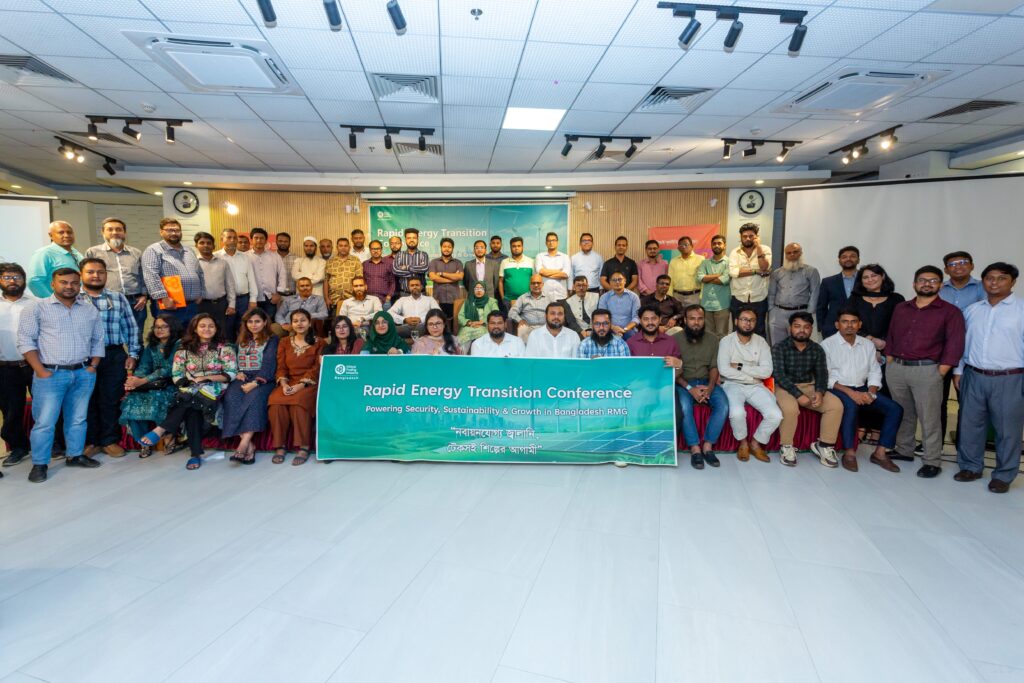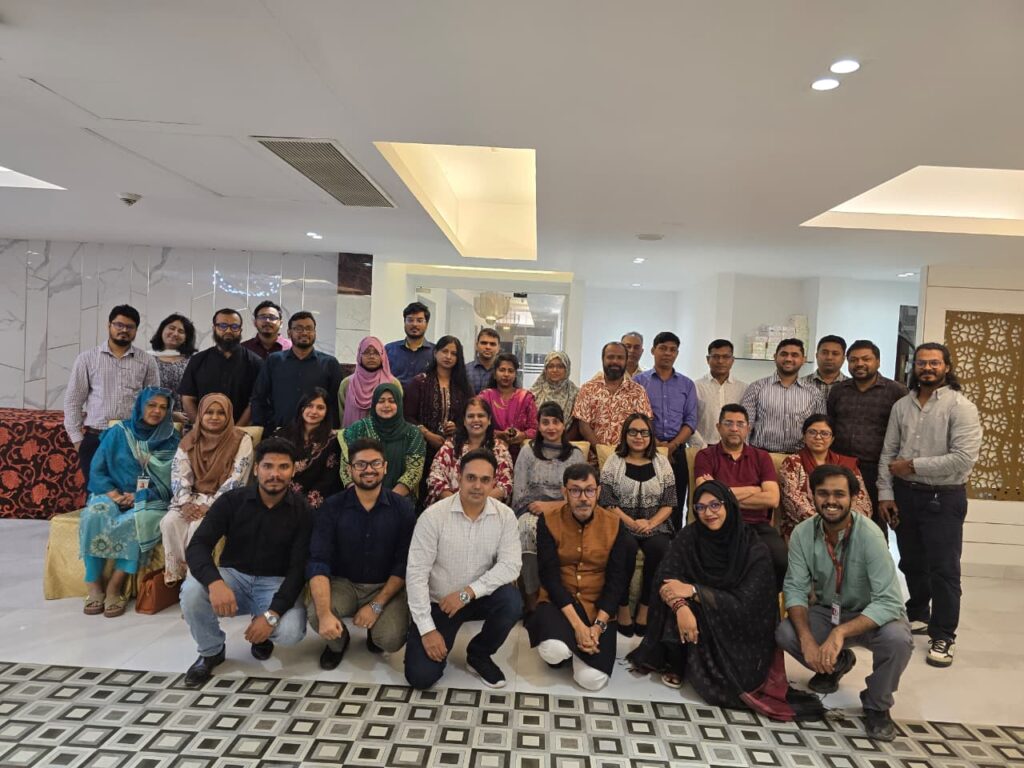
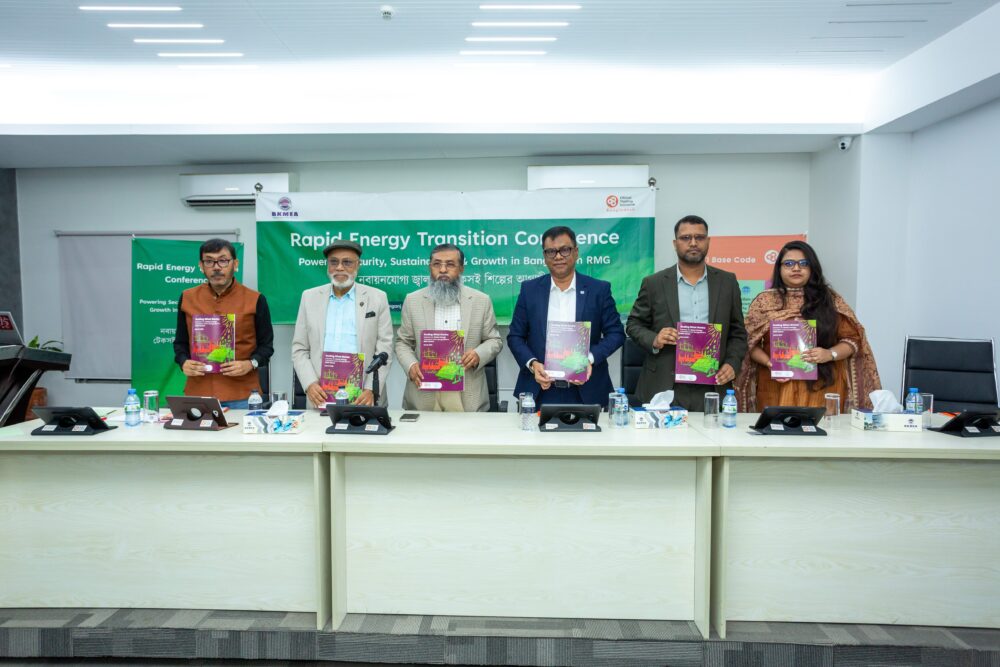
Bangladesh’s garment and textile industry needs to accelerate renewable energy adoption and decarbonisation to protect export markets and sustain business viability, speakers said at a conference in Dhaka on 7 October 2026.
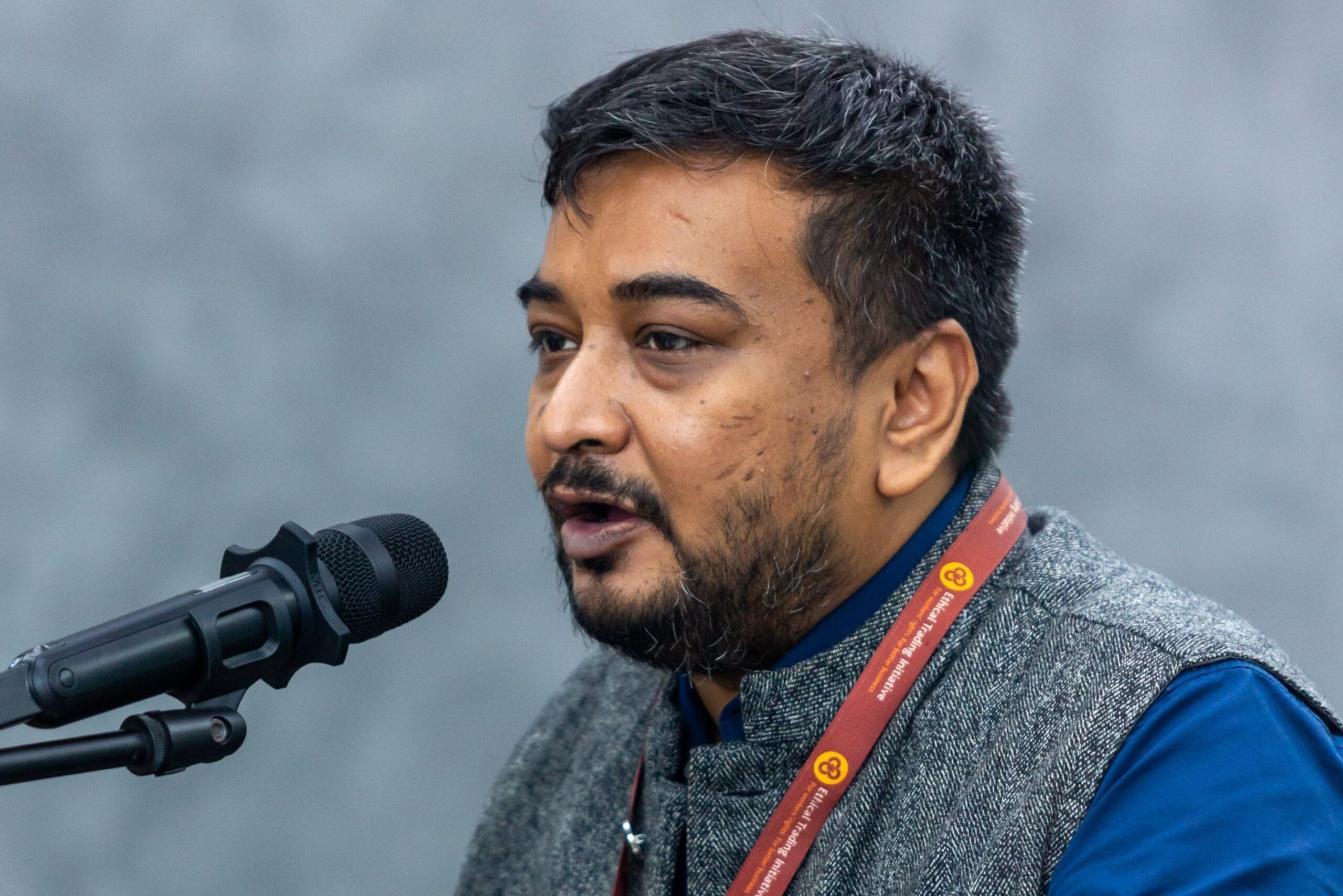
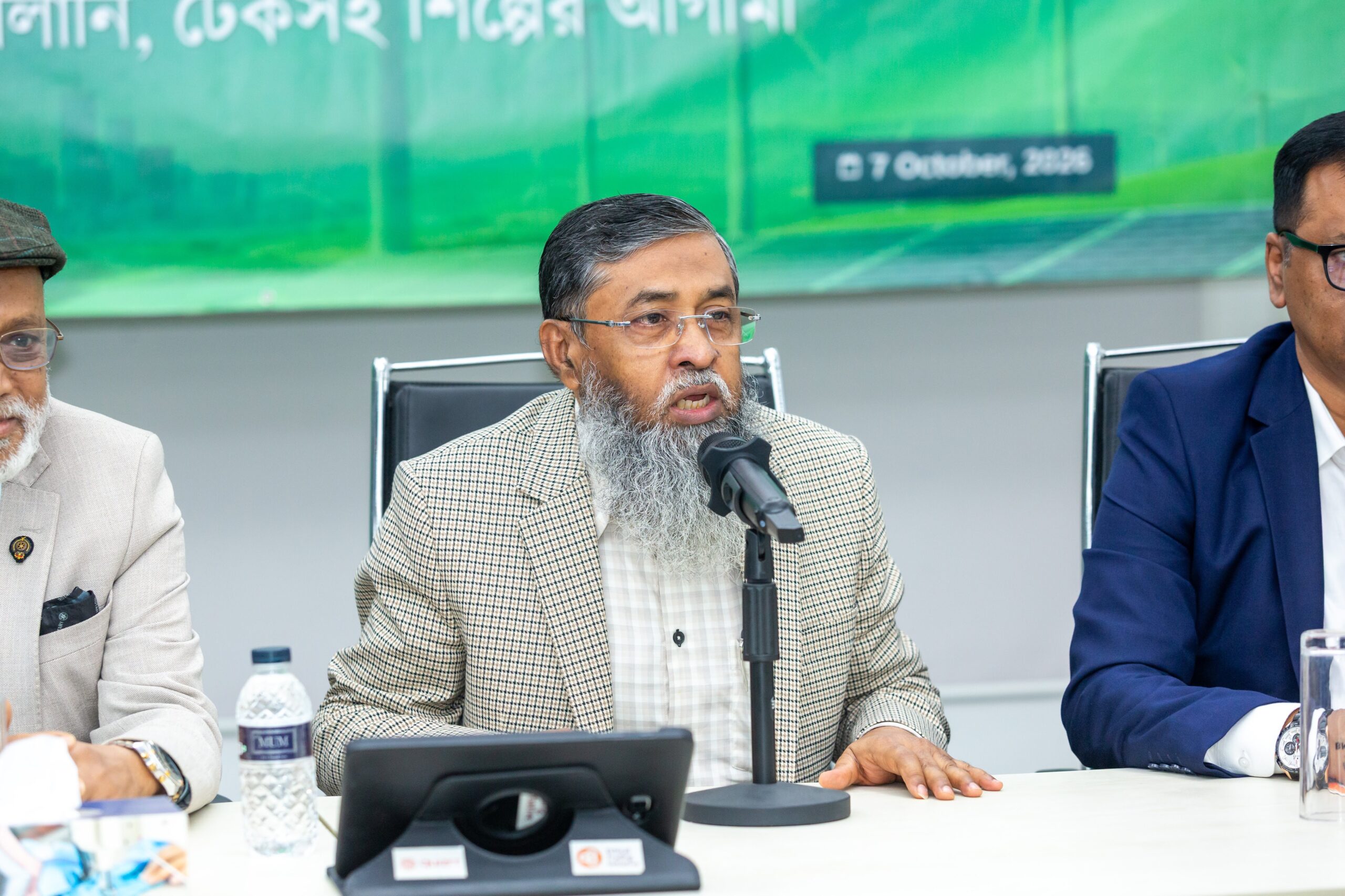
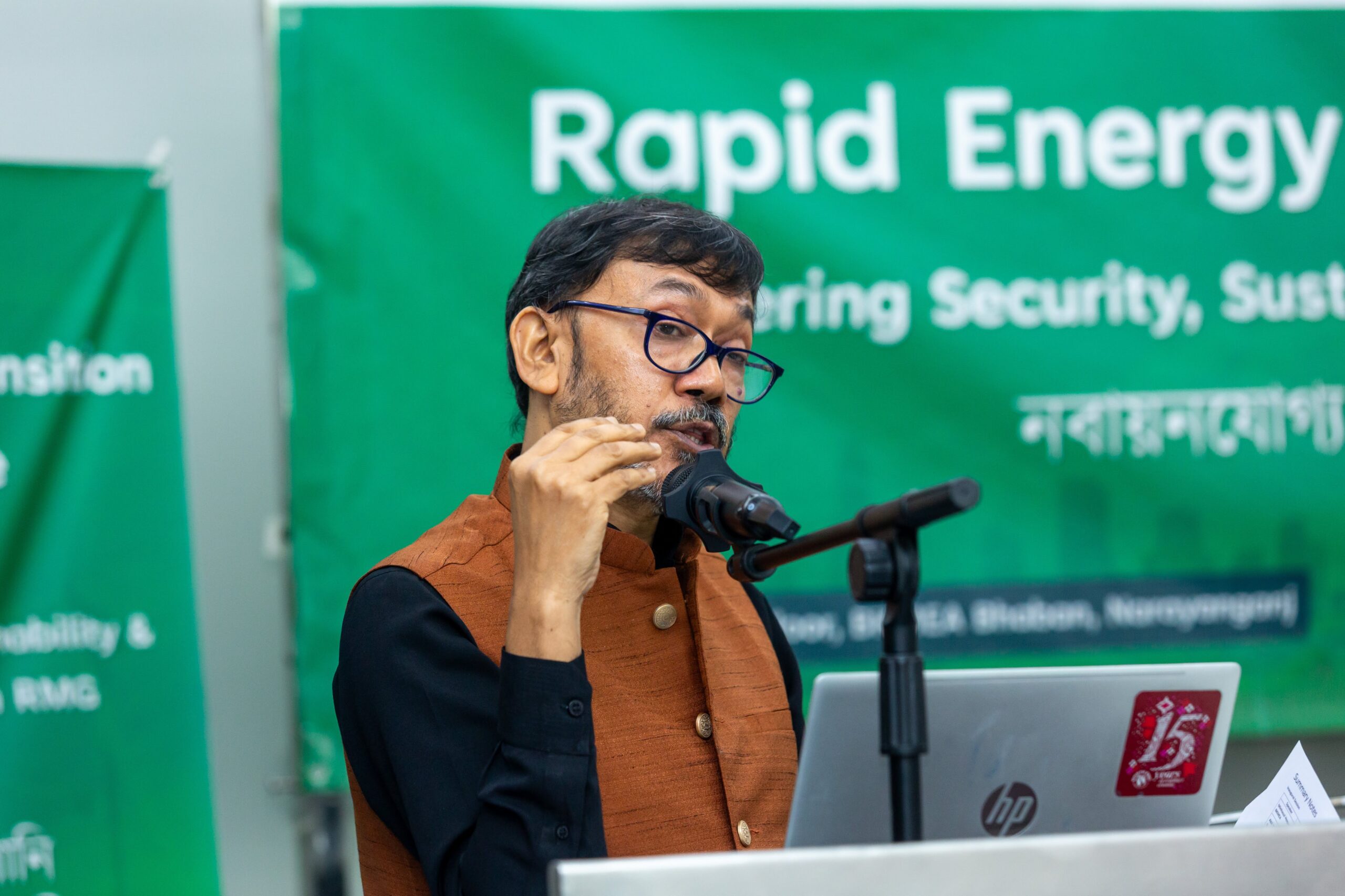
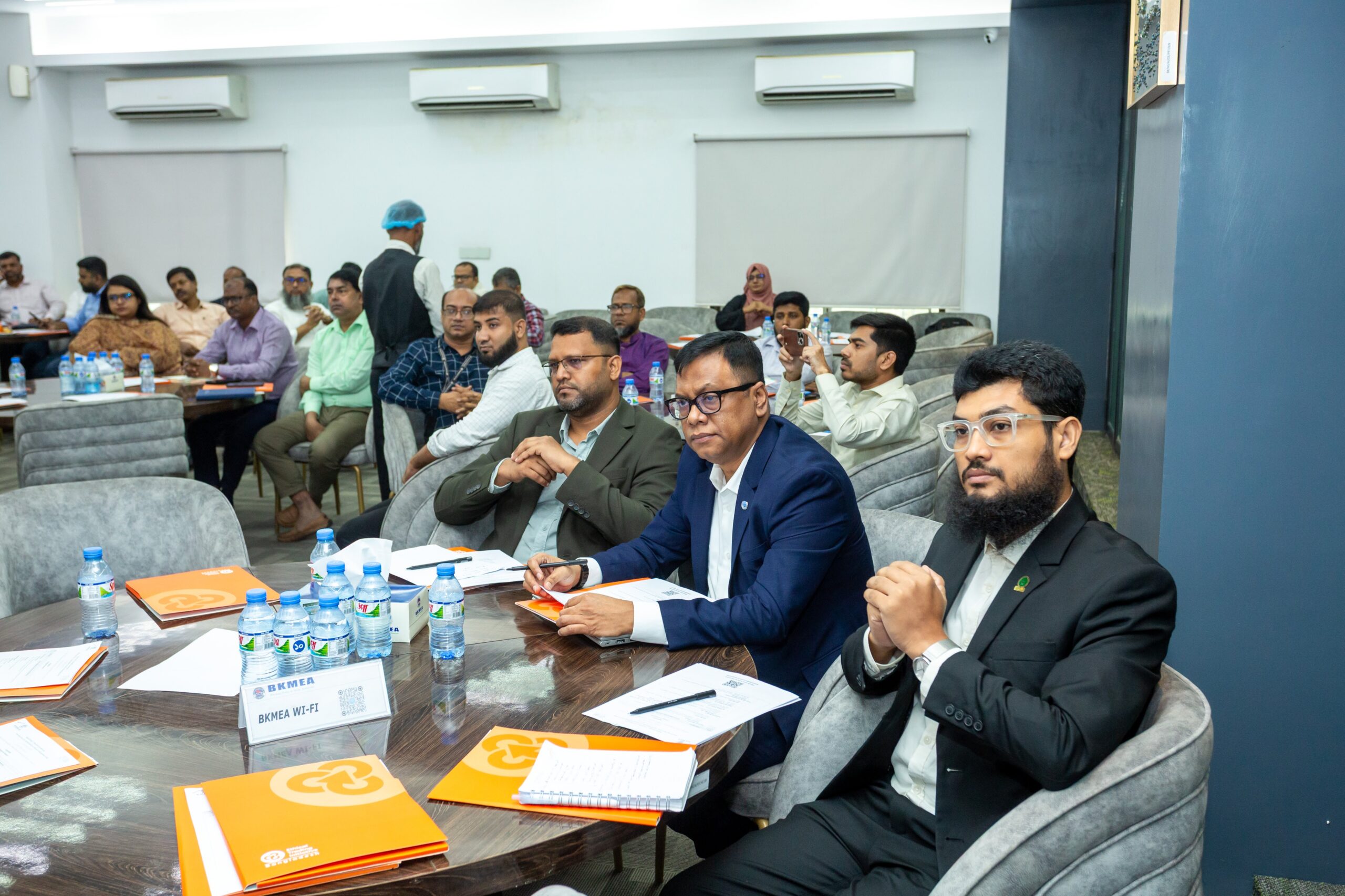
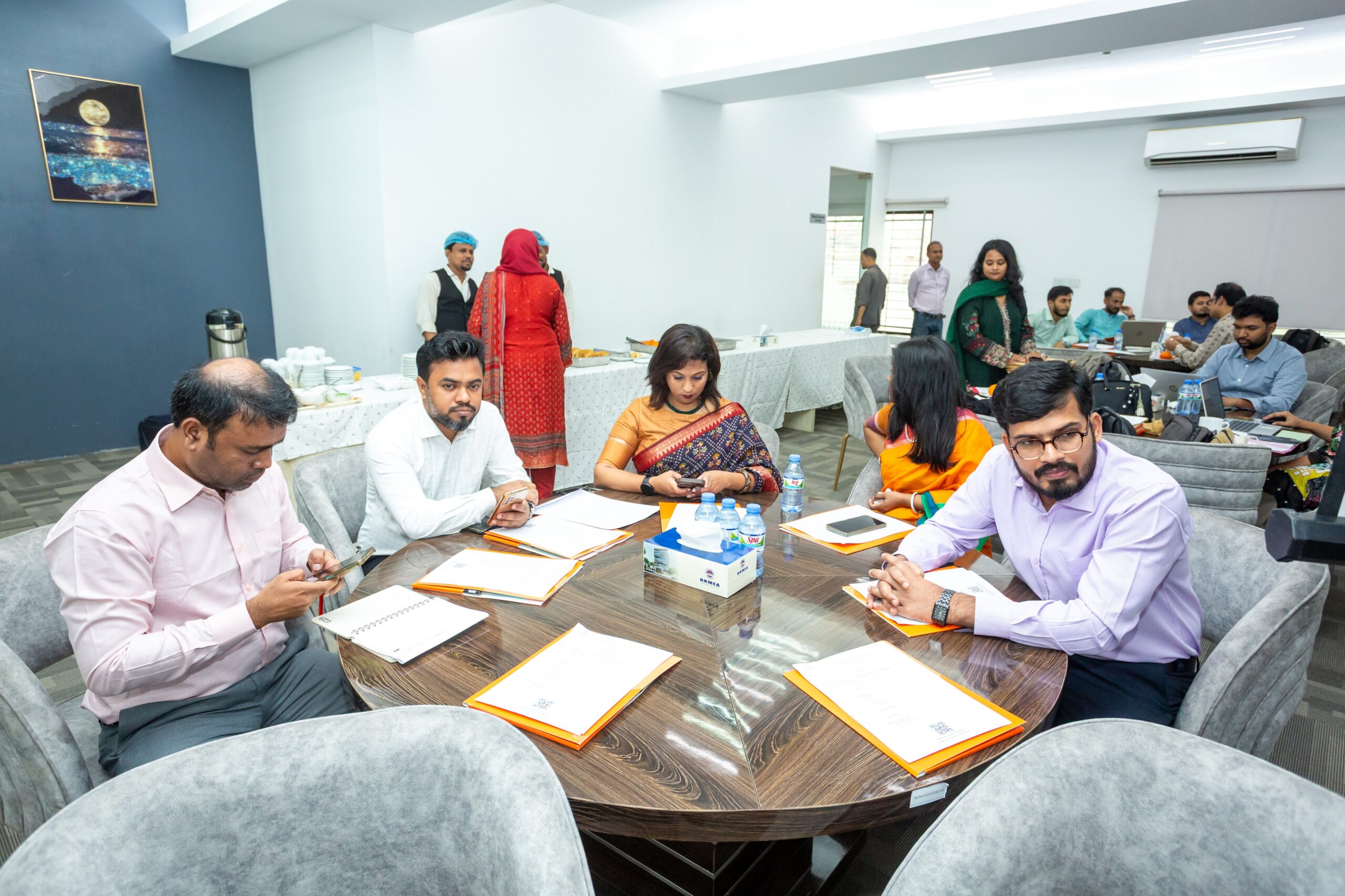
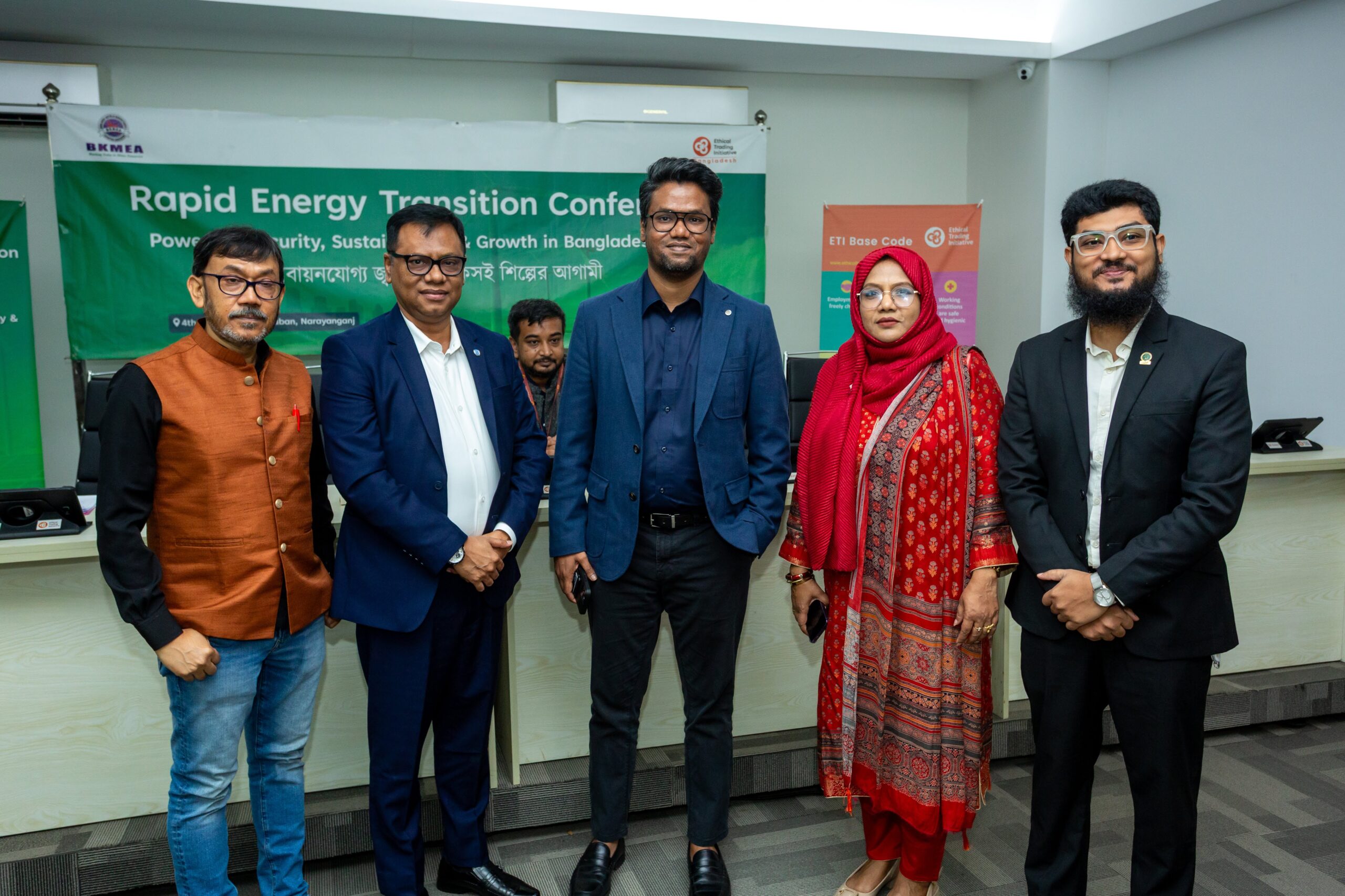
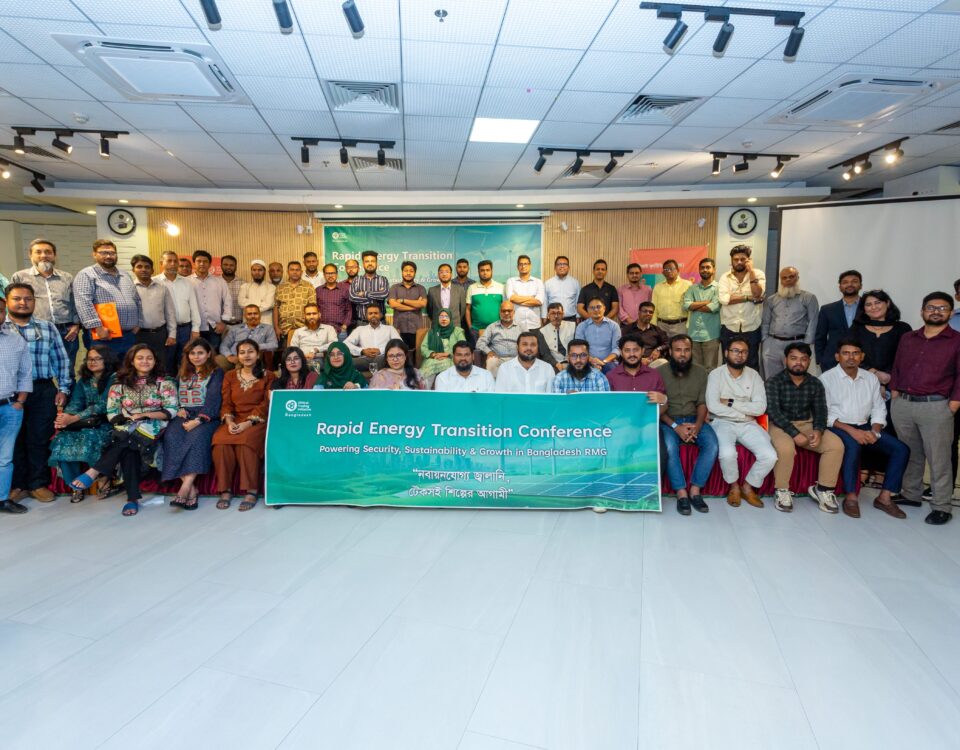
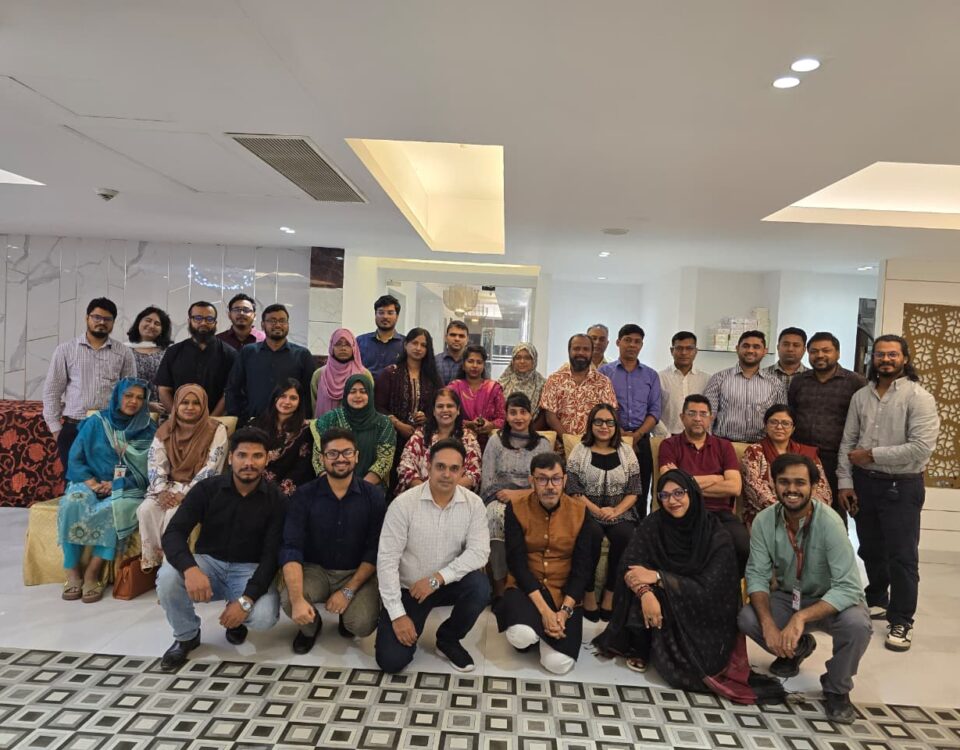
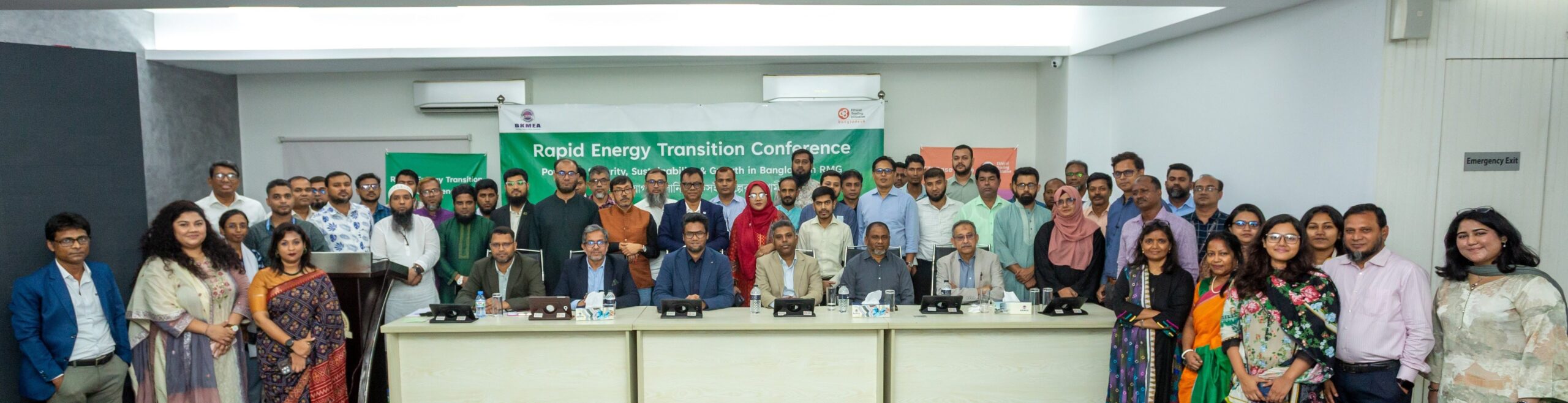
The Rapid Energy Transition Conference: Powering Security, Sustainability & Growth in Bangladesh RMG was jointly organised by the Bangladesh Knitwear Manufacturers and Exporters Association (BKMEA) and Ethical Trading Initiative (ETI) Bangladesh. The conference brought together 71 participants, including 53 factory representatives, 10 members of BKMEA leadership, brand representatives, industry experts, banks and renewable energy service providers.
BKMEA President Mohammad Hatem urged manufacturers to include carbon reduction in factory planning and use available policy and financing opportunities to support the transition. He highlighted rooftop solar, financing initiatives from Bangladesh Bank and commercial banks, and BKMEA’s efforts to simplify VAT and tax arrangements for solar projects.
He also called for factory planning to address the requirements linked to Bangladesh’s LDC graduation and EU requirements, as well as coordination with government agencies on permissions and approvals.
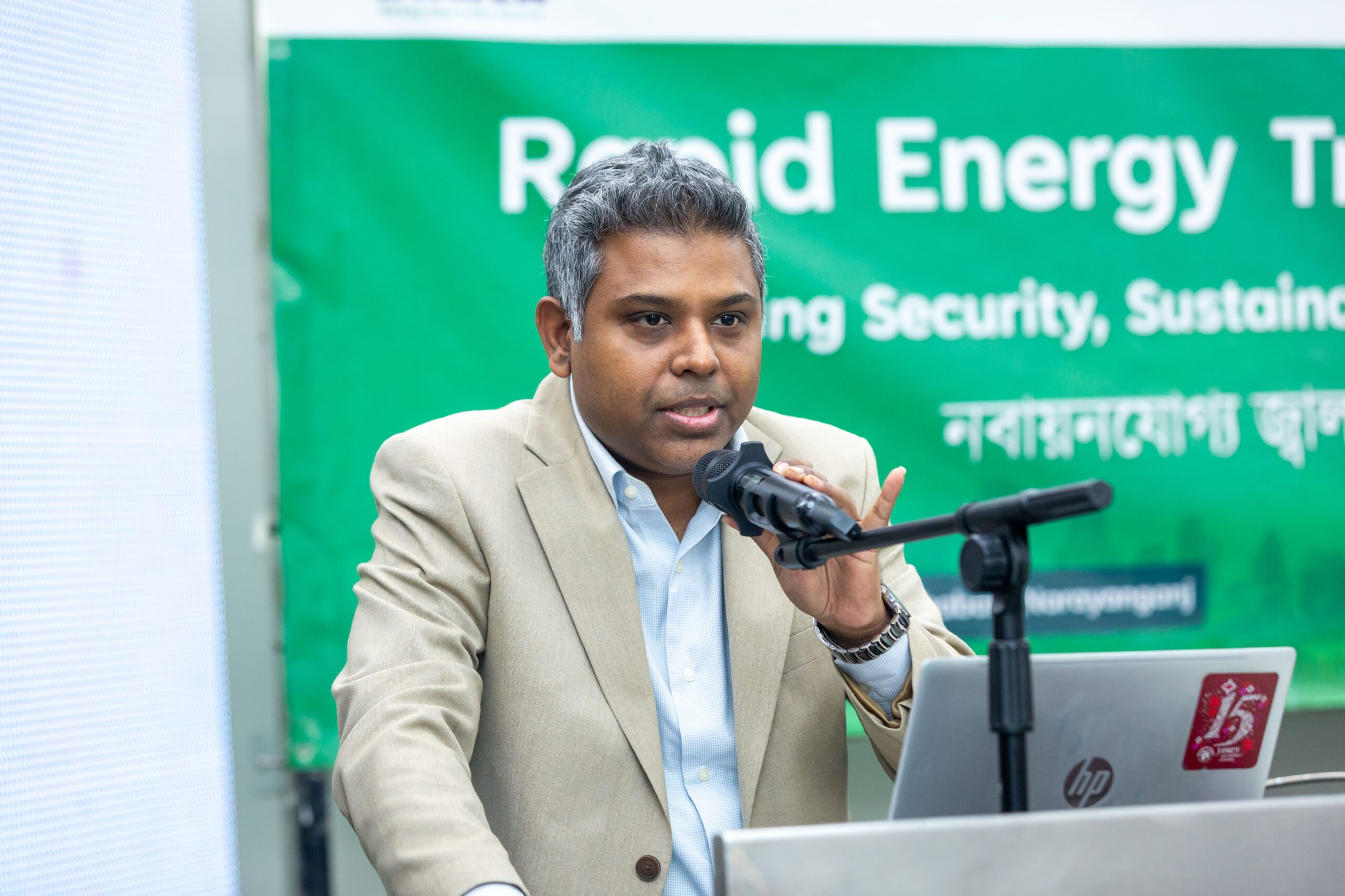
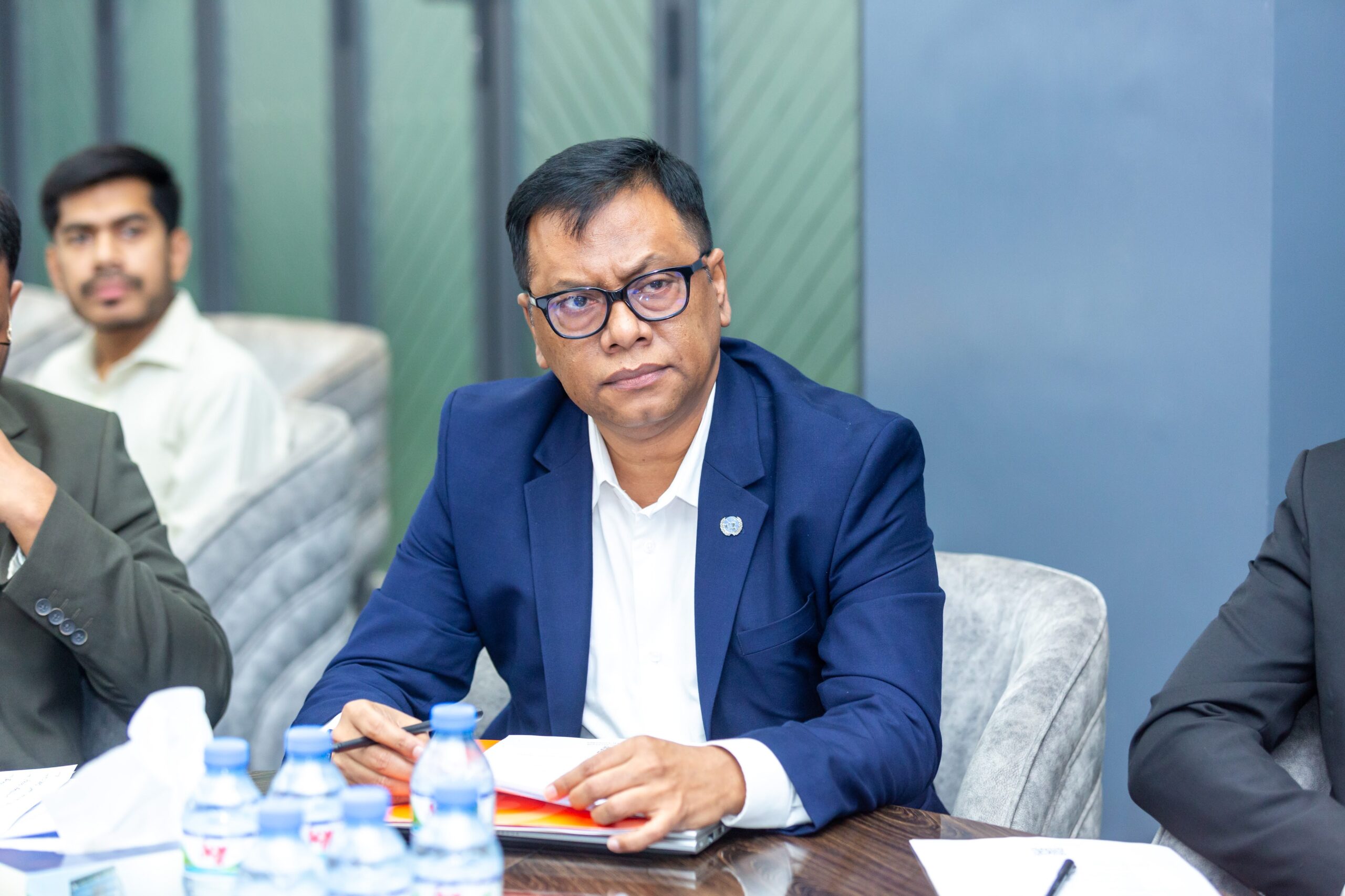
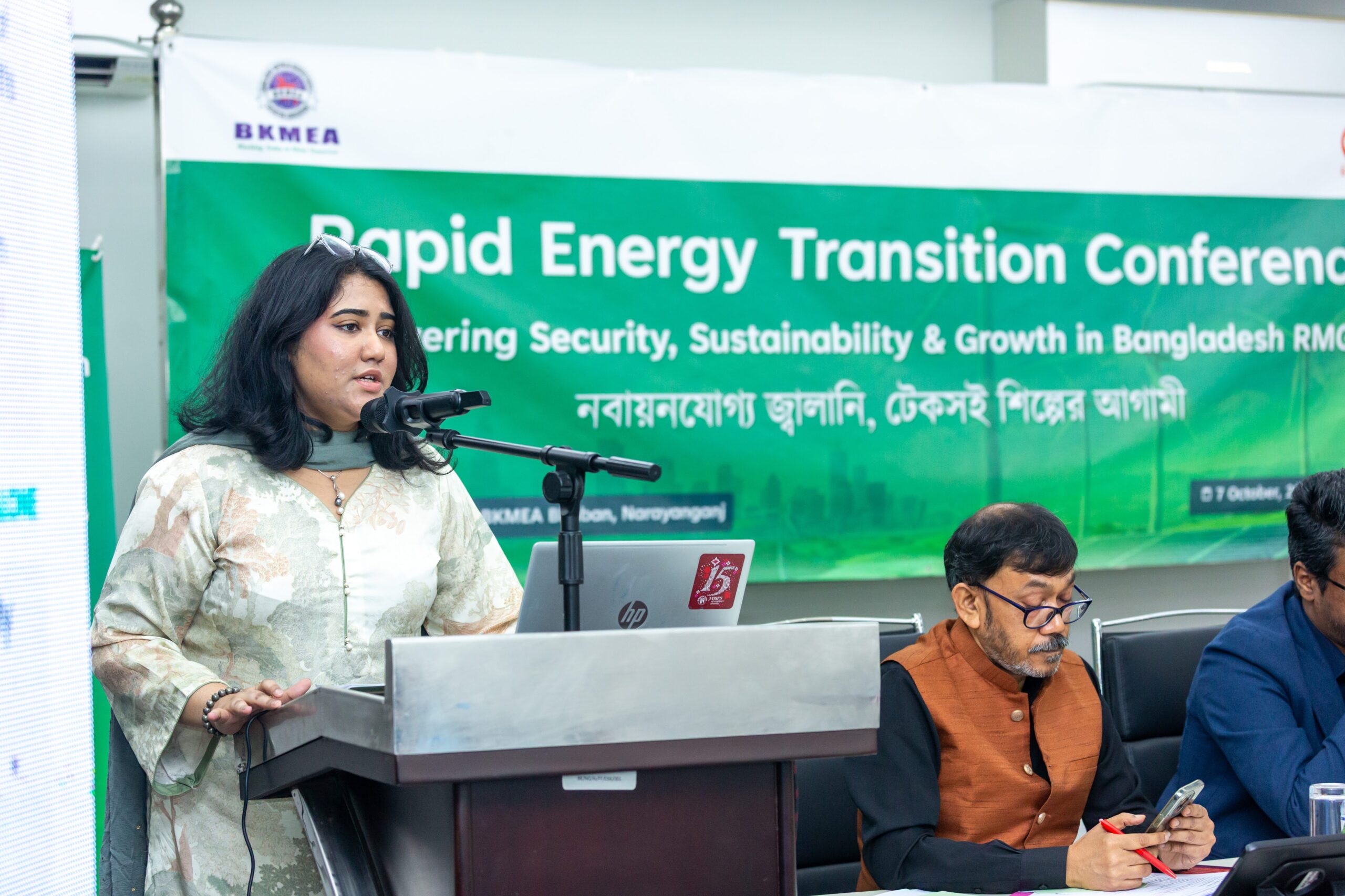
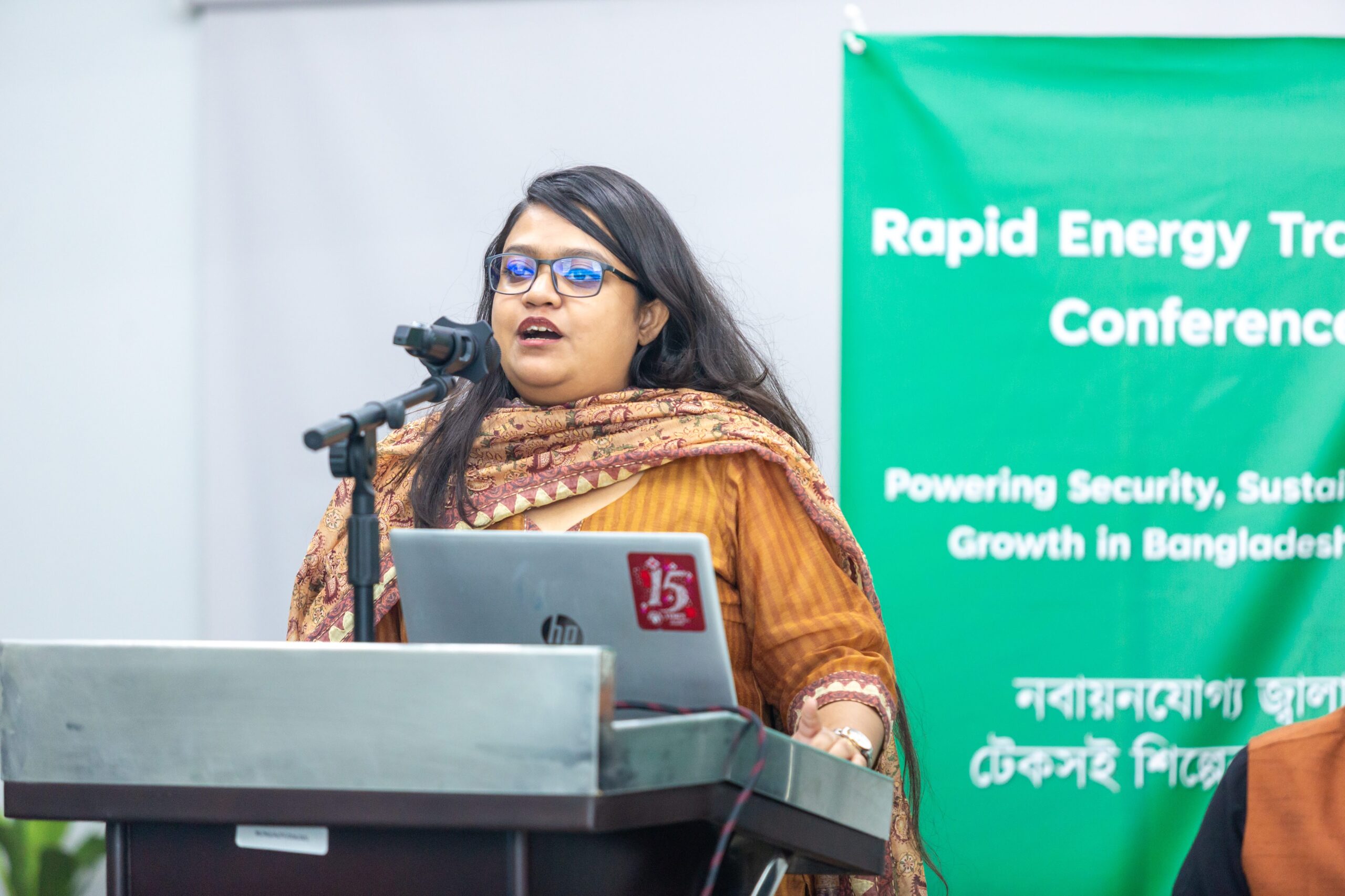

Eng. Imran Kader Turjo, Director of BKMEA and Managing Director of Southern Knitwear Ltd., said manufacturers need to prepare for changing market expectations to protect existing export relationships. He noted that Bangladesh had taken years to establish Europe as a major export market and that developing another market of the same scale would also take years if existing requirements were not met.
Turjo also said early action on decarbonisation and renewable energy could give Bangladesh an advantage over competing sourcing countries such as India and Pakistan.
Other BKMEA leaders also addressed the issue. M. Ishfaq Ahsan, CIP, stressed energy efficiency and shared responsibility with brands. Mansoor Ahmed highlighted energy security and the need to reduce gas waste. Md. Jamal Uddin Miah called for solar adoption to be part of long-term business planning, supported by qualified vendors and performance monitoring.
In his welcome remarks, Minhazul Hoque, Director of BKMEA and Director of Fatullah Dyeing & Calendaring Mills Ltd., urged manufacturers to consider where their businesses need to be over the next five to ten years. He said sustainability requirements are becoming issues of business competitiveness and that owners and senior management need to be involved in preparation.
Hoque also highlighted emerging requirements related to Digital Product Passports and the Corporate Sustainability Due Diligence Directive (CSDDD), and stressed the need for credible environmental and carbon data.
ETI Bangladesh Executive Director Abil Bin Amin said the current pressures facing the industry also provide an opportunity to strengthen the sector. He said reducing fossil-fuel dependence and increasing renewable energy could become a business strength for Bangladesh’s RMG industry.
Speakers discussed how renewable energy and energy efficiency could address immediate energy supply and cost pressures while supporting the longer-term decarbonisation needed for competitiveness.
Md. Nurul Aktar, Director of Energypac Group, said renewable energy investment needs to be combined with energy efficiency and changes in daily workplace practices. He proposed a factory-level switch-off campaign for equipment and lighting during breaks and idle periods, supported by floor-level energy champions, daily targets and section-wise metering. He also proposed combining these measures with efficient machinery, rooftop solar and appropriately assessed battery storage.
Building on this proposal, Munir Uddin Shamim, Director–Programme, Evidence & Learning at ETI Bangladesh, said ETI has promoted workplace-level efficiency and energy-saving practices since 2022, recognising the role workers can play.
He said workers can help identify energy waste and make energy-saving practices part of daily factory operations, and that their participation can support practical improvements and their continuation over time.
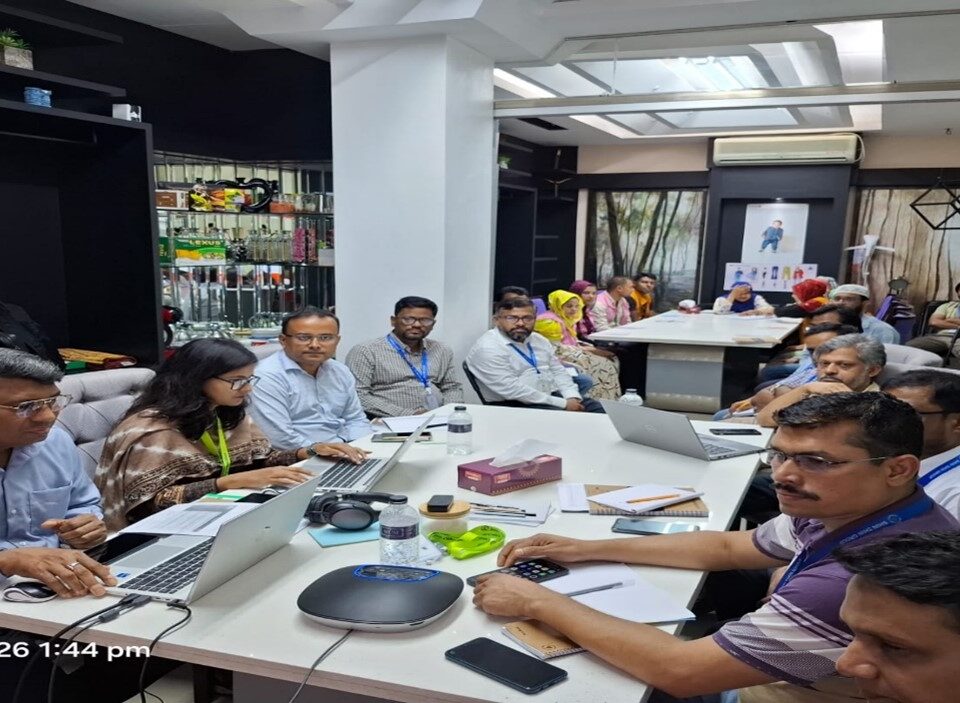
The conference included two working sessions focusing on the urgency of the energy transition and the financing and technology pathways available to manufacturers.
In a keynote, ETI Bangladesh’s Jannatul Ferdaus discussed the impact of the energy crisis on supply chains and workers’ lives and livelihoods. Priyong Sabastini examined industry signals and brand behaviour and discussed renewable energy transition and decarbonisation in relation to business resilience and expectations beyond the current crisis.
Sadia Rowshon Adhora of the Coastal Livelihood and Environmental Action Network (CLEAN) presented the environmental, social and economic benefits of solar power.
Factory, brand and financing perspectives were shared by Epyllion Group, NEXT Sourcing, Varner, City Bank and Greener Garments Initiative. Discussions highlighted management commitment, feasibility assessments, access to finance and continuous monitoring as factors in implementation.
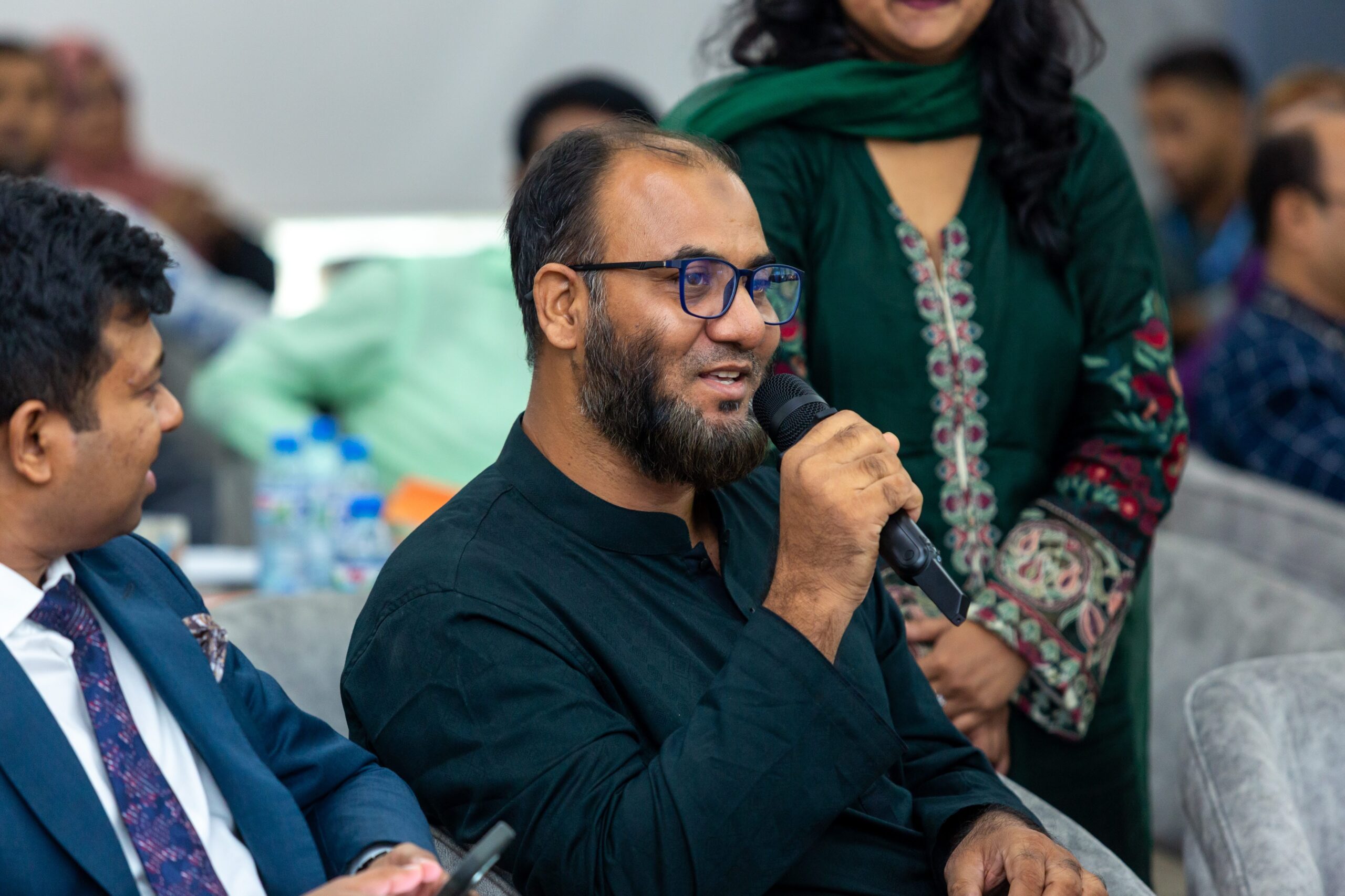
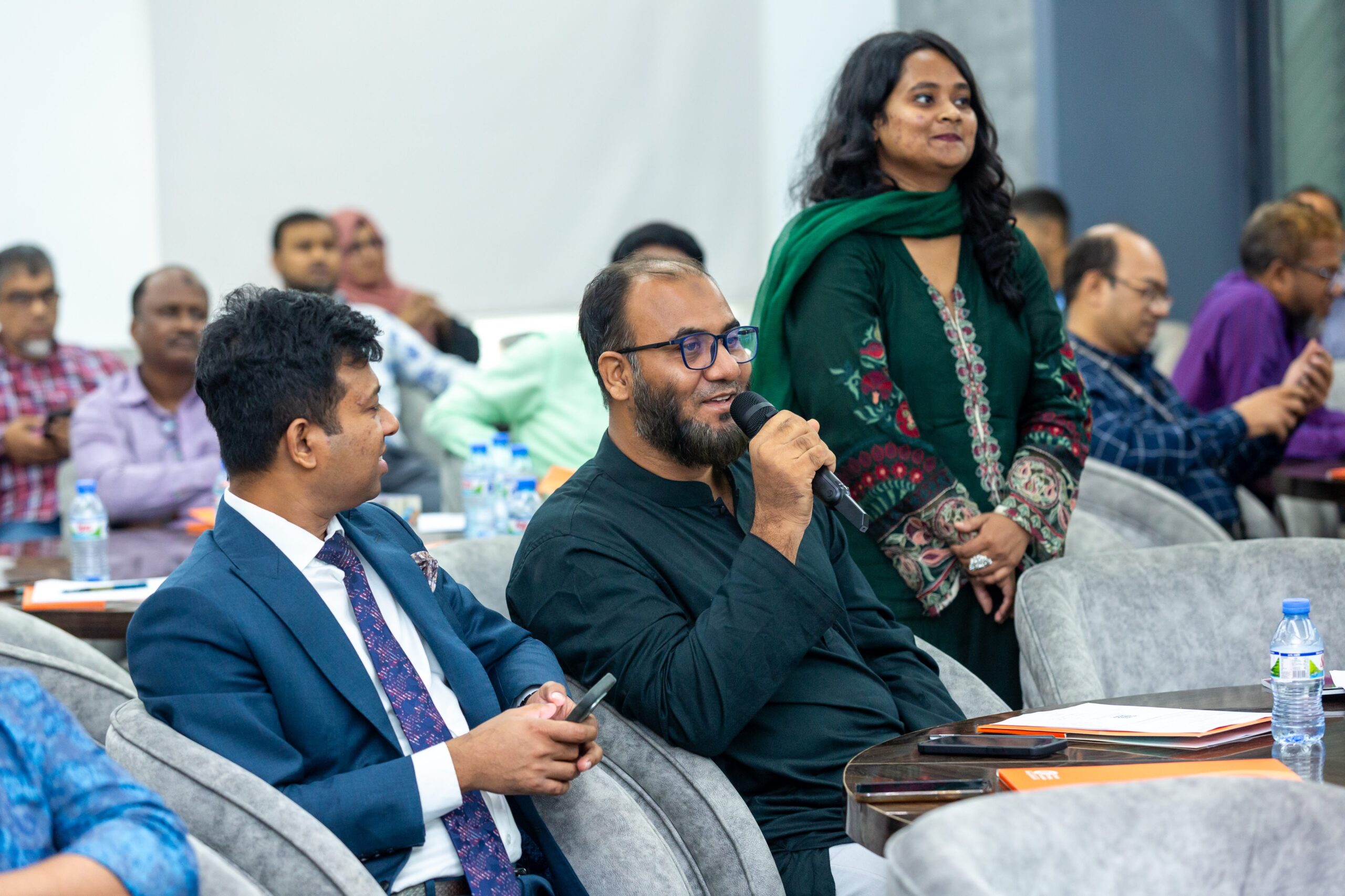
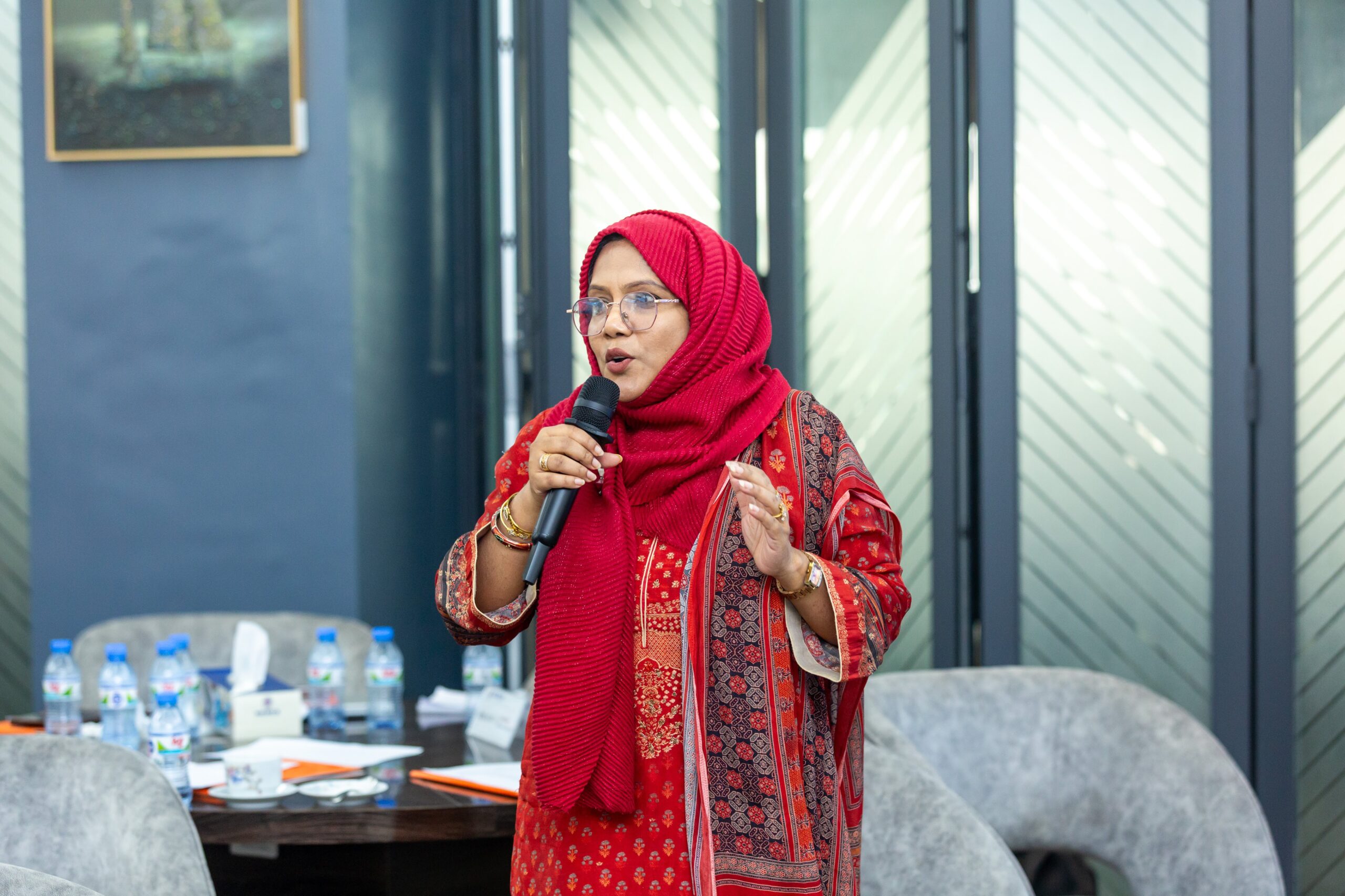
Participants raised concerns about delays in financing, approval bottlenecks and differences between projected and actual solar performance.
The conference identified the following recommendations:
- Include decarbonisation and energy efficiency in long-term business planning.
- Accelerate green financing approvals and disbursement through coordination among BKMEA, commercial banks and Bangladesh Bank.
- Simplify net-metering approvals and strengthen technical assessment and performance monitoring.
- Explore cluster-based renewable energy arrangements for small and medium-sized factories.
- Share responsibility across supply-chain stakeholders and involve workers in energy-saving initiatives.
Participants also raised concerns about financing delays, approval bottlenecks and gaps between projected and actual solar performance.
Closing the conference, Hoque called for financing barriers to be addressed and smaller manufacturers to be included in the transition. He said manufacturers cannot carry the responsibility alone.
He also urged factory representatives to take the discussions to owners and management and turn them into investment and implementation plans, using current energy pressures to accelerate preparations for the industry’s future.