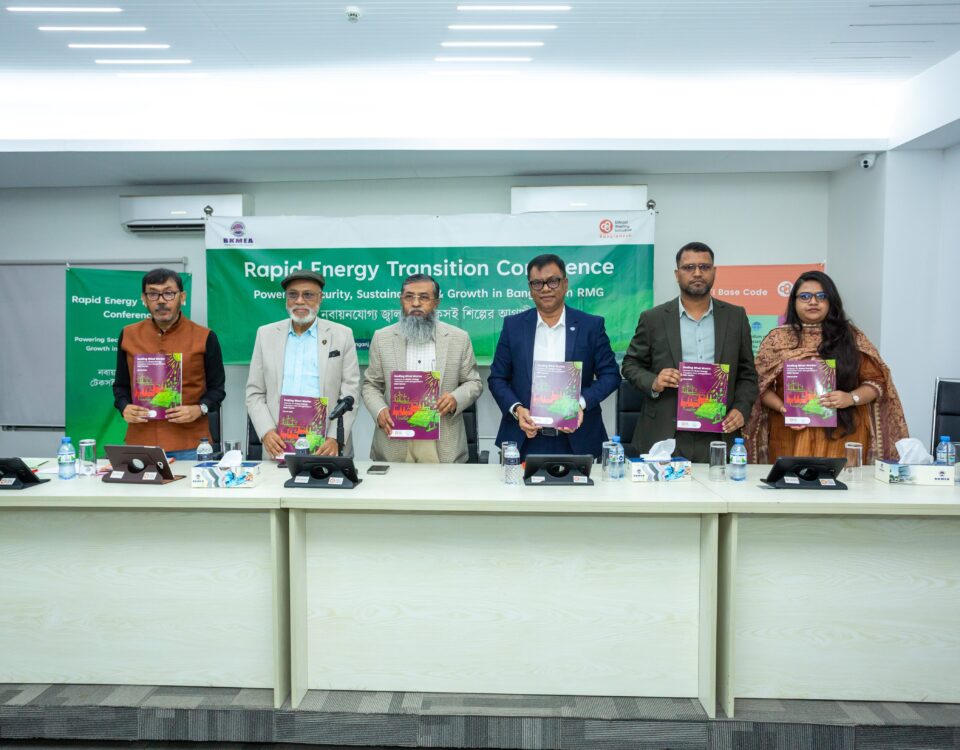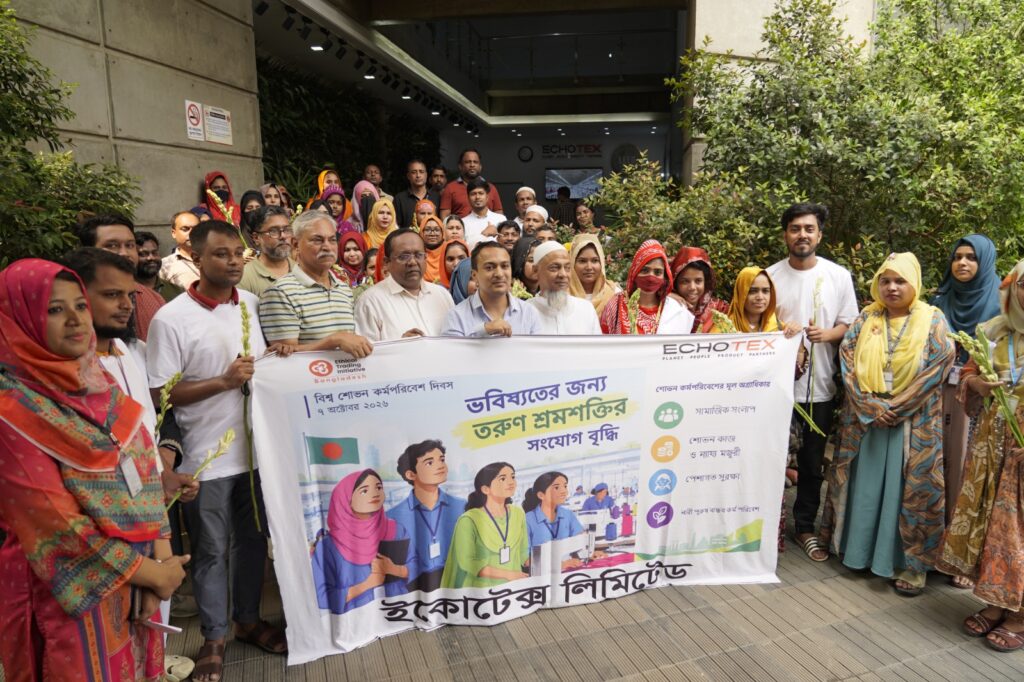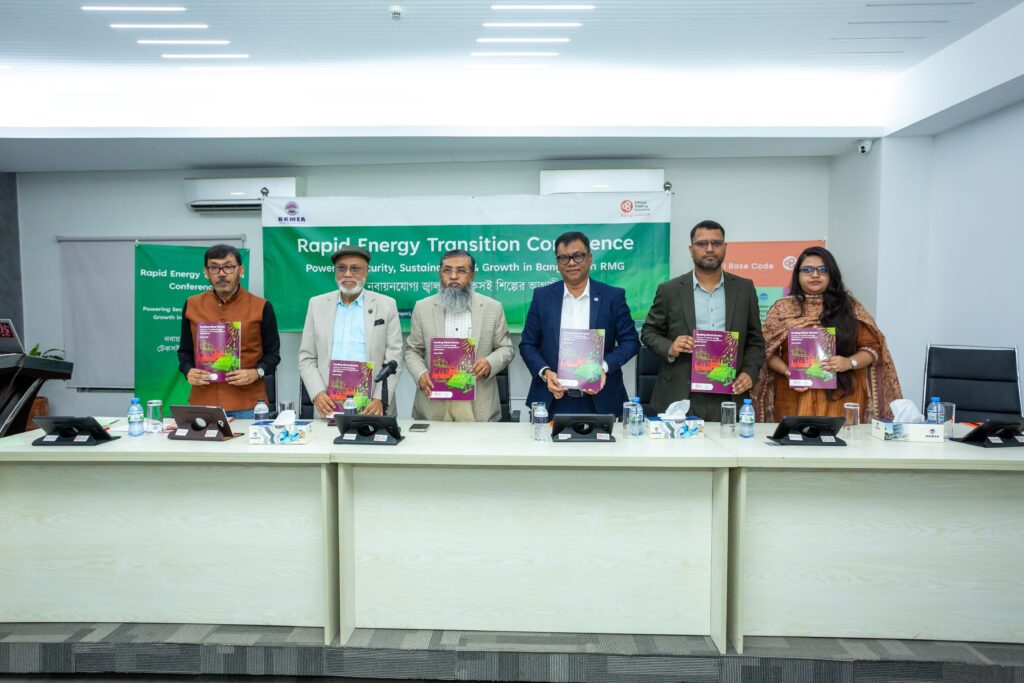
Ethical Trading Initiative (ETI) Bangladesh has brought together factory representatives, brands, labour rights organisations and worker federations to strengthen the development of its Green Social Dialogue (GSD) training curriculum and identify priorities for sectoral advocacy on renewable energy in the ready-made garments sector.
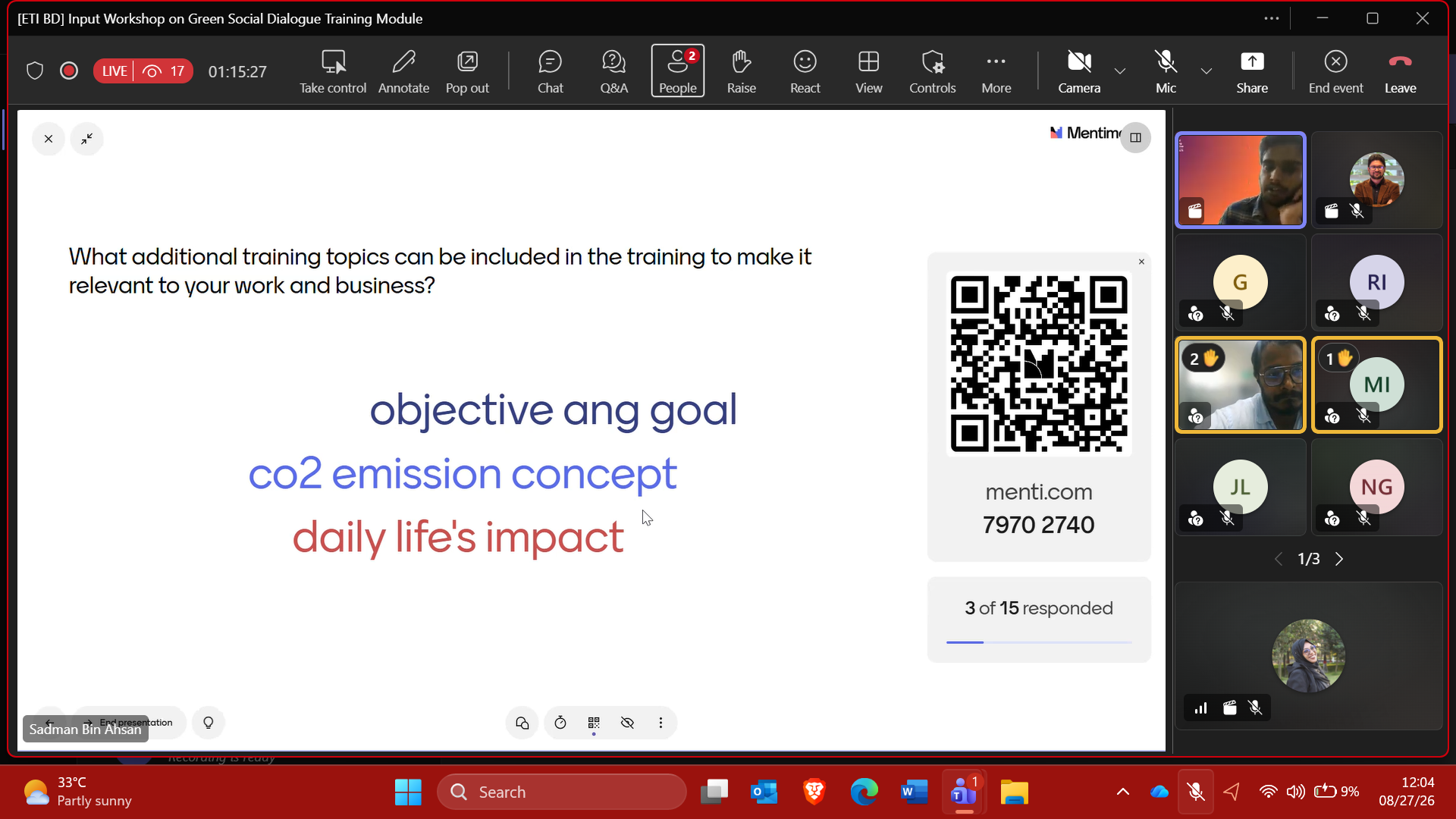
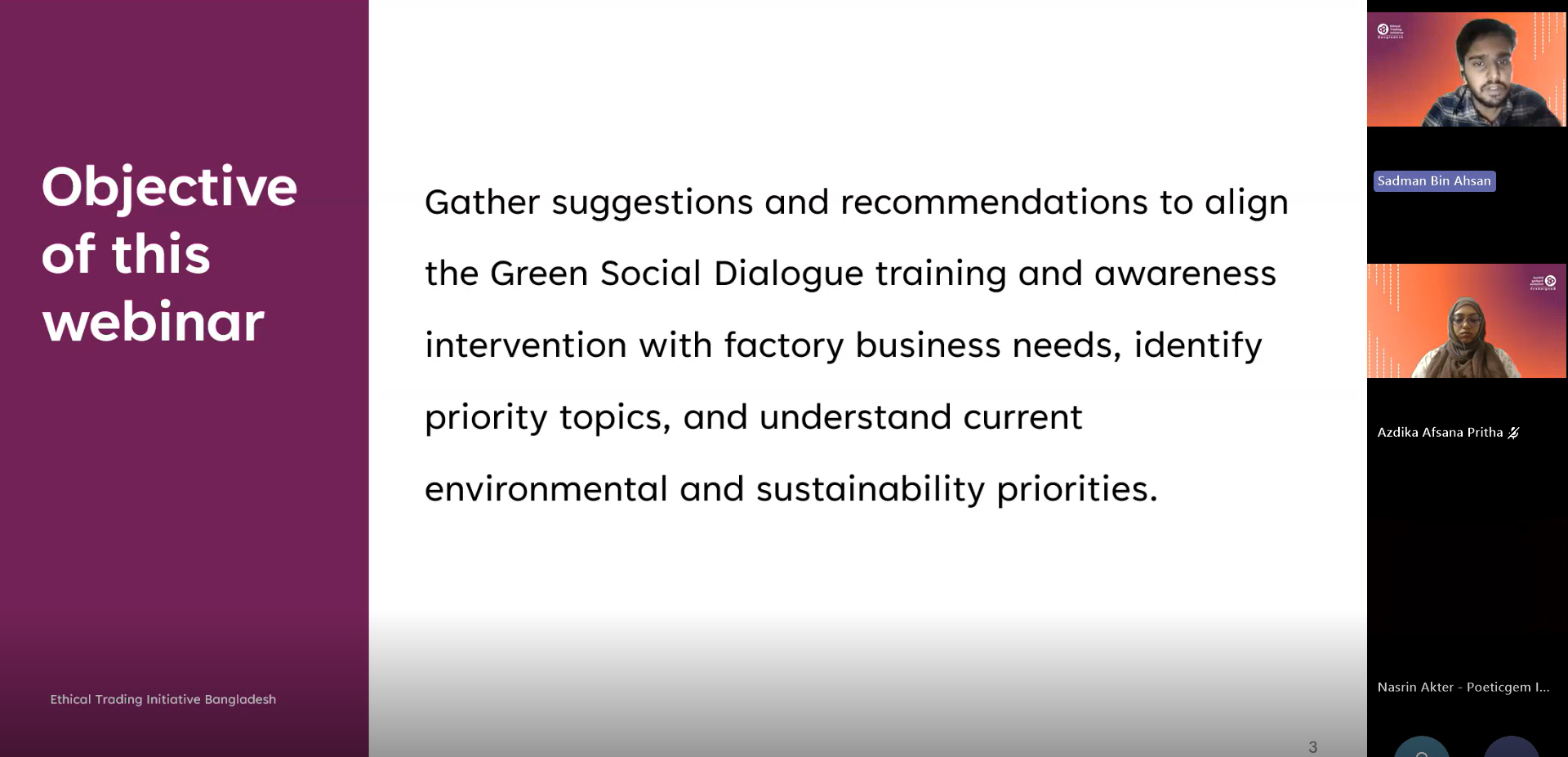
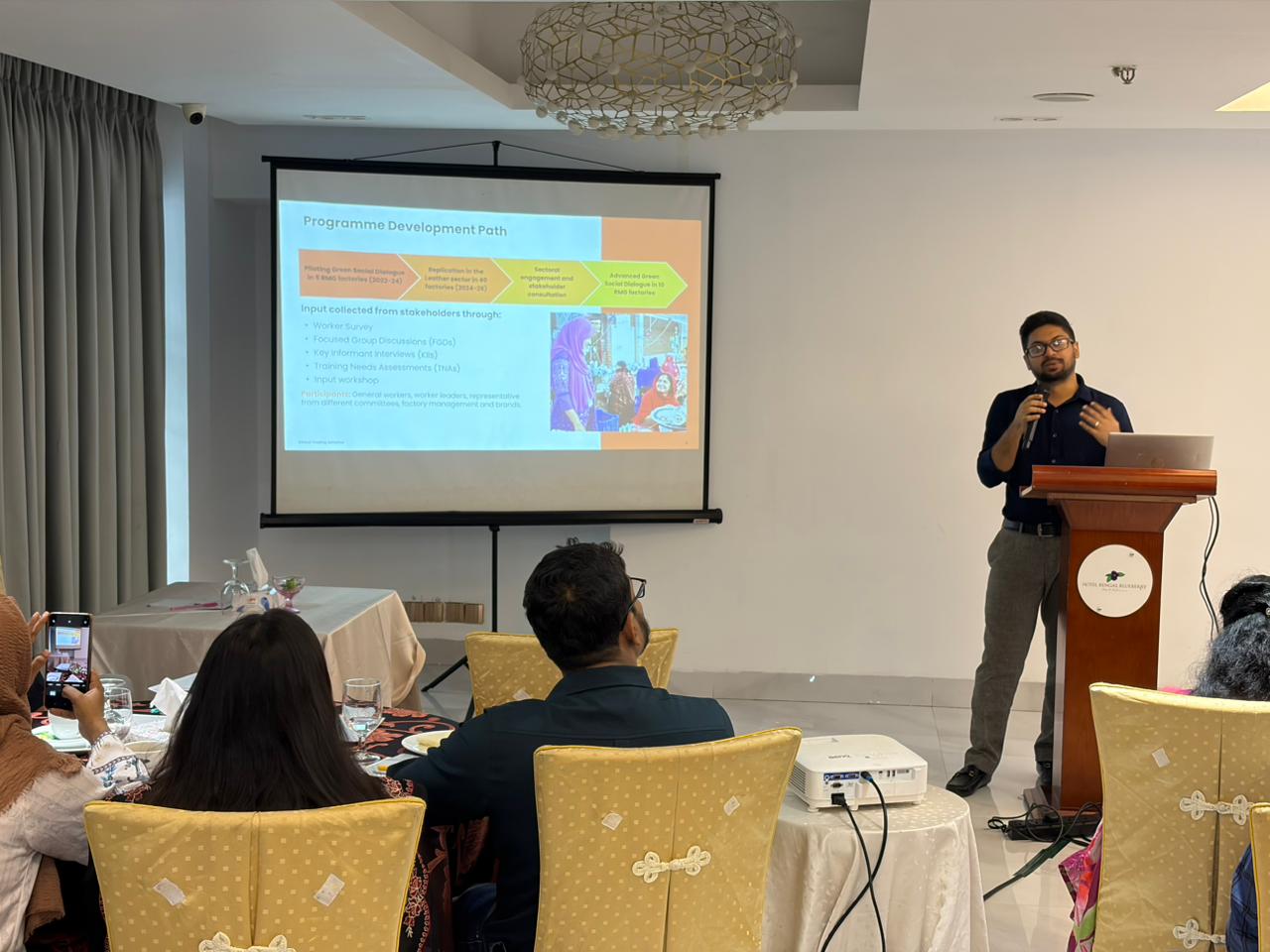
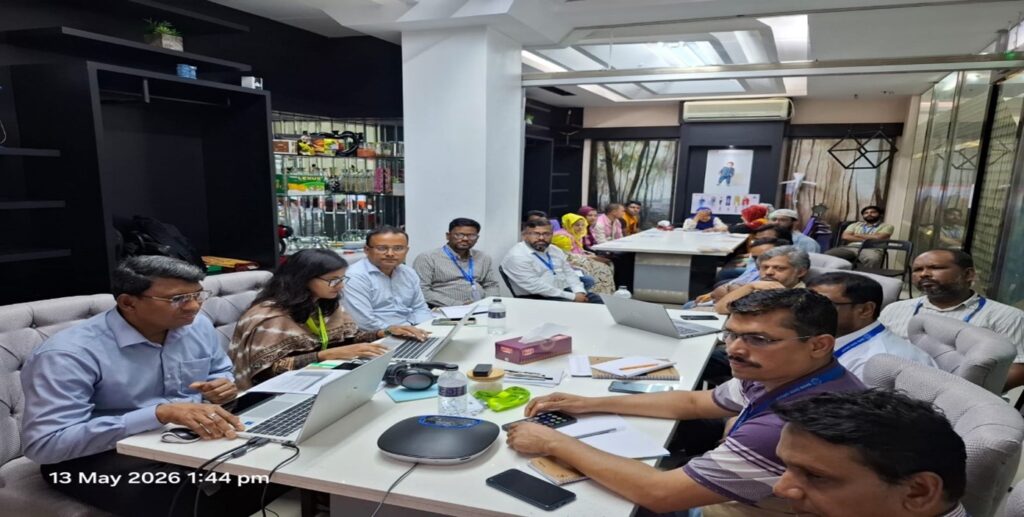
As part of the development of the GSD training curriculum, ETI Bangladesh organised an input workshop on 27 August with representatives from nine project factories. The workshop created a space for factory representatives to share practical experiences and suggestions on workplace training, worker engagement, environmental sustainability and resource efficiency. Participants shared existing approaches to worker awareness, communication and learning, alongside experiences in energy efficiency, waste management, solar energy, water conservation and resource use. They also stressed the importance of making the training practical and relevant to workers’ everyday experiences, while considering how workplace awareness can extend to workers’ families and surrounding communities. These factory-level insights provided an important foundation for strengthening the relevance and practicality of the GSD training curriculum.
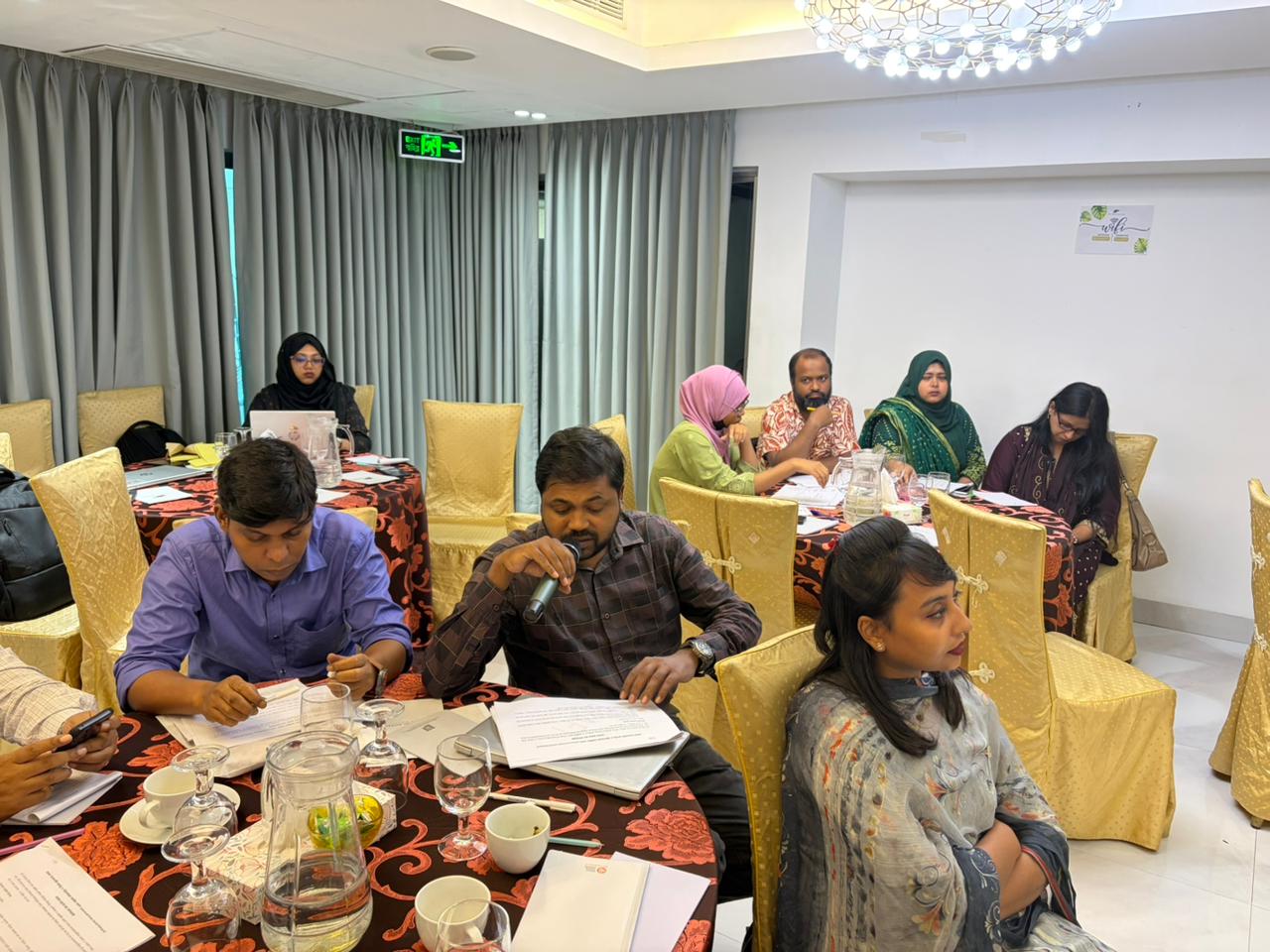
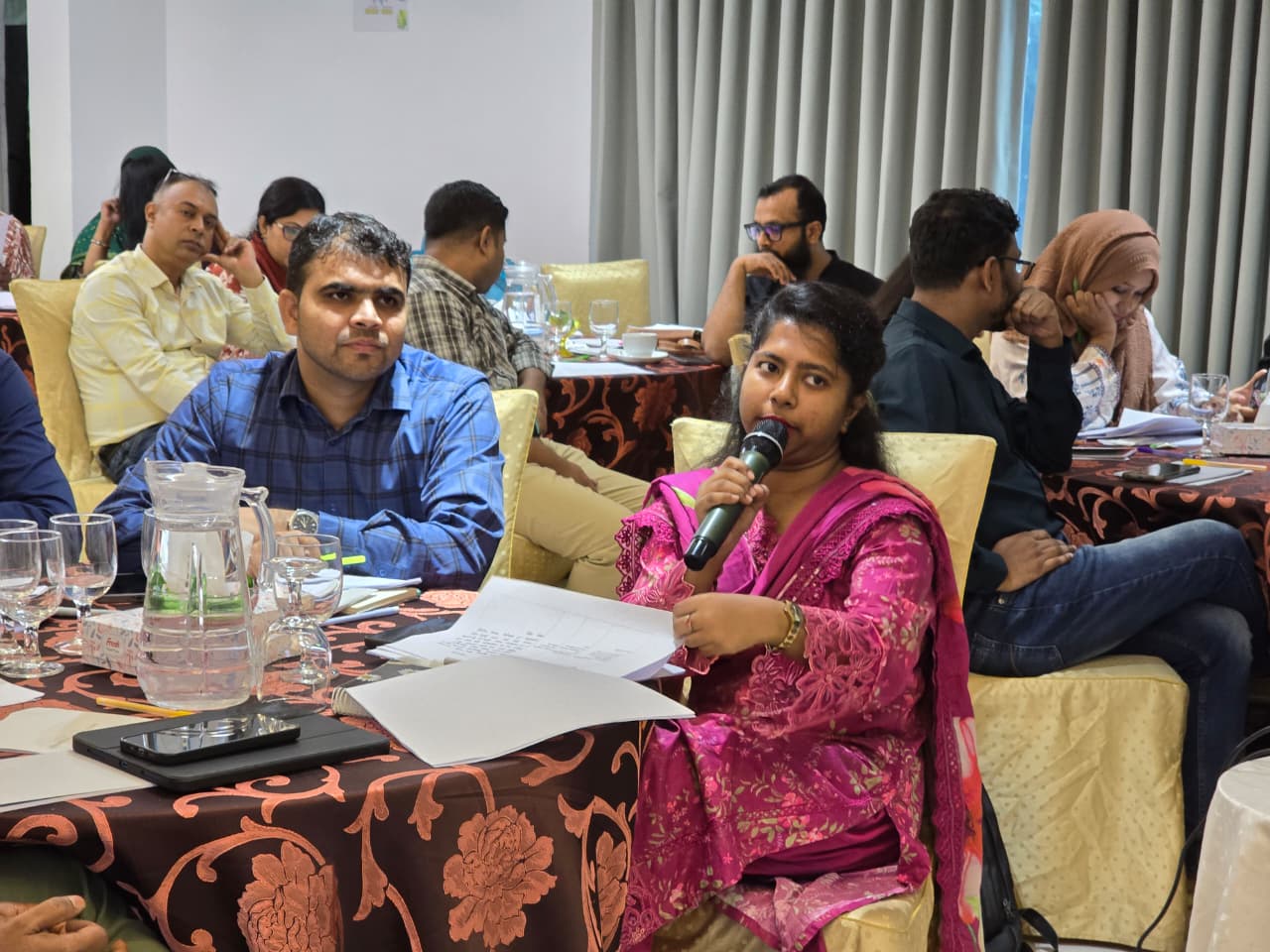
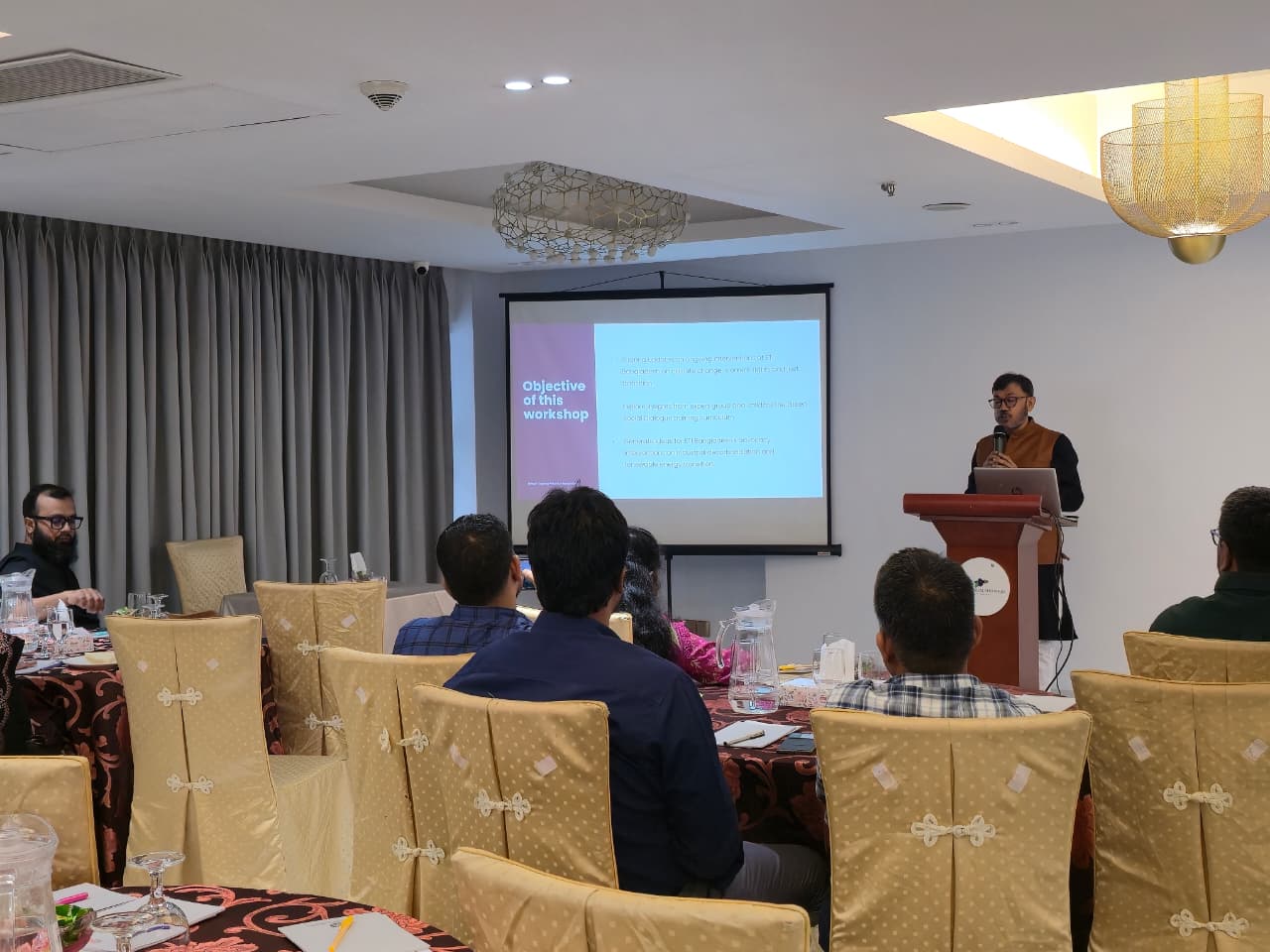
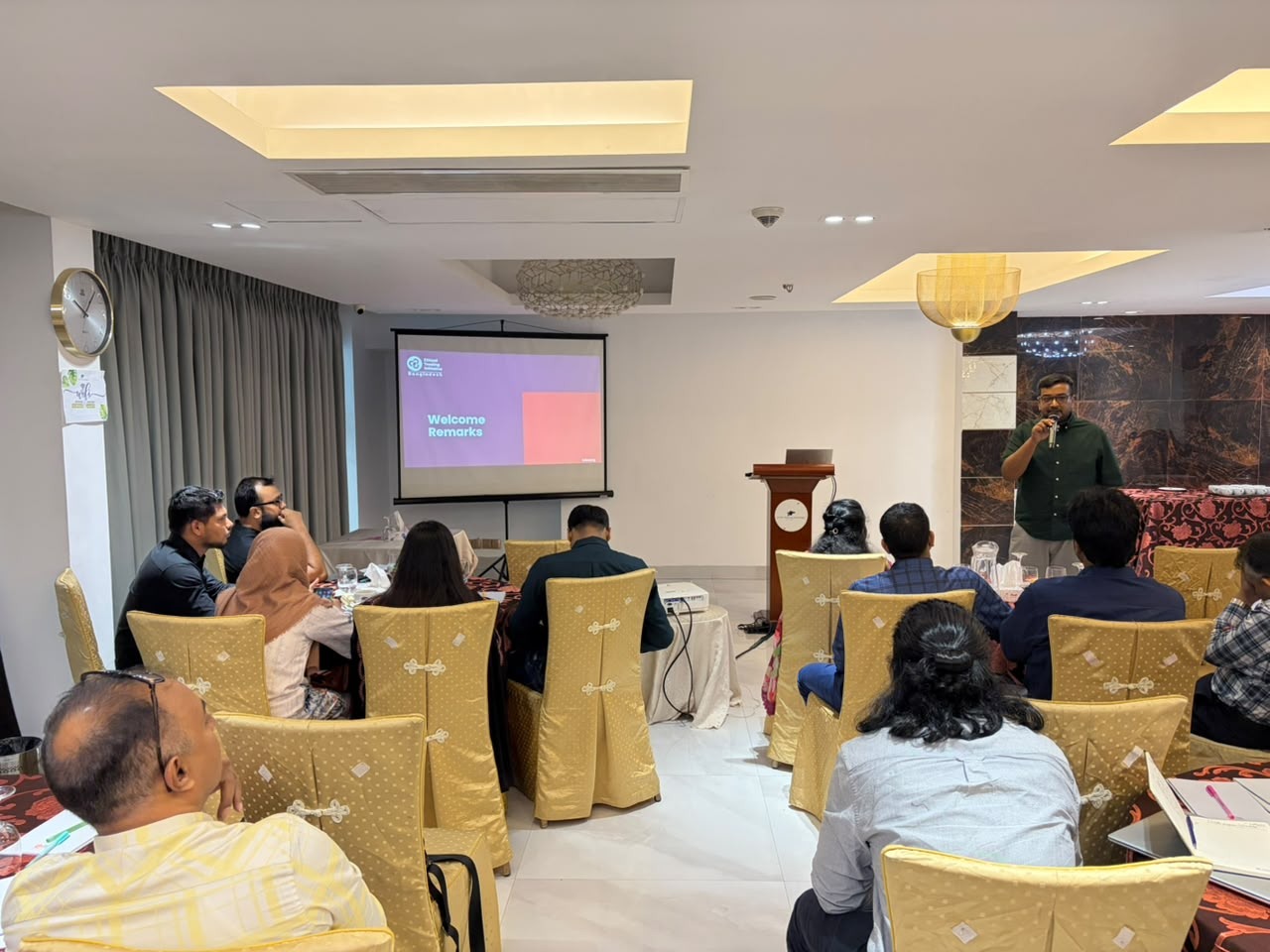
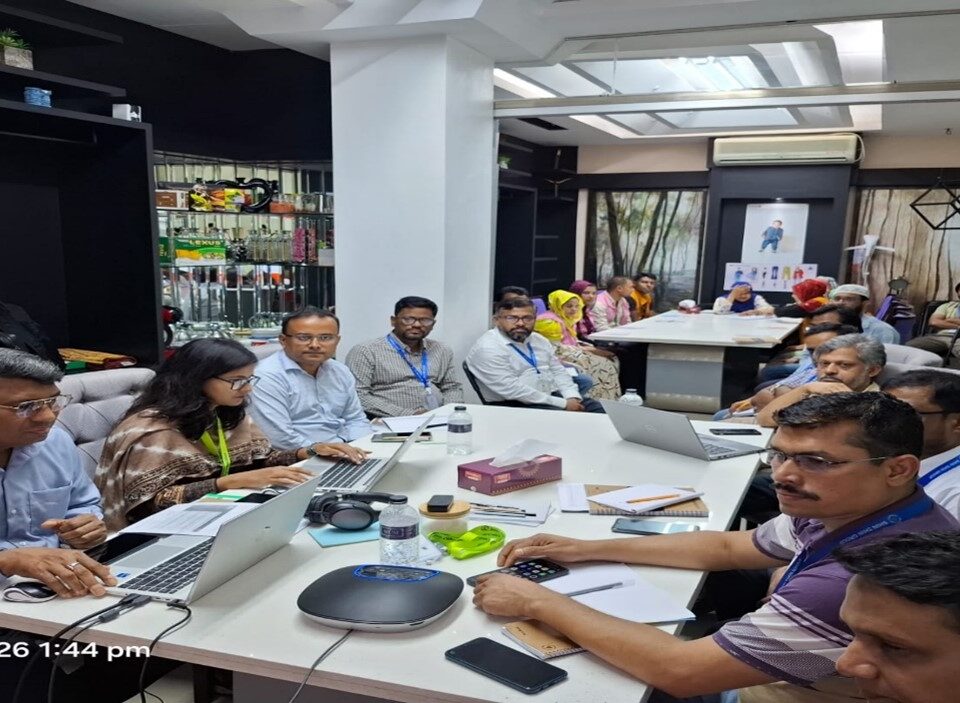
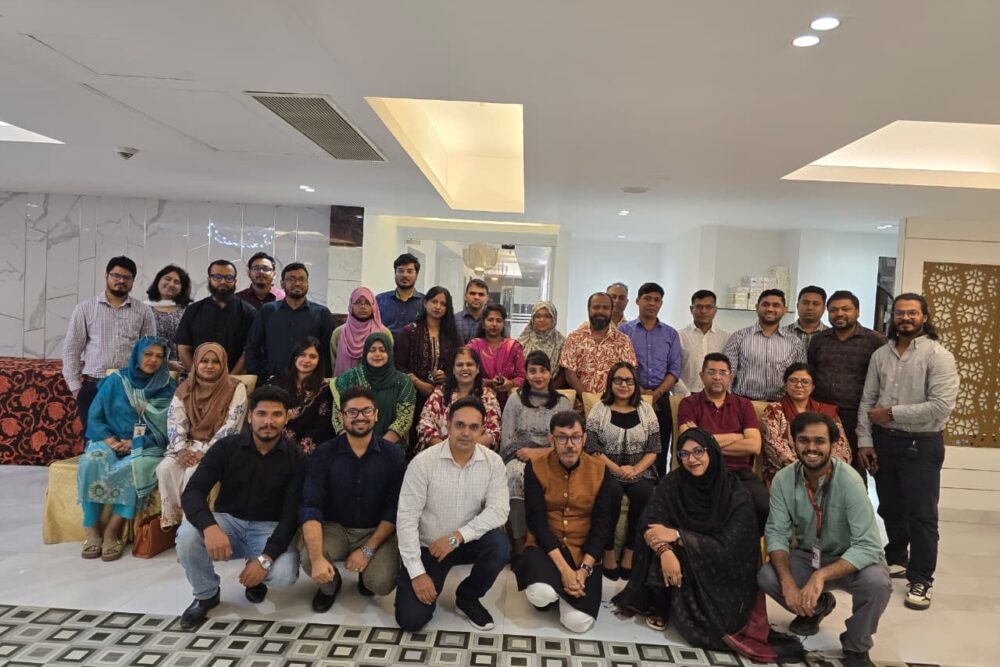
Building on these inputs, ETI Bangladesh convened a multistakeholder expert group meeting on 3 September, bringing together representatives from GSD project factories, brands, labour rights organisations and worker federations to discuss climate change, workers’ rights and just transition.
The meeting focused on two key areas: validating the GSD training curriculum developed by the ETI Bangladesh team and gathering ideas for renewable energy advocacy interventions that ETI Bangladesh can take forward at both sectoral and national levels. Participants reviewed the curriculum from their respective areas of expertise and experience, providing feedback to strengthen its content and ensure that it reflects workplace realities. The discussion also reinforced the need for the curriculum to support meaningful engagement on climate change, workers’ rights and sustainable workplace practices. The consultation also identified five major priorities to inform future multistakeholder engagement and sectoral and national-level advocacy towards a green transition, particularly in the context of the current crisis:
- Stronger policy implementation: addressing gaps in existing renewable energy policies, simplifying approval processes and operationalising corporate power purchase agreements.
- Accessible finance and technical support: expanding low-interest financing and feasibility support for viable renewable energy projects.
- Diverse and locally viable solutions: looking beyond rooftop solar while strengthening grid, off-grid and locally developed renewable energy options.
- Better data and long-term planning: improving access to standardised energy and emissions data tools, policy coherence and contingency planning for industrial energy security.
- Shared responsibility: encouraging brands and other stakeholders to provide practical support for supplier decarbonisation.
A key outcome of the meeting was the agreement to transition the Multi-Stakeholder Working Group into a semi-formal platform for cross-sector learning, consultation and recommendation development. This will provide a continued space for stakeholders to share experience, build common understanding and develop practical recommendations on climate action and renewable energy, supporting ETI Bangladesh’s sectoral and national engagement. The GSD curriculum and the recommendations from these consultations will inform ETI Bangladesh’s upcoming sectoral and national engagement on climate action and renewable energy.