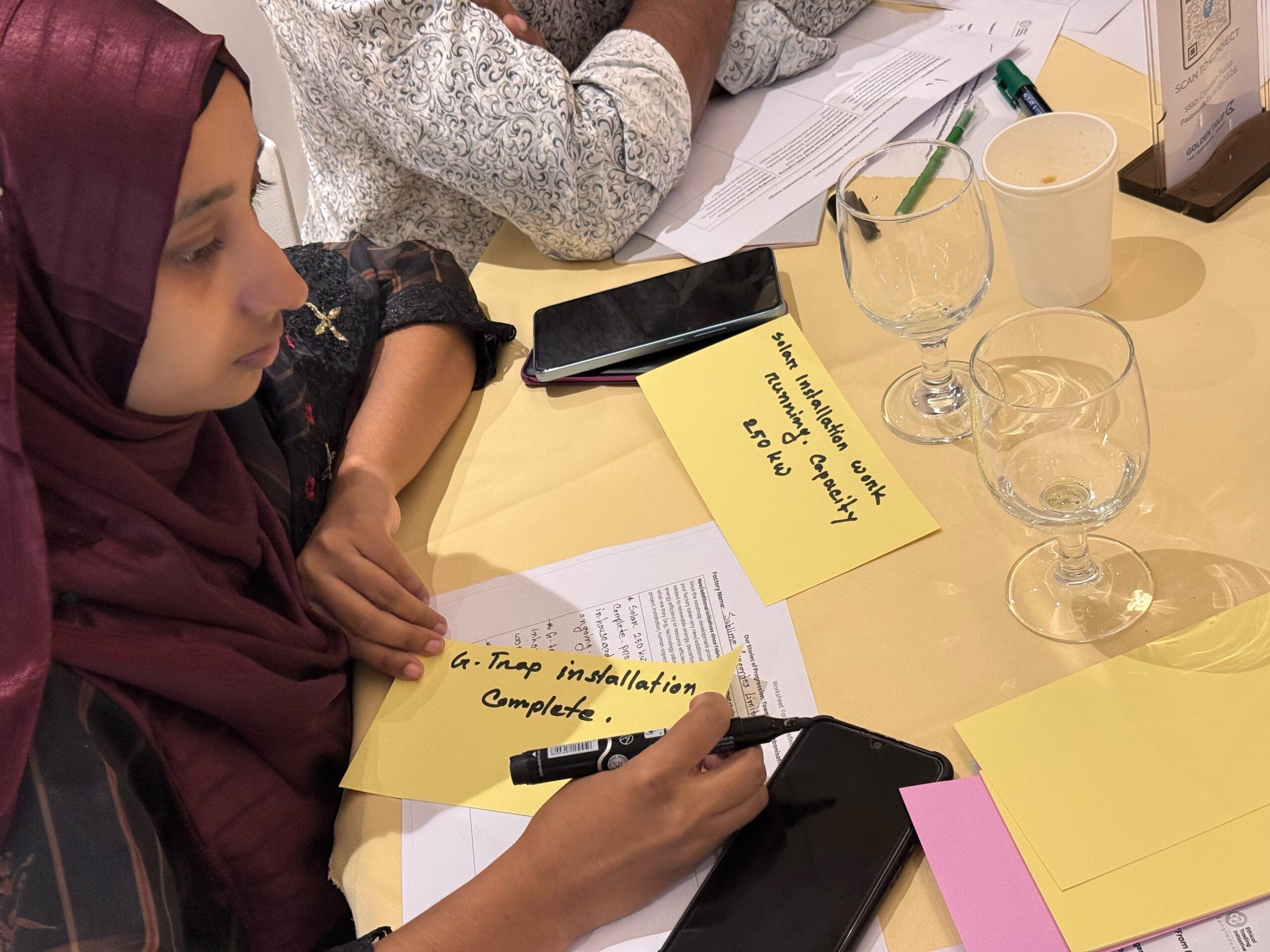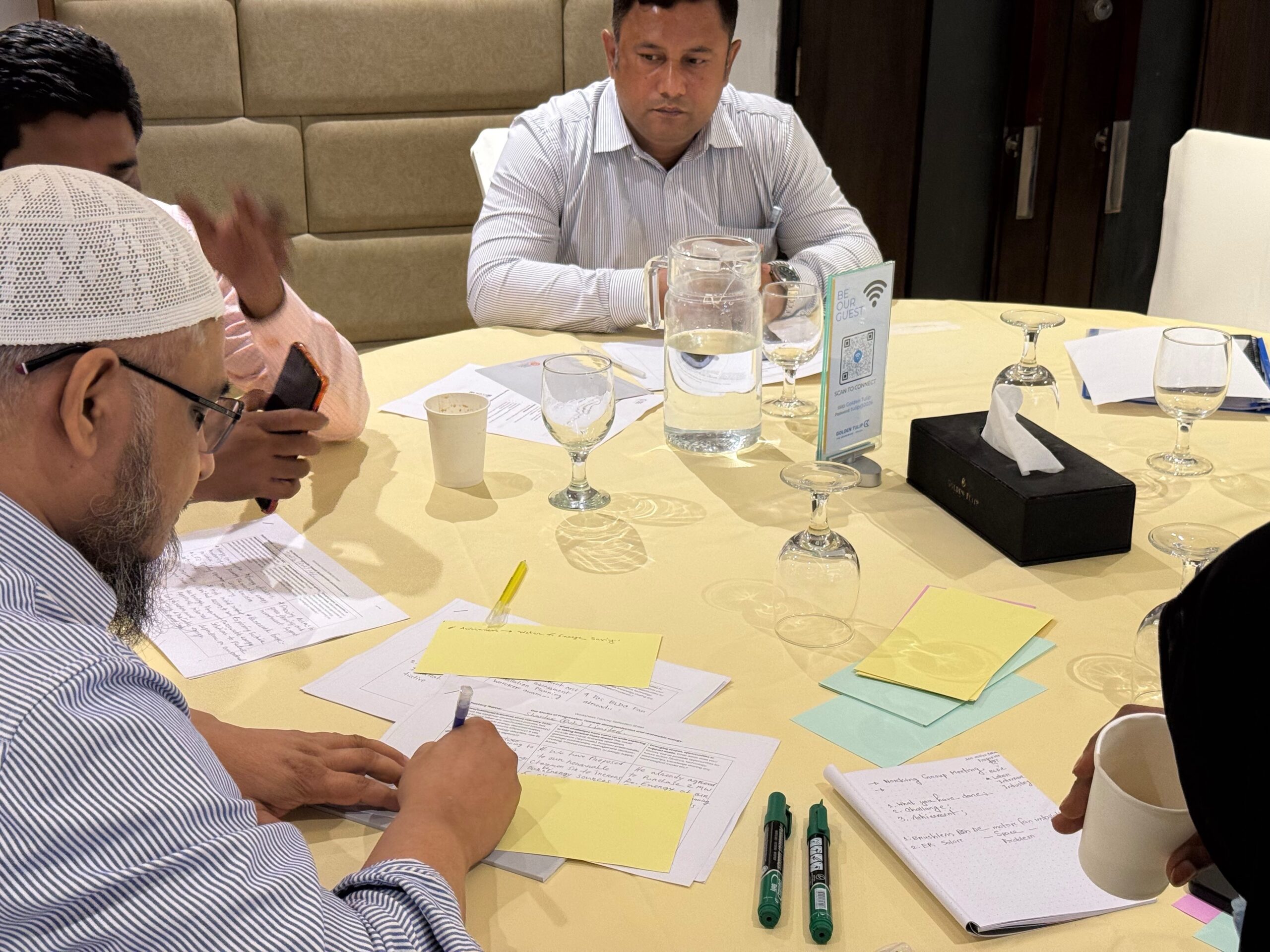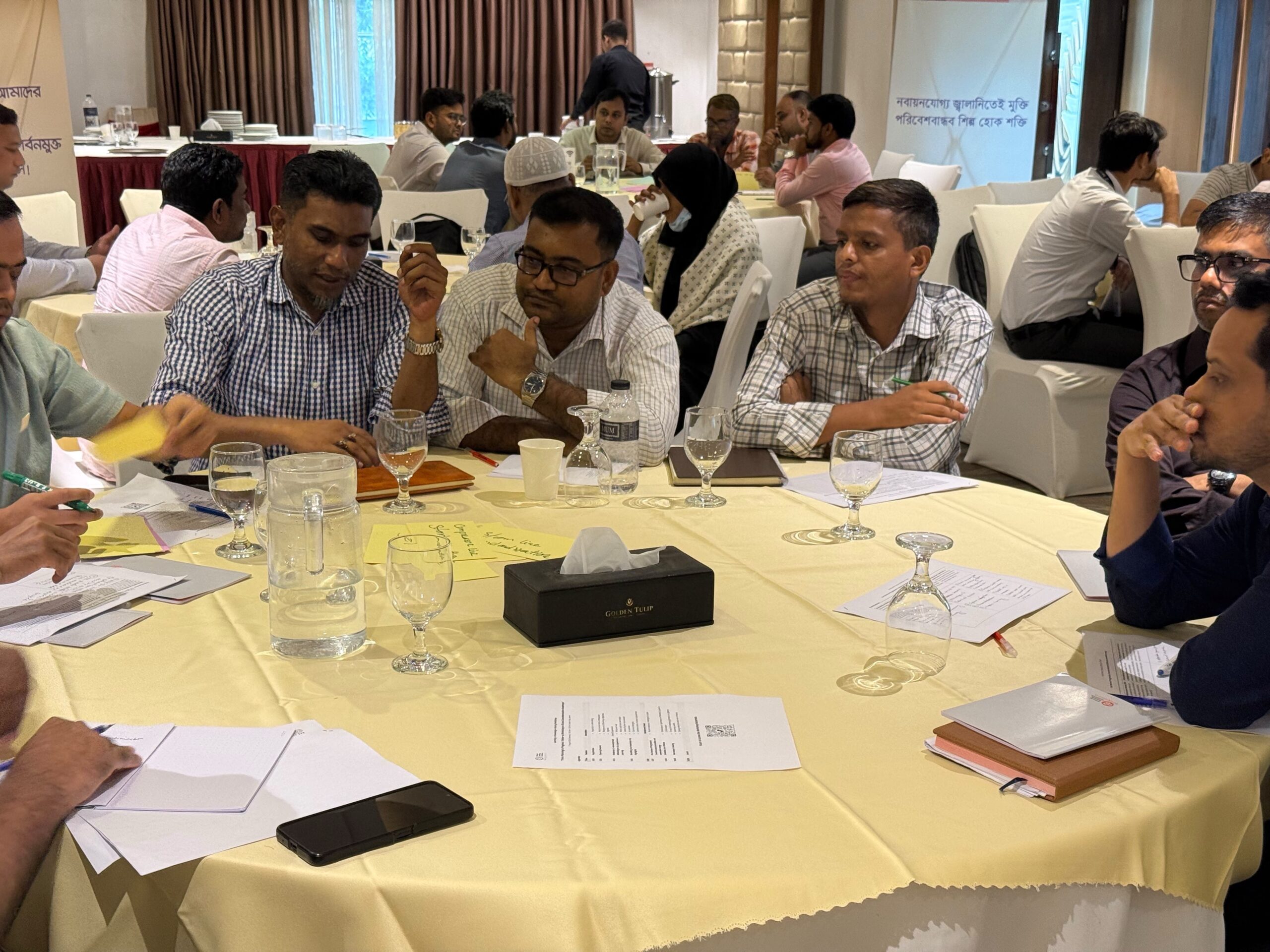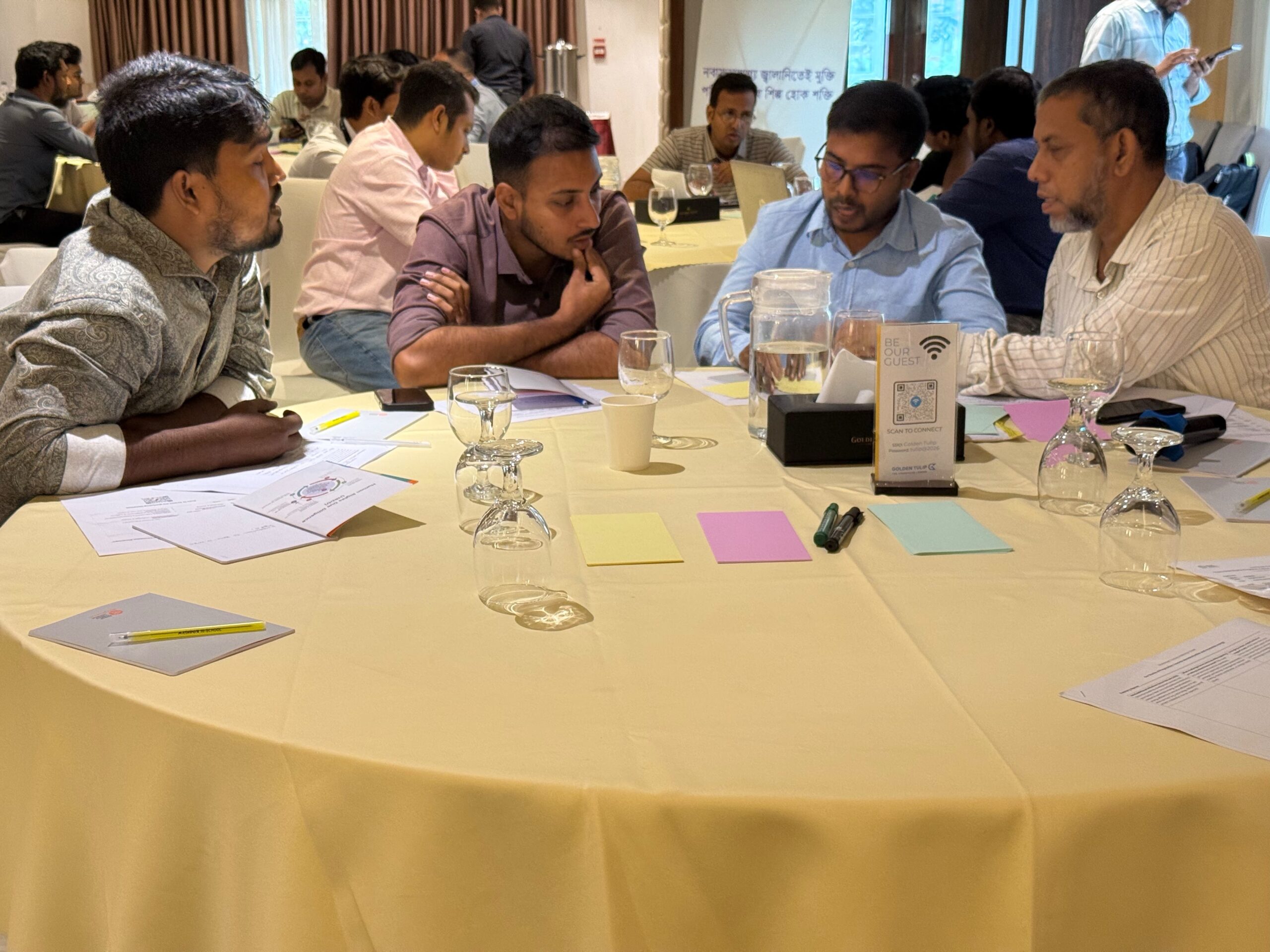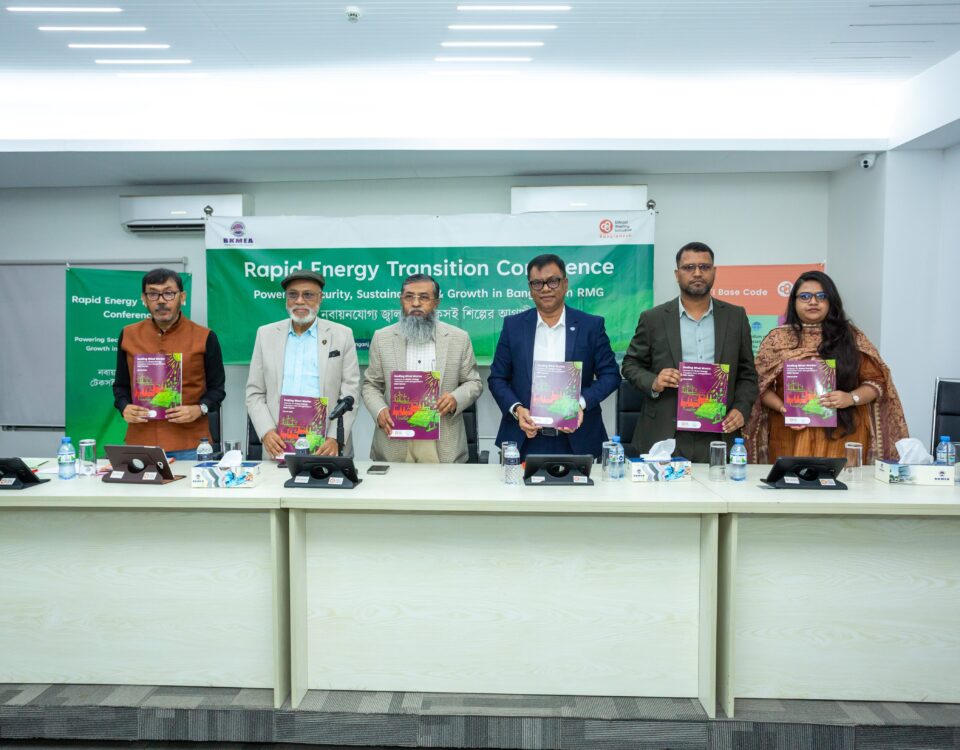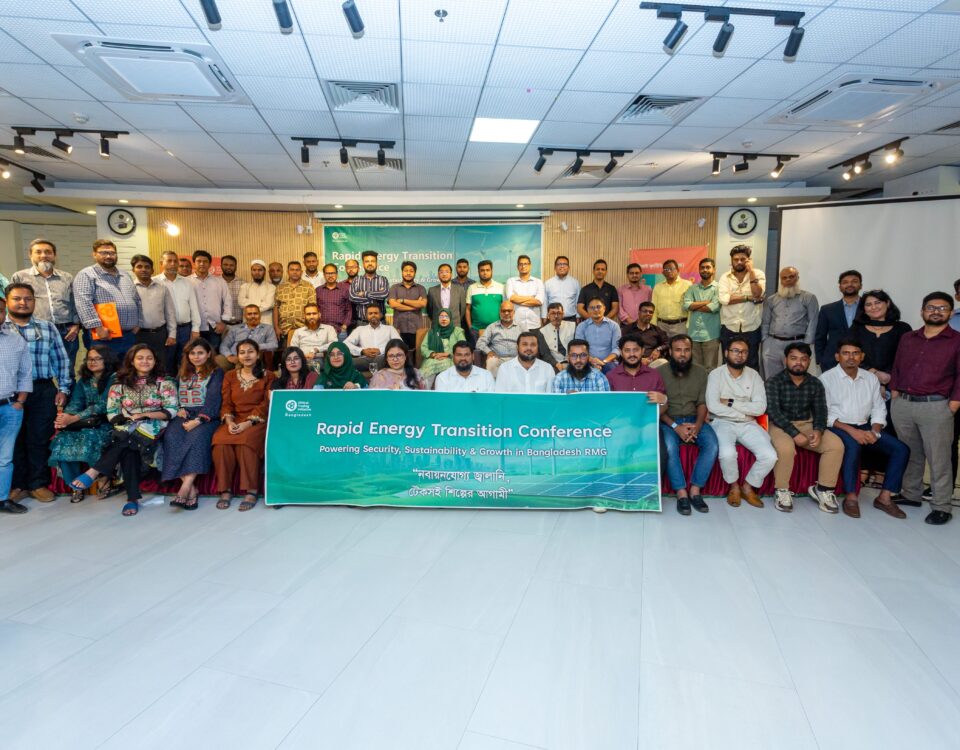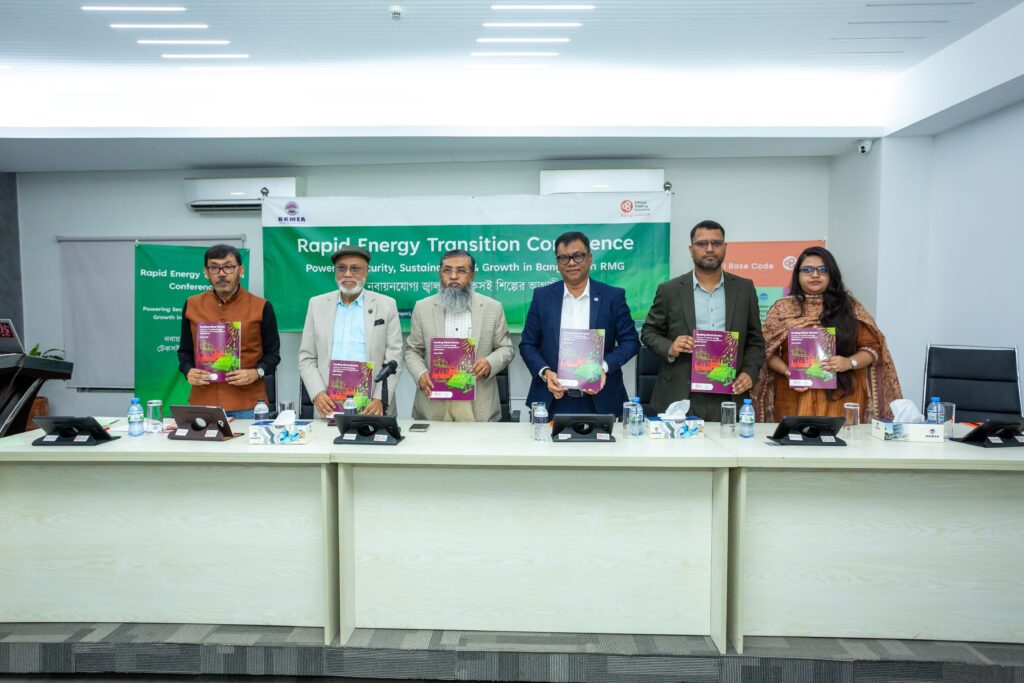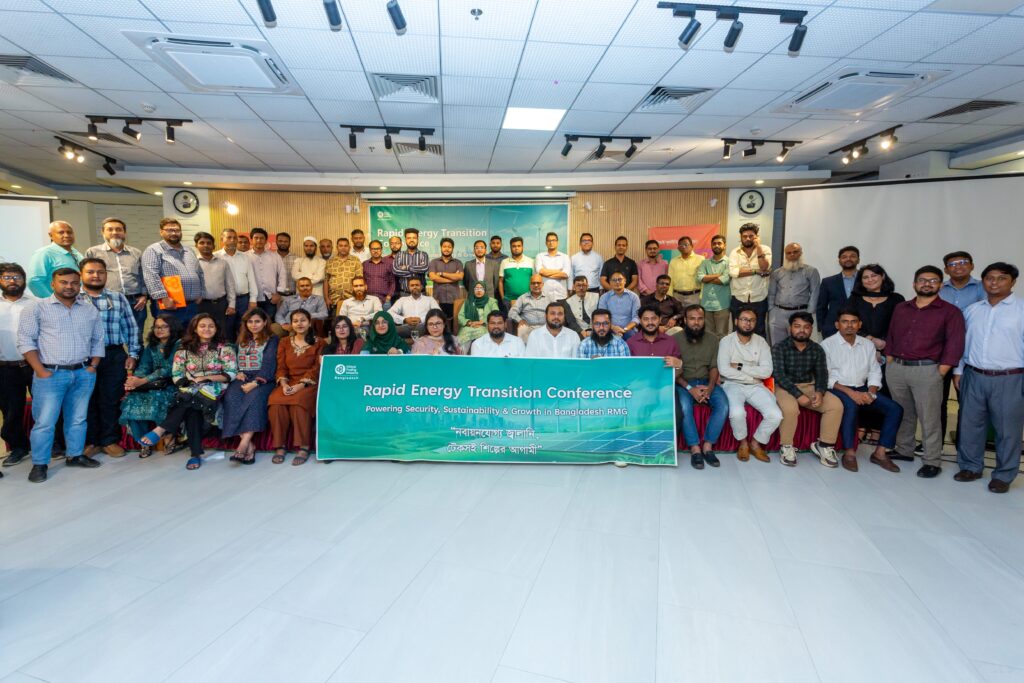
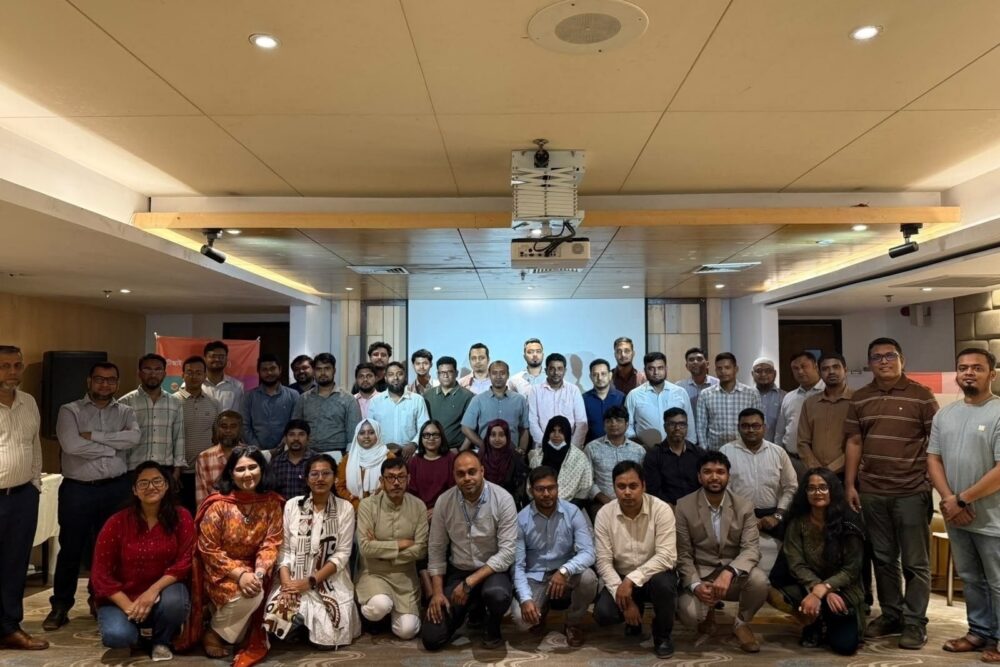
Ethical Trading Initiative (ETI) Bangladesh organised a learning workshop titled, “From Planning to Progress: Follow-up Workshop on Renewable Energy & Decarbonisation Roadmaps,” on 17 August 2026. The workshop brought together 42 representatives from RMG factories and local representatives of global fashion brands to review progress in co-developing factory-level renewable energy (RE) and decarbonisation roadmaps.
The event forms part of ETI Bangladesh’s ongoing initiative with RMG factories and global fashion brands to jointly develop practical, factory-specific roadmaps for renewable energy transition and industrial decarbonisation. It provided participating factories and brands with an opportunity to reflect on and share learning from the roadmap co-development process.
Factory representatives shared that the roadmap process had helped create greater internal ownership of renewable energy and decarbonisation efforts. By bringing relevant teams and senior management into the discussion, the process helped factories frame energy-efficiency and renewable energy measures as practical business priorities while providing a clearer basis for investment decisions.
The workshop highlighted the importance of making roadmaps increasingly actionable. Clear annual milestones, stronger links between planned measures and expected targets, and information on investment costs and payback periods can help factories prioritise interventions and make the case for investment internally.
The discussion further underlined that factories are taking steps within their current capacity, but that a more ambitious transition will depend on access to finance, technical support and enabling infrastructure.
Peer learning and stronger data systems were identified as important areas for continued support. Regular monitoring and record-keeping can enable factories to demonstrate year-on-year progress, strengthen internal decision-making and provide evidence for further investment.
The workshop also highlighted the growing relevance of renewable energy and decarbonisation to global supply chains. Evolving sustainability expectations, regulatory requirements and brands’ climate commitments are increasing the focus on emissions across supplier operations, reinforcing the need for coordinated action between factories and brands.
Brand representatives emphasised that preparation is now essential for Bangladesh’s RMG sector, particularly in light of evolving EU regulations, increasing sustainability expectations and the country’s upcoming LDC graduation. While brands may not be in a position to directly finance factory investments, they can support manufacturers by connecting them with relevant stakeholders, platforms and technical or financing opportunities. The discussion also underlined the growing importance of transparent reporting and reliable records to demonstrate progress against sustainability and decarbonisation commitments.
This renewable energy and decarbonisation roadmap co-development initiative has so far brought together 38 RMG factories and 8 global brands. Building on the learning from the first group of factories, the initiative is expected to onboard a further 12 factories.
The workshop reinforced that renewable energy transition and decarbonisation are not one-off activities. They require sustained planning, measurable milestones, practical support and shared responsibility across factories, brands, financial institutions, technical partners and government. ETI Bangladesh will continue supporting participating factories through roadmap-refinement sessions, brand engagement, online learning and multi-stakeholder dialogue, helping turn plans into practical progress.