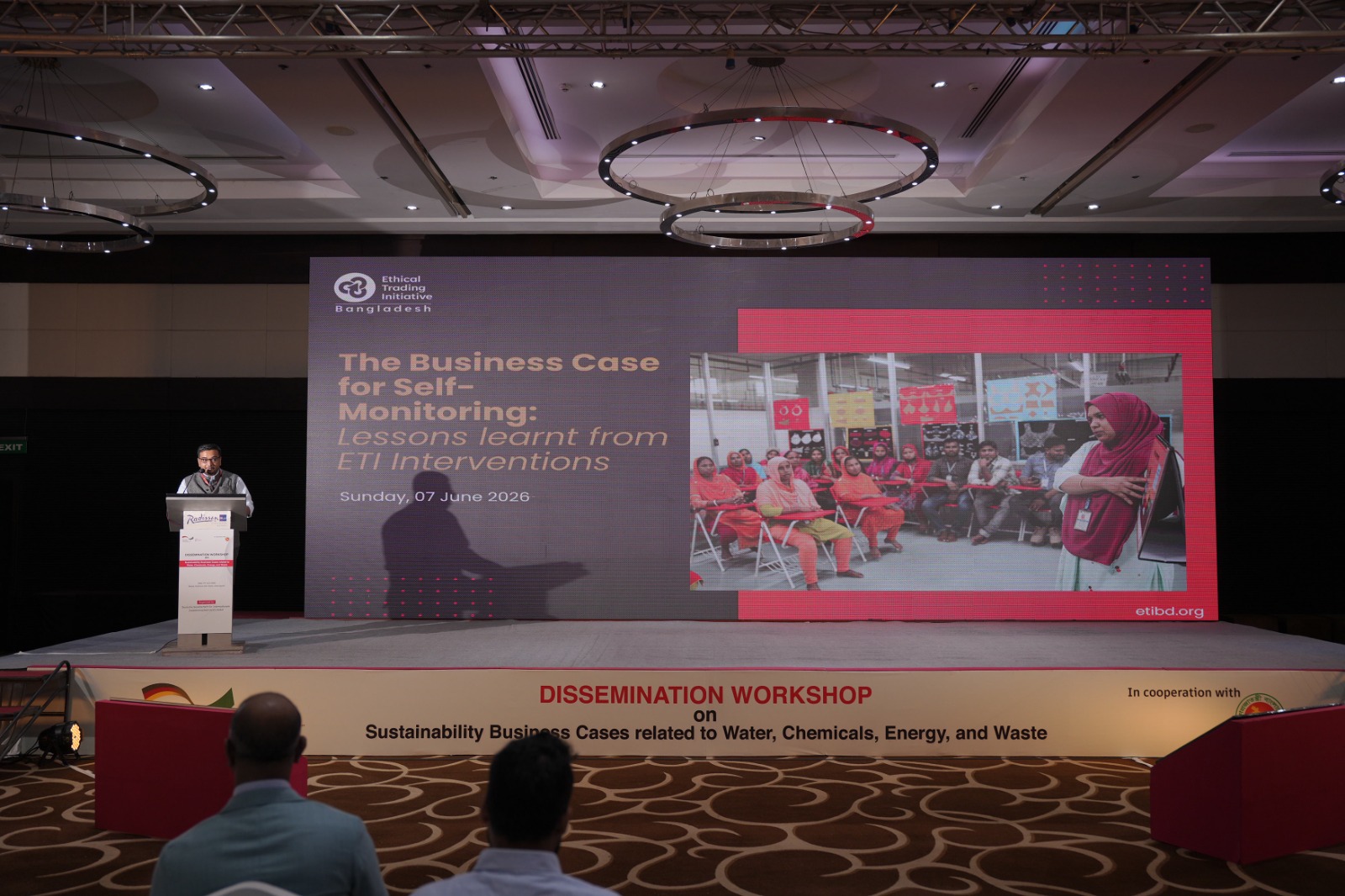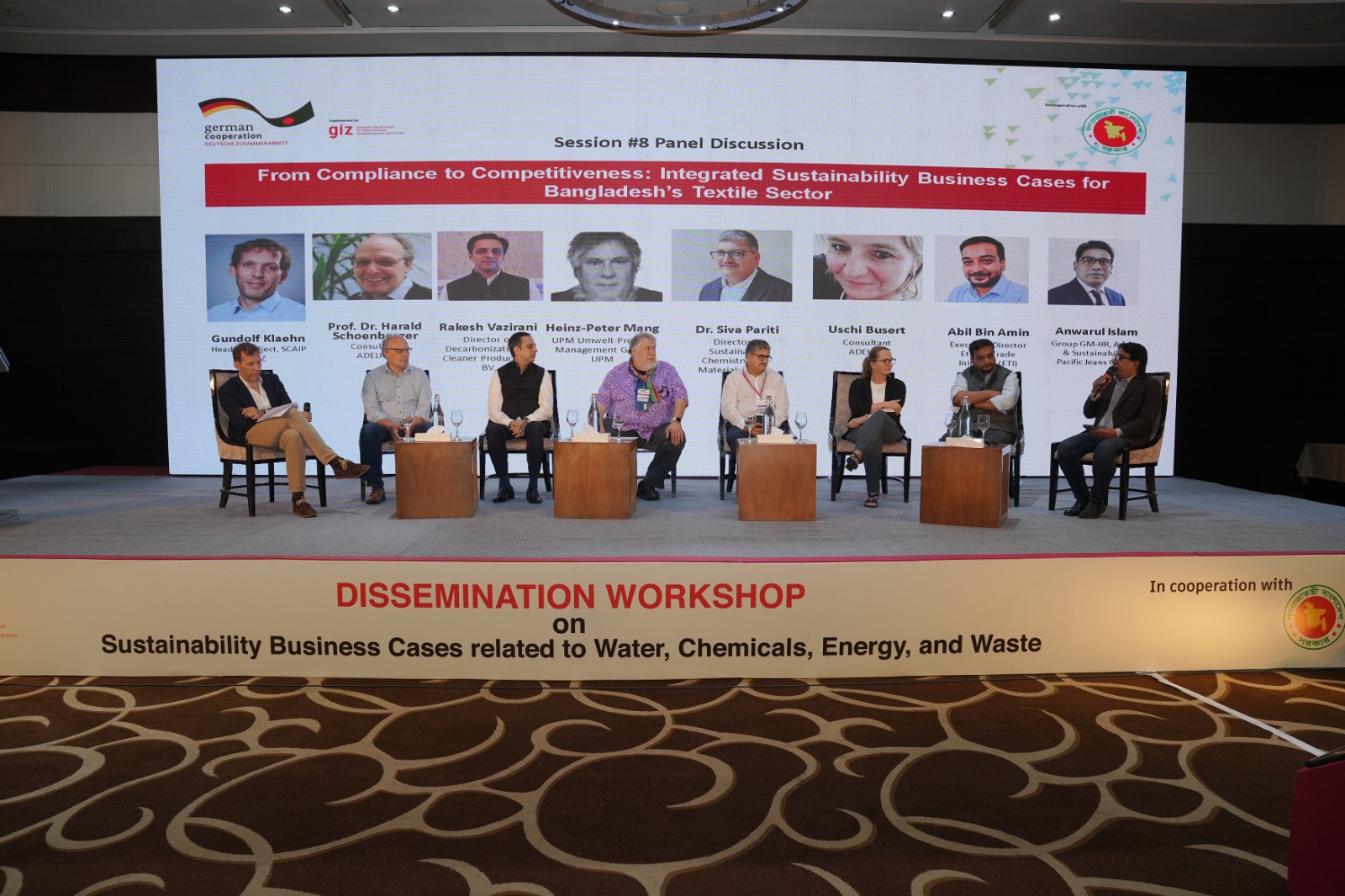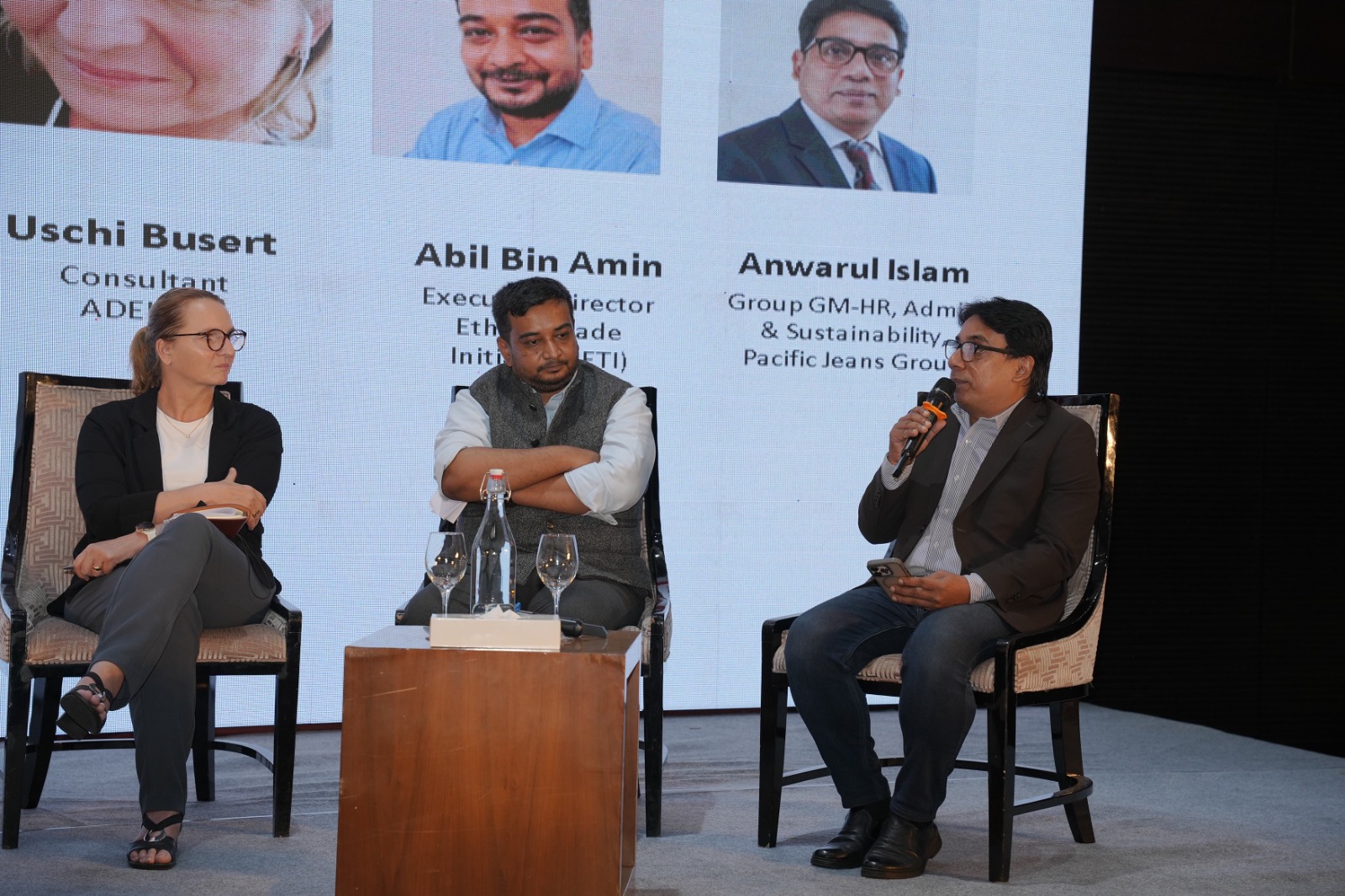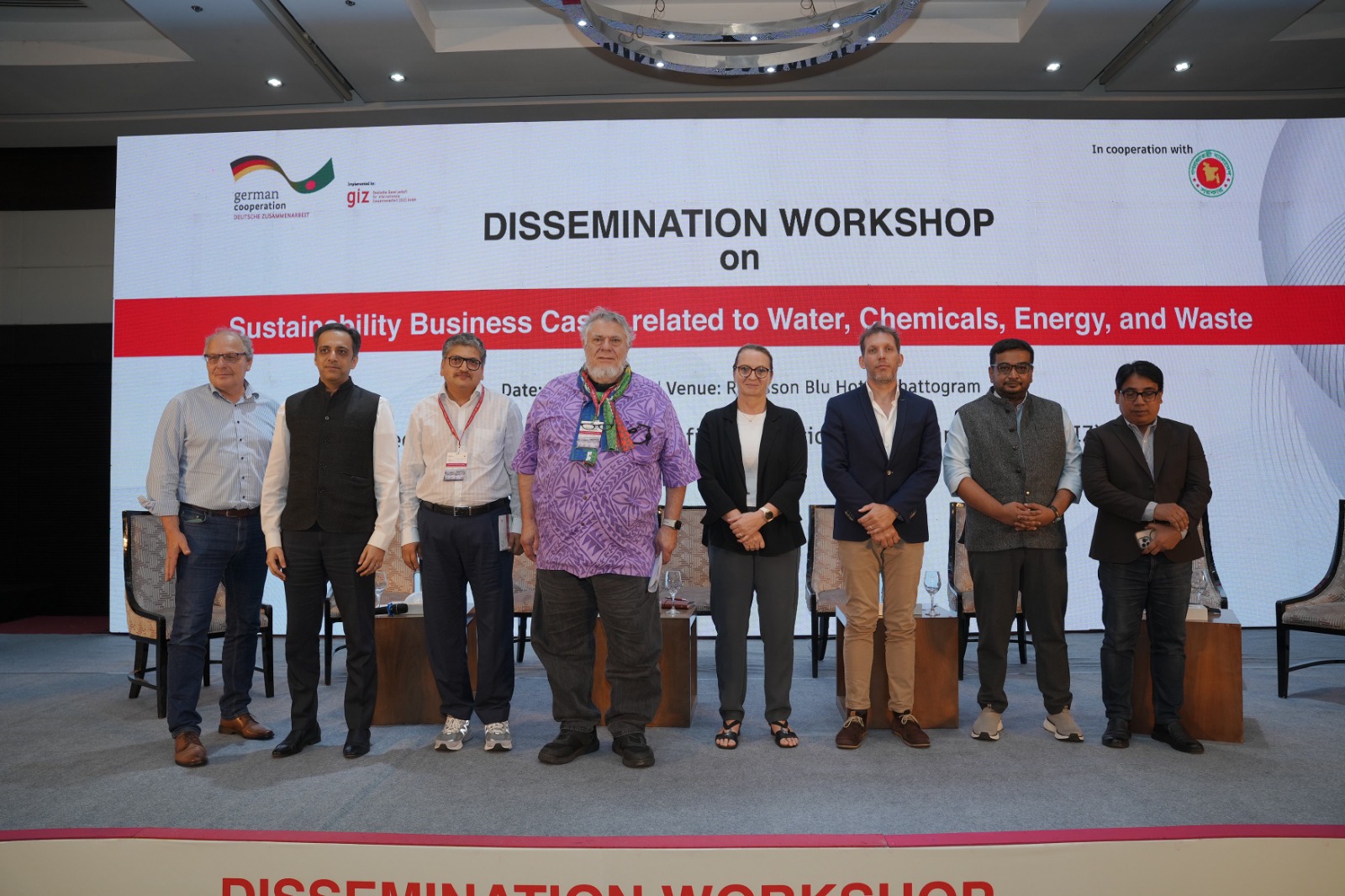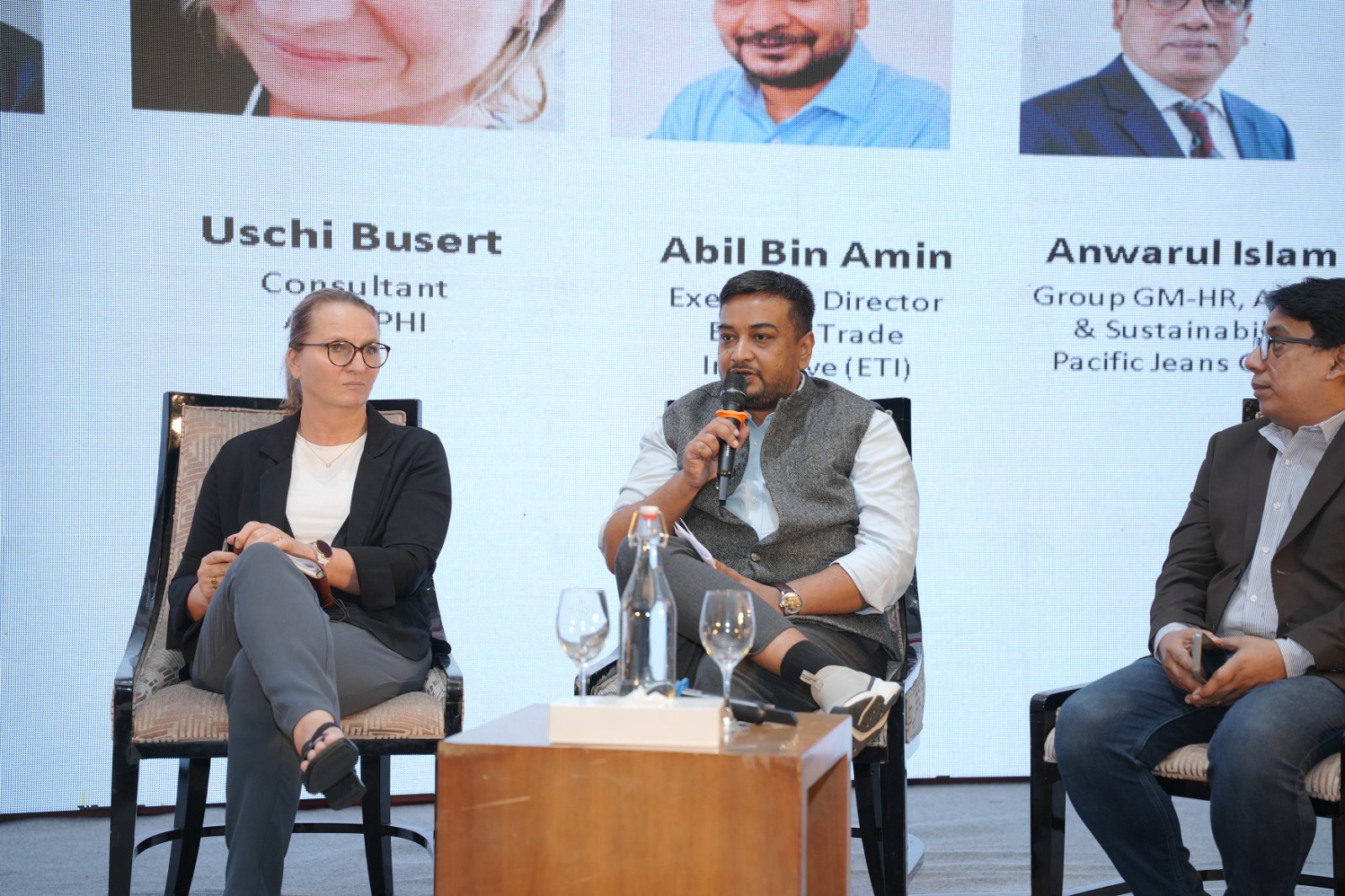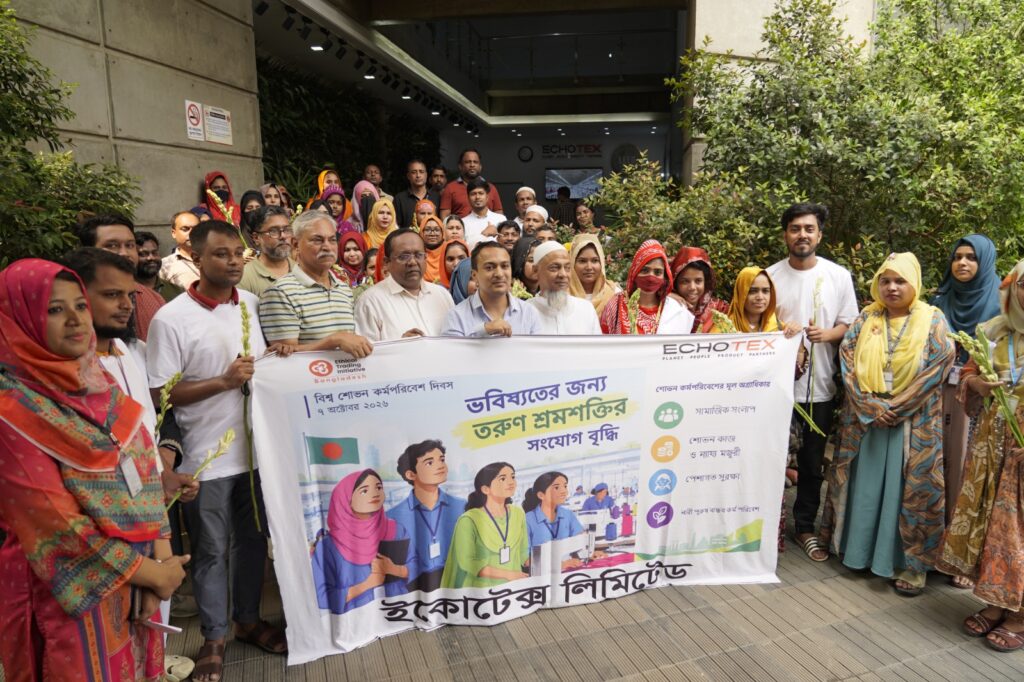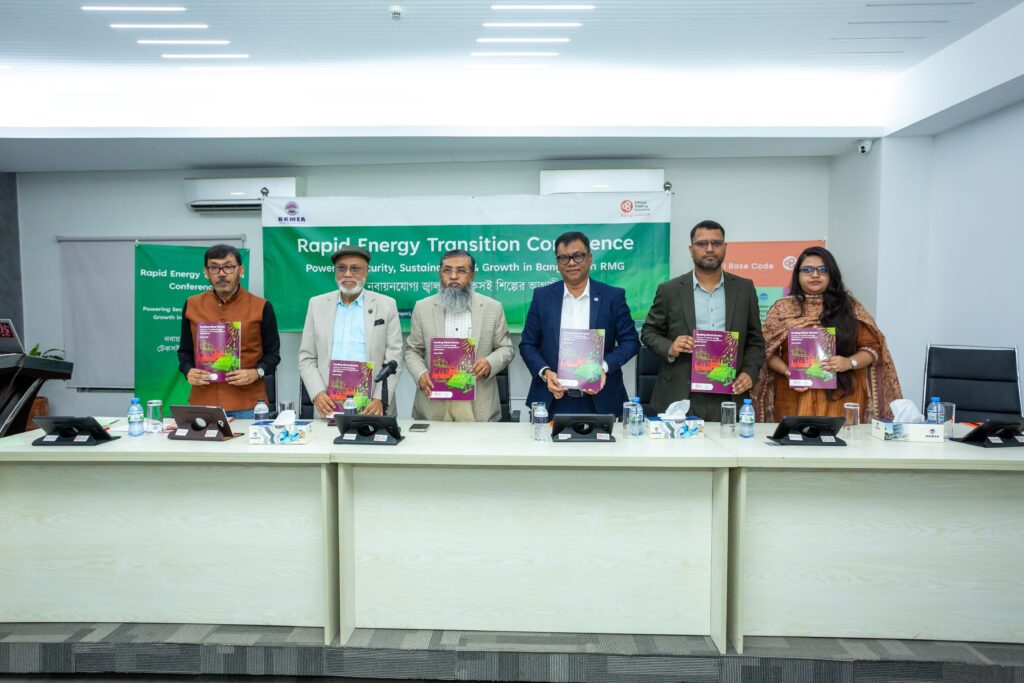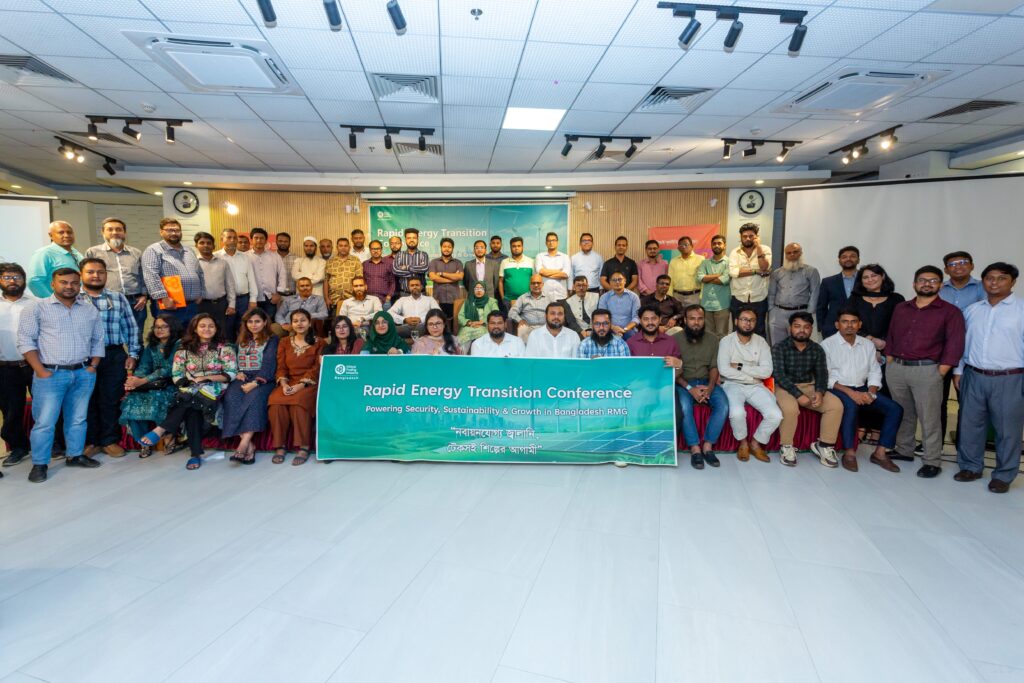
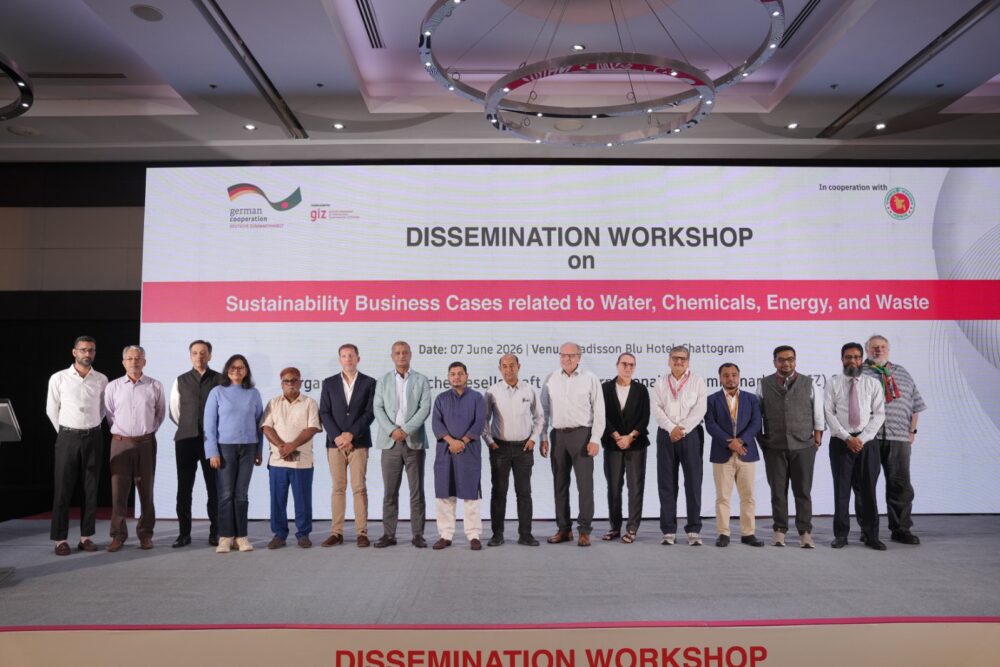
Ethical Trading Initiative (ETI) Bangladesh shared key findings from its work with factories, including both management and workers on renewable energy transition, decarbonisation and efficiency in Bangladesh’s ready-made garment (RMG) Sector. The findings were disseminated through keynote presentations delivered in Dhaka on 4 June and Chattogram on 7 June 2026.
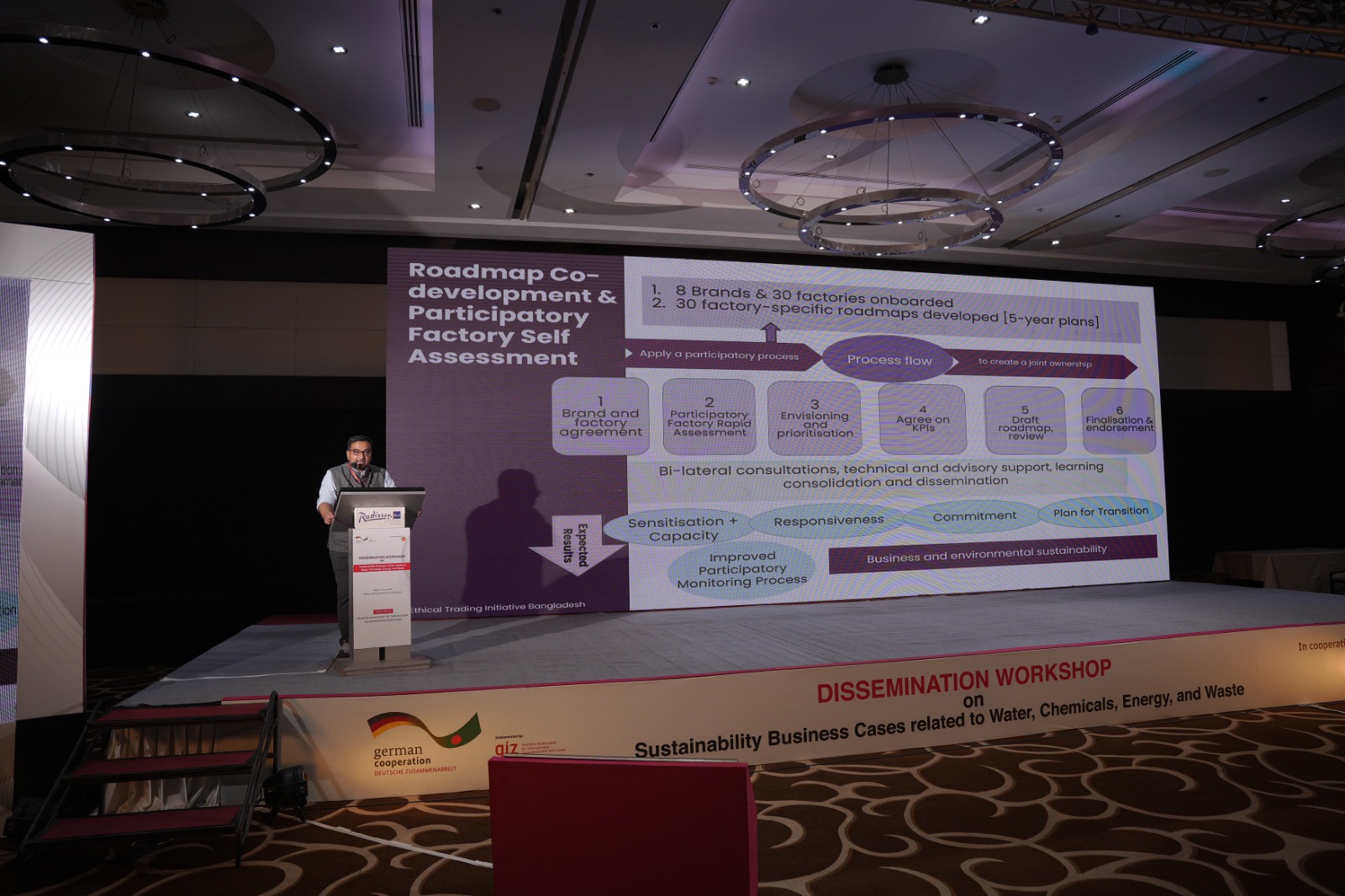
The keynote reflected on ETI Bangladesh’s experience in co-creating factory-wise renewable energy and decarbonisation roadmaps with brands and manufacturers, while also sharing lessons from its Green Social Dialogue programme, which promotes worker-led climate action and practical environmental solutions within factories.
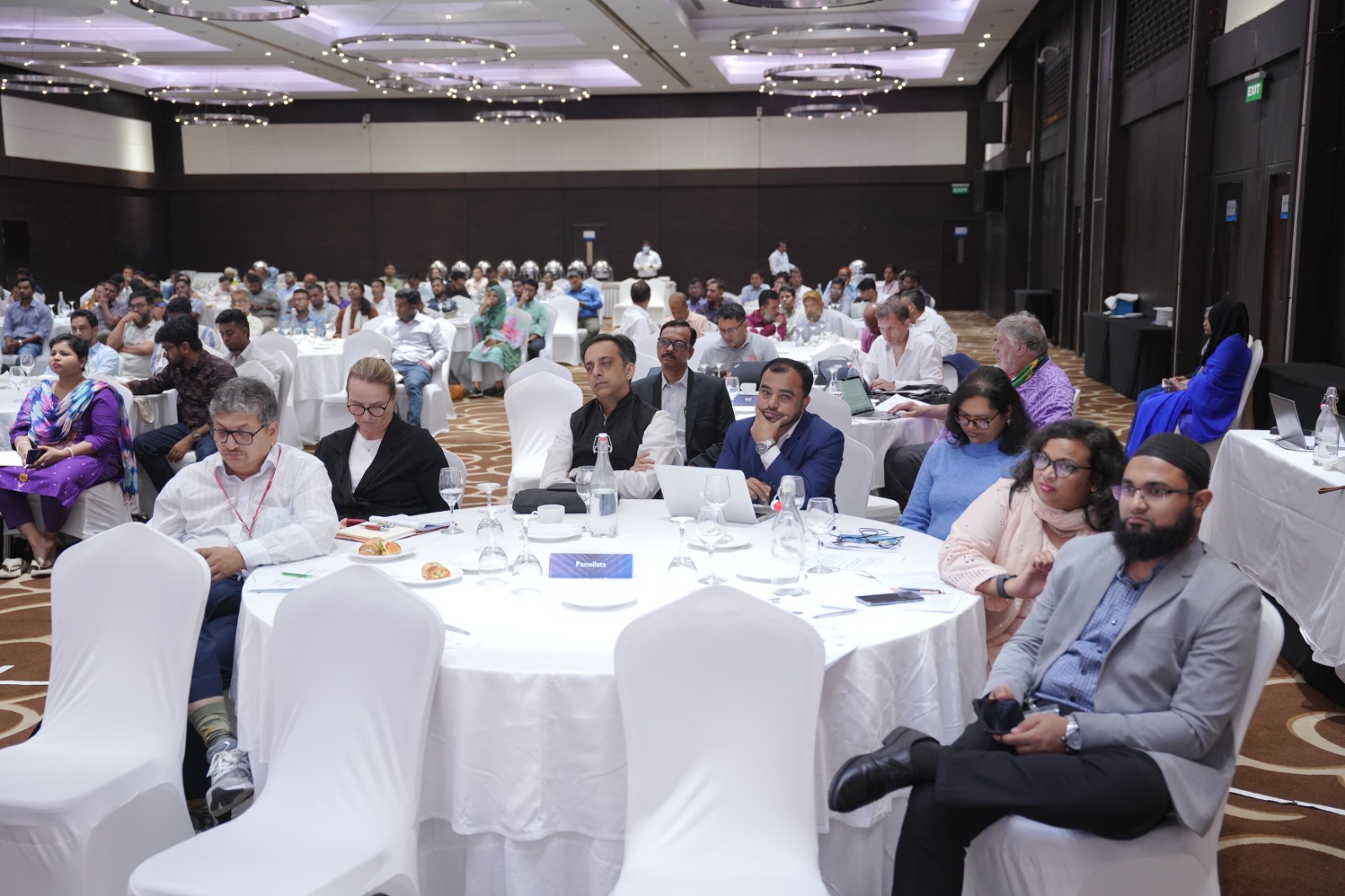
The findings were shared at “NEXUS PRO 3: Nexus in Action for Competitiveness: Sustainability Business Cases on Water, Chemicals and Energy,” a multi-stakeholder event organised by Deutsche Gesellschaft für Internationale Zusammenarbeit (GIZ) GmbH in Bangladesh. The keynote was delivered by Abil Bin Amin, Executive Director, ETI Bangladesh.
The dissemination reached nearly 450 stakeholders from Bangladesh’s RMG and textile sector, including industry representatives, civil society organisations, brands, factories, trade union federations, service providers, BGMEA, government representatives, embassies and development partners.
A key message from the keynote was that sustainability action inside factories does not happen through one-off training or external monitoring alone. It becomes more practical when factories are supported to understand their own data, discuss problems across teams, build awareness among workers and staff, and follow up on agreed actions over time through self-interventions.
The roadmap co-creation process showed that factory-level sustainability action often begins with better internal understanding. Many factories had interest in renewable energy and decarbonisation, but needed support to assess their own energy use, identify planning gaps and bring relevant departments into the same conversation. While the roadmaps are still new and long-term results cannot yet be assessed, the process has already helped factories move from scattered ideas to clearer priorities and more structured internal planning.
Learnings from the Green Social Dialogue programme showed the importance of sensitisation and worker involvement as active change agents. Workers often notice everyday issues related to energy waste, water use, heat, ventilation and workplace practices. When they are encouraged to understand these issues and raise practical suggestions, environmental action becomes more rooted in daily factory realities.
Factory-specific cases shared during the keynote showed that internal monitoring and regular follow-up can lead to visible improvements. One medium-sized factory in Chattogram reported reductions in electricity use, greenhouse gas emissions and water consumption between 2024 and 2025. The lesson was not only about the numbers, but about the process behind them: the factory had begun to track its own practices, understand gaps and act through internal coordination.
The keynote stressed that meaningful progress on environmental sustainability and industrial decarbonisation requires stronger coordination across the sector. Factories cannot carry the transition alone, and workers should be part of the process from the beginning. Brands, manufacturers, workers, business associations, service providers, government and development partners all need to work together through a more coordinated support system.
The keynote concluded that internal planning, awareness-building, data-driven monitoring, worker inclusion and collective action are essential for Bangladesh’s RMG sector to move from sustainability commitments to tangible results.