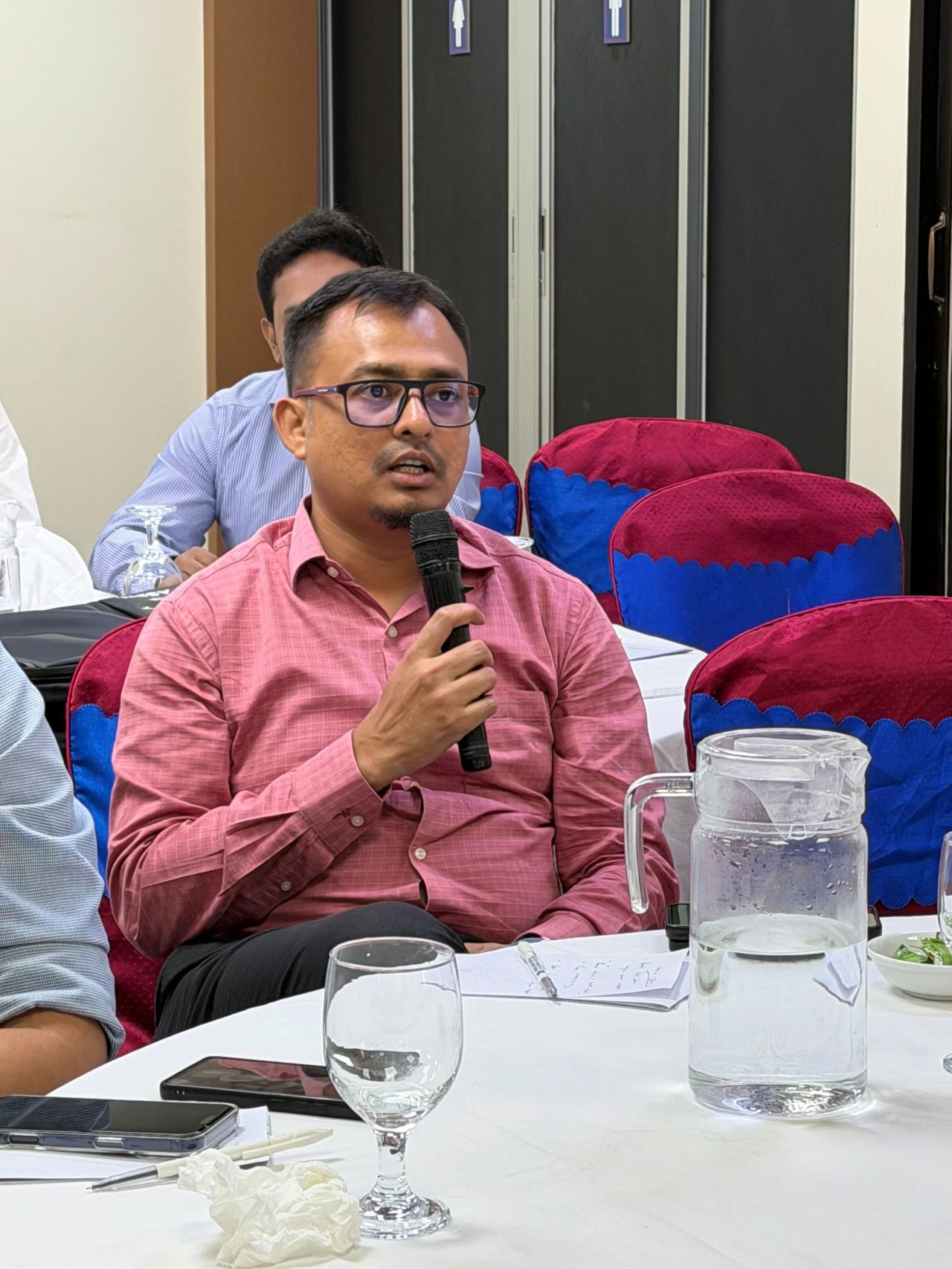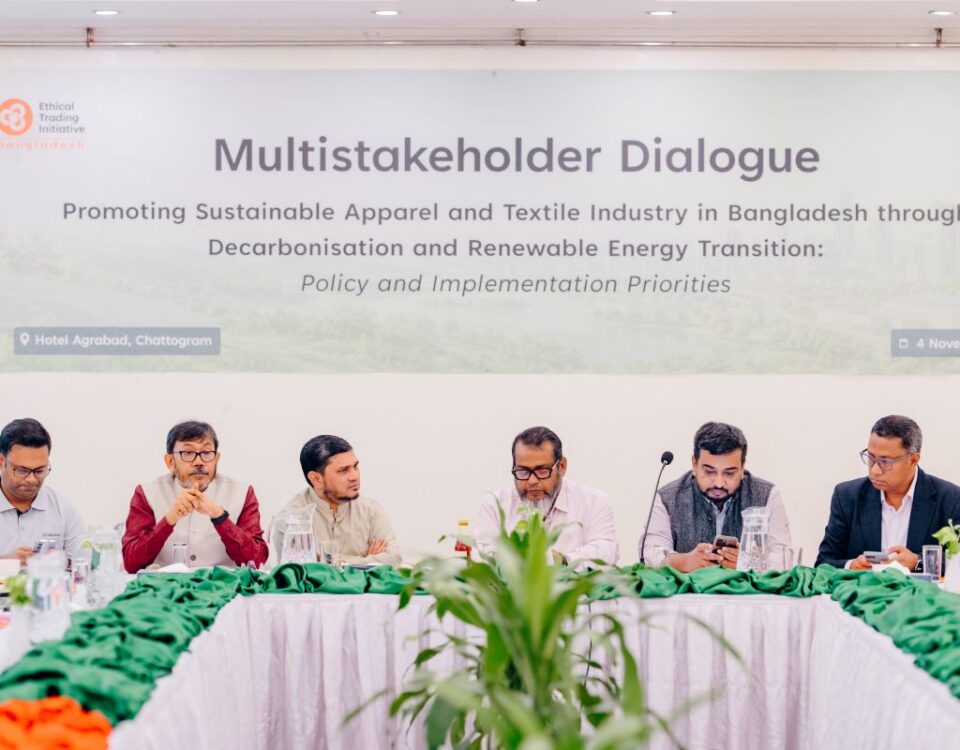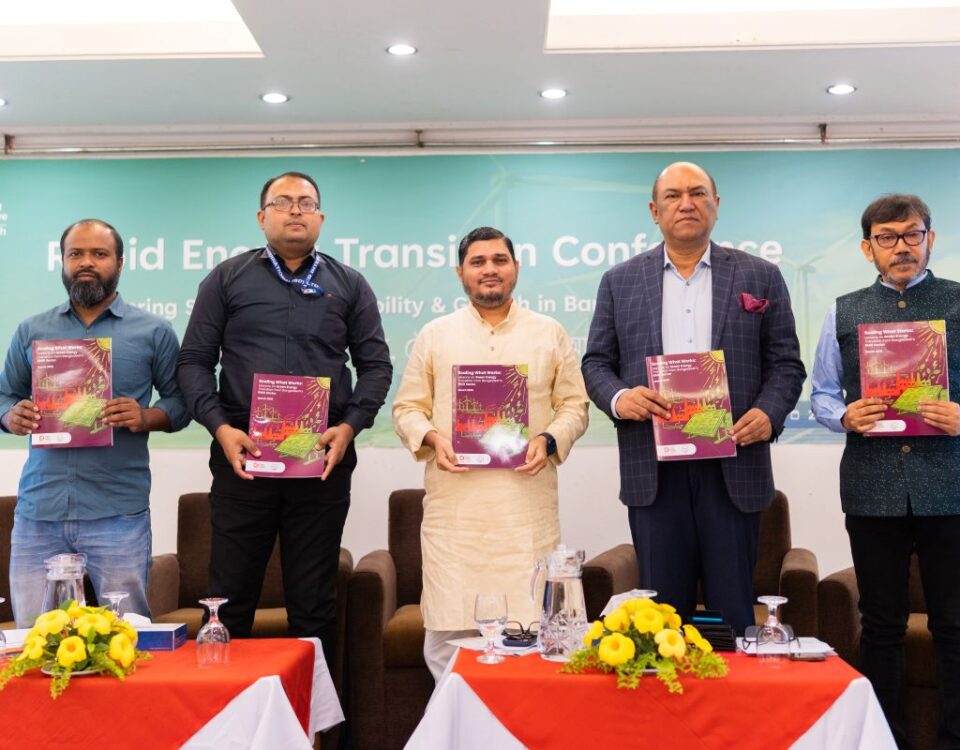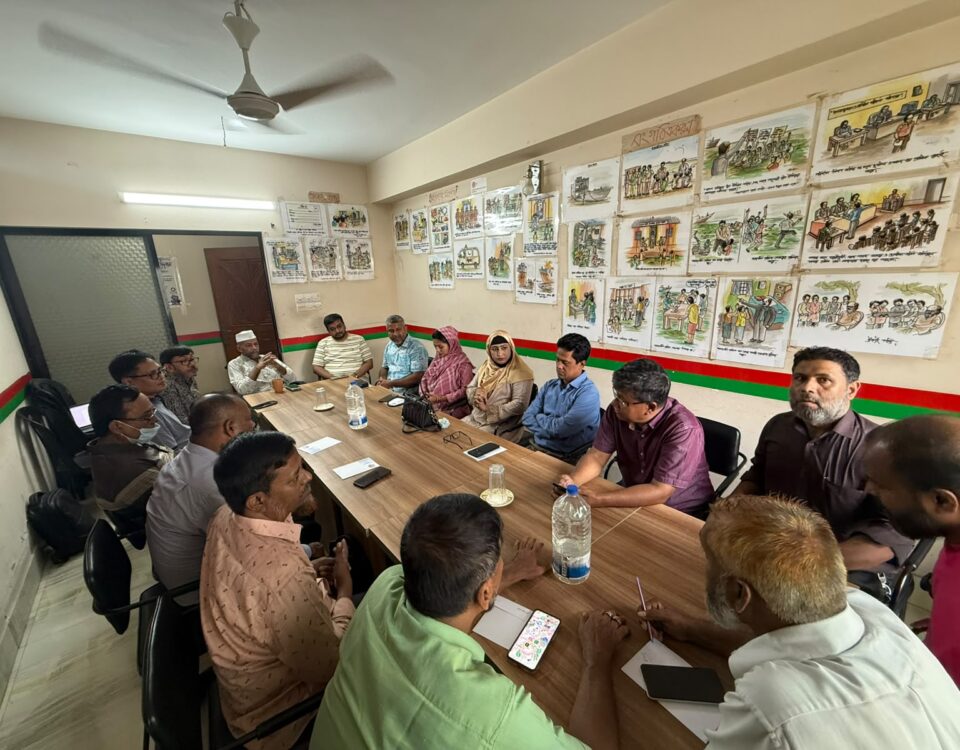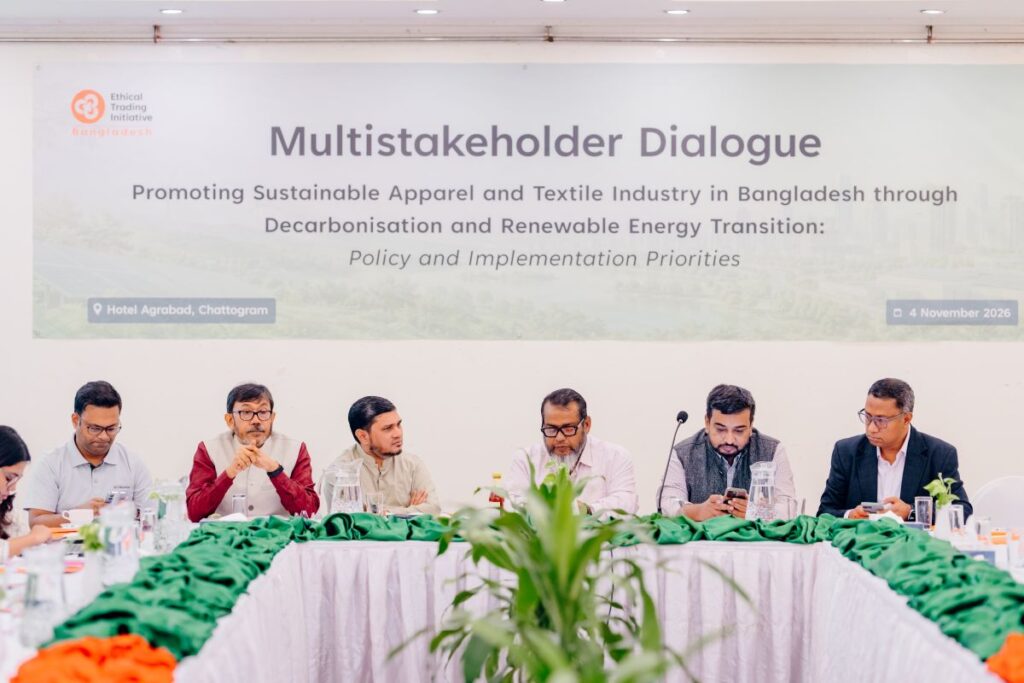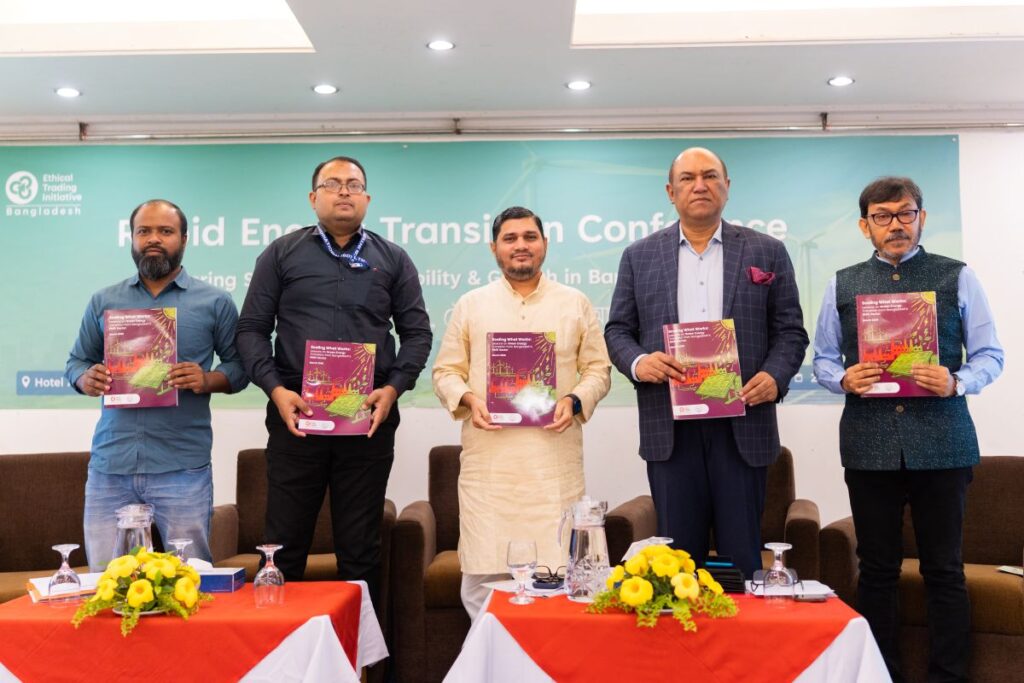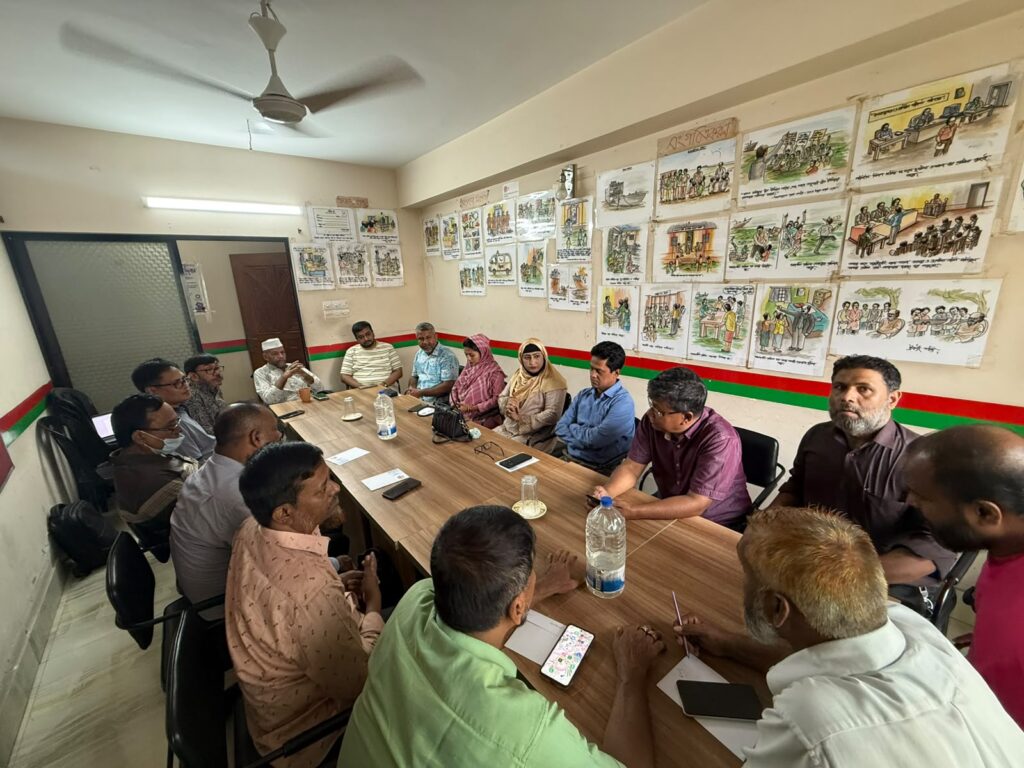
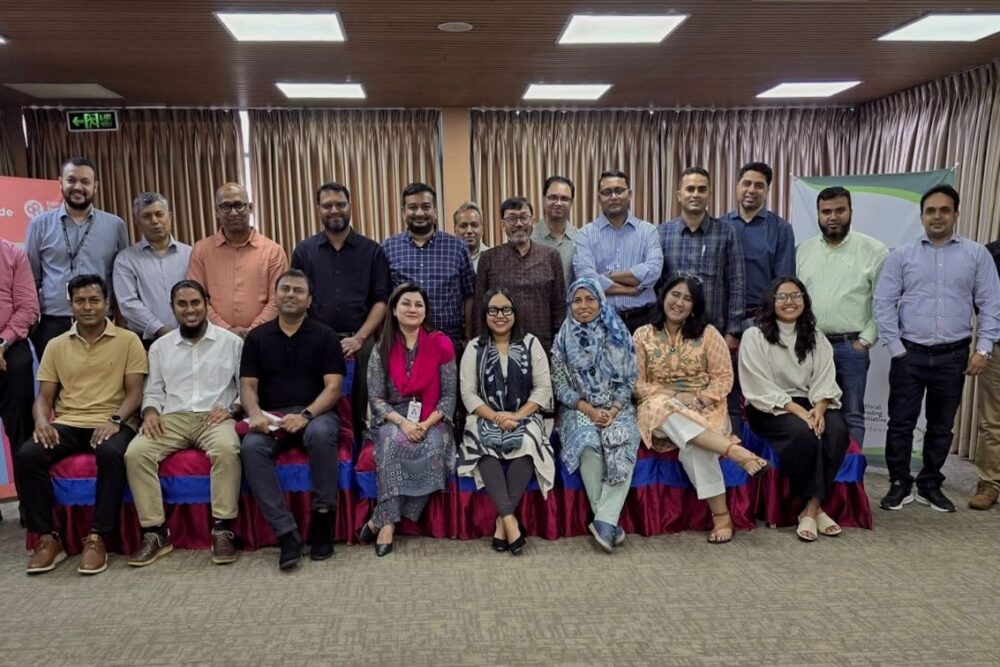
ETI Bangladesh’s latest Brand Forum meeting brought together local sustainability and social compliance representatives from Joint Ethical Trading Initiatives (JETI) brands to discuss Bangladesh’s energy crisis, its implications for supply chains and workers, and the need for coordinated action on energy resilience and heat stress in the ready-made garment (RMG) sector.
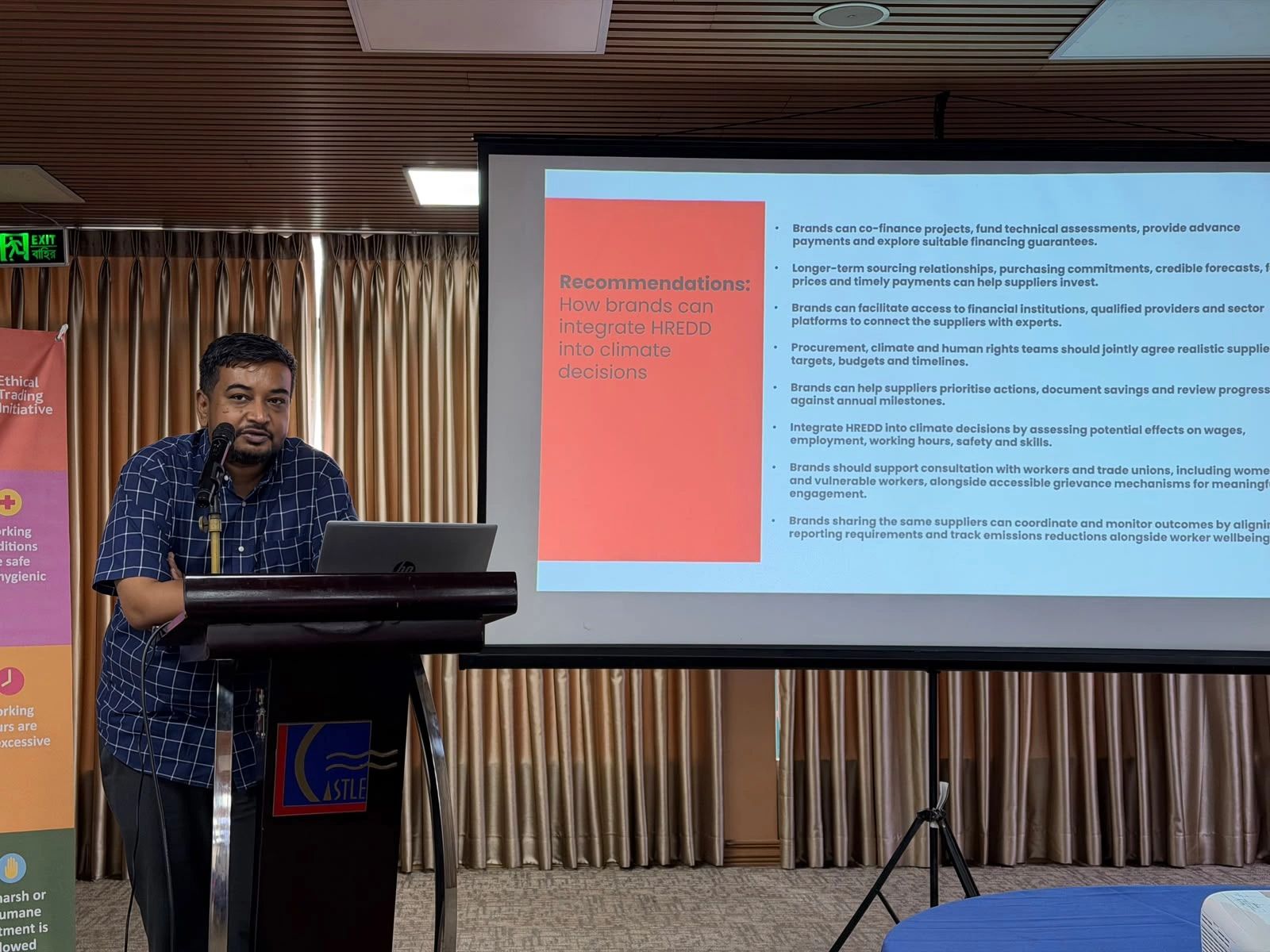
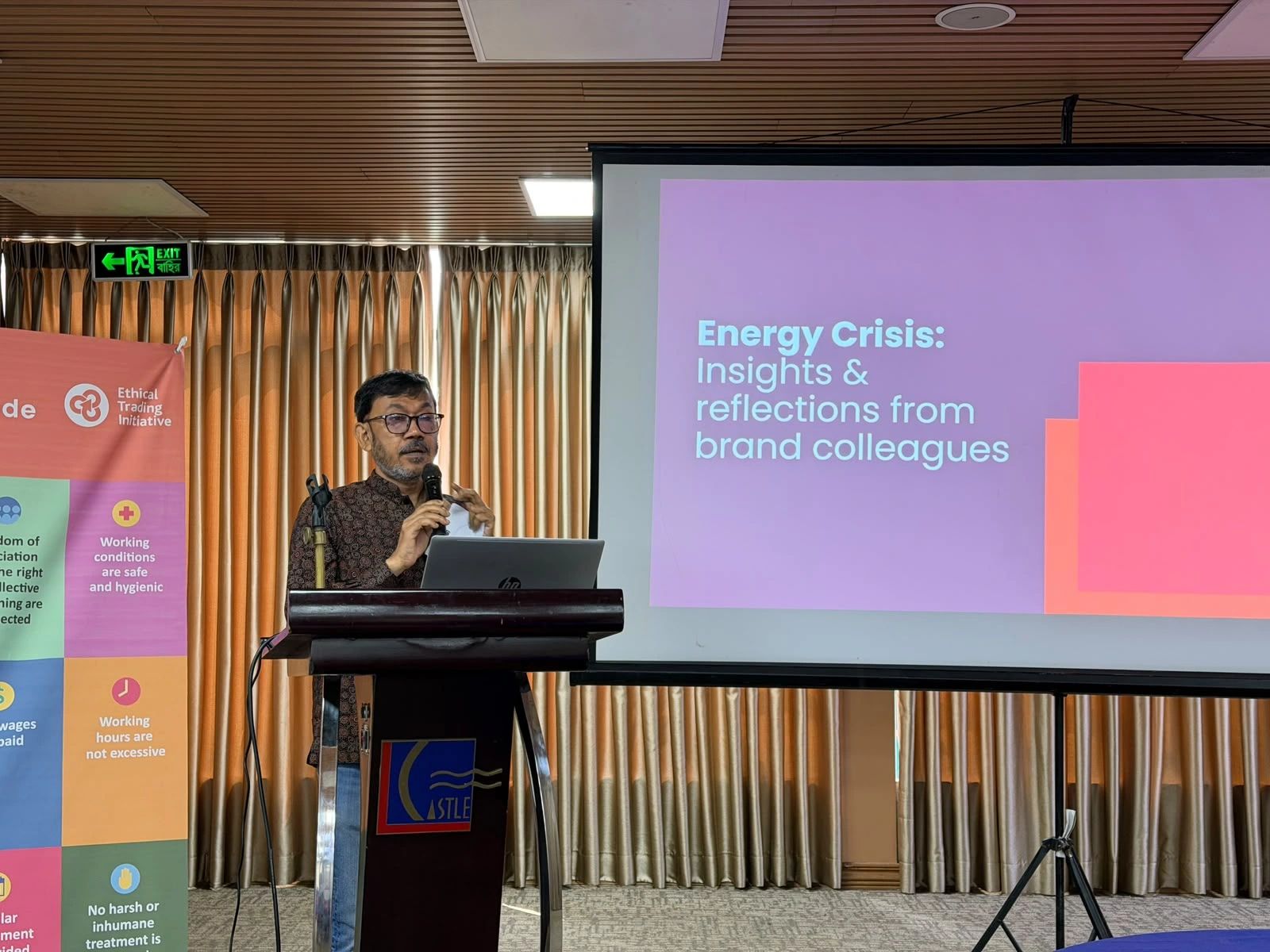
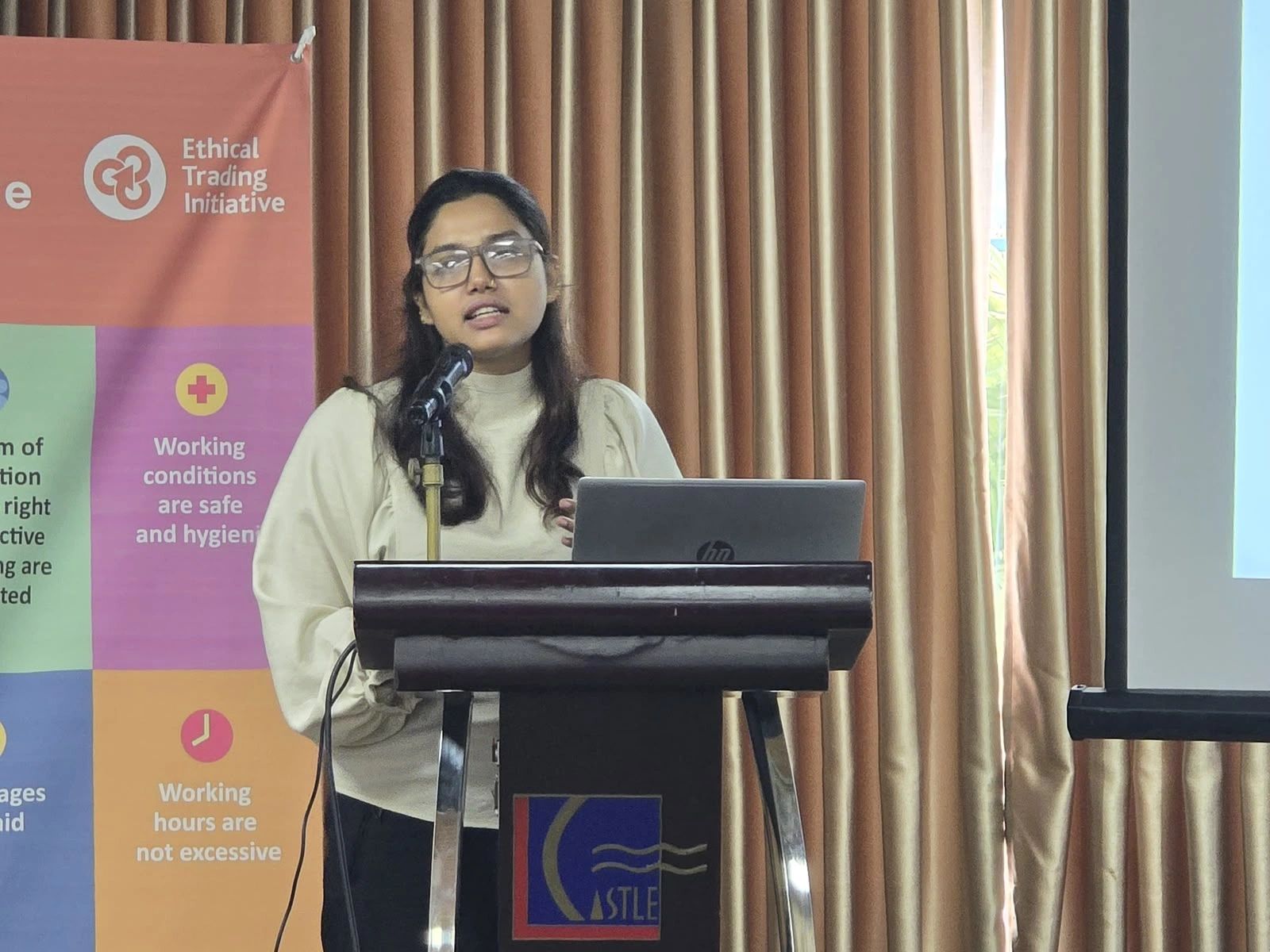
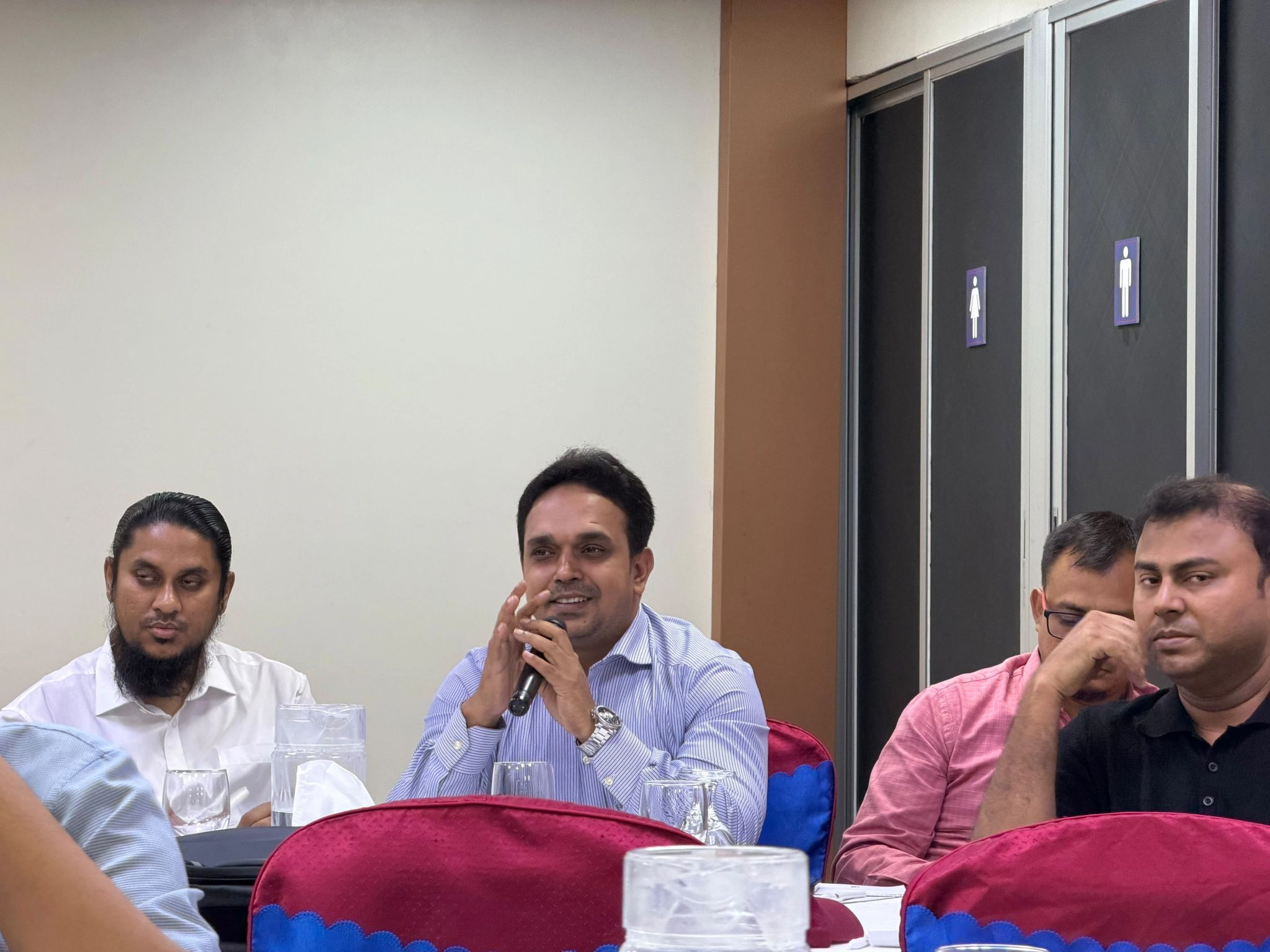
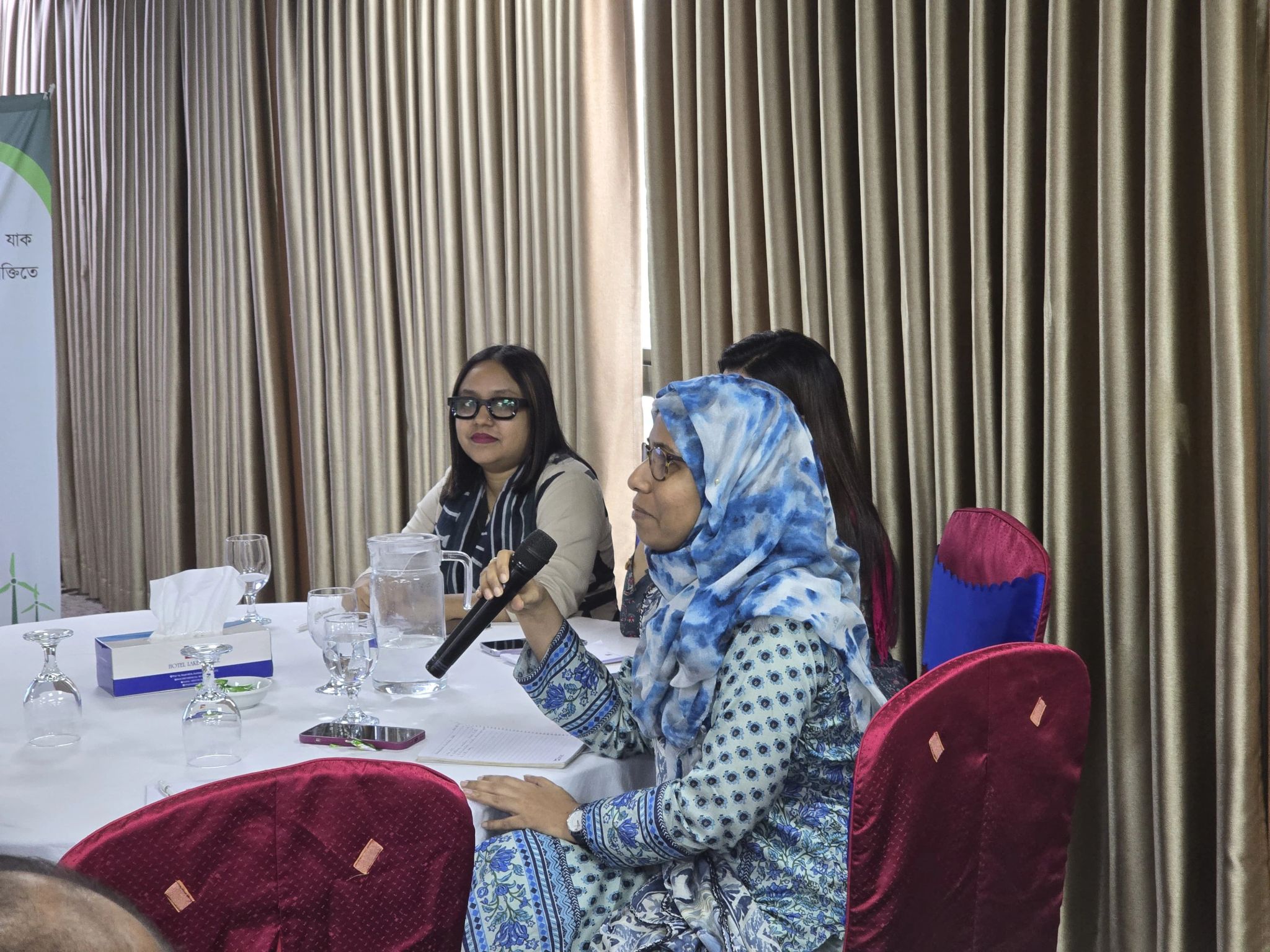
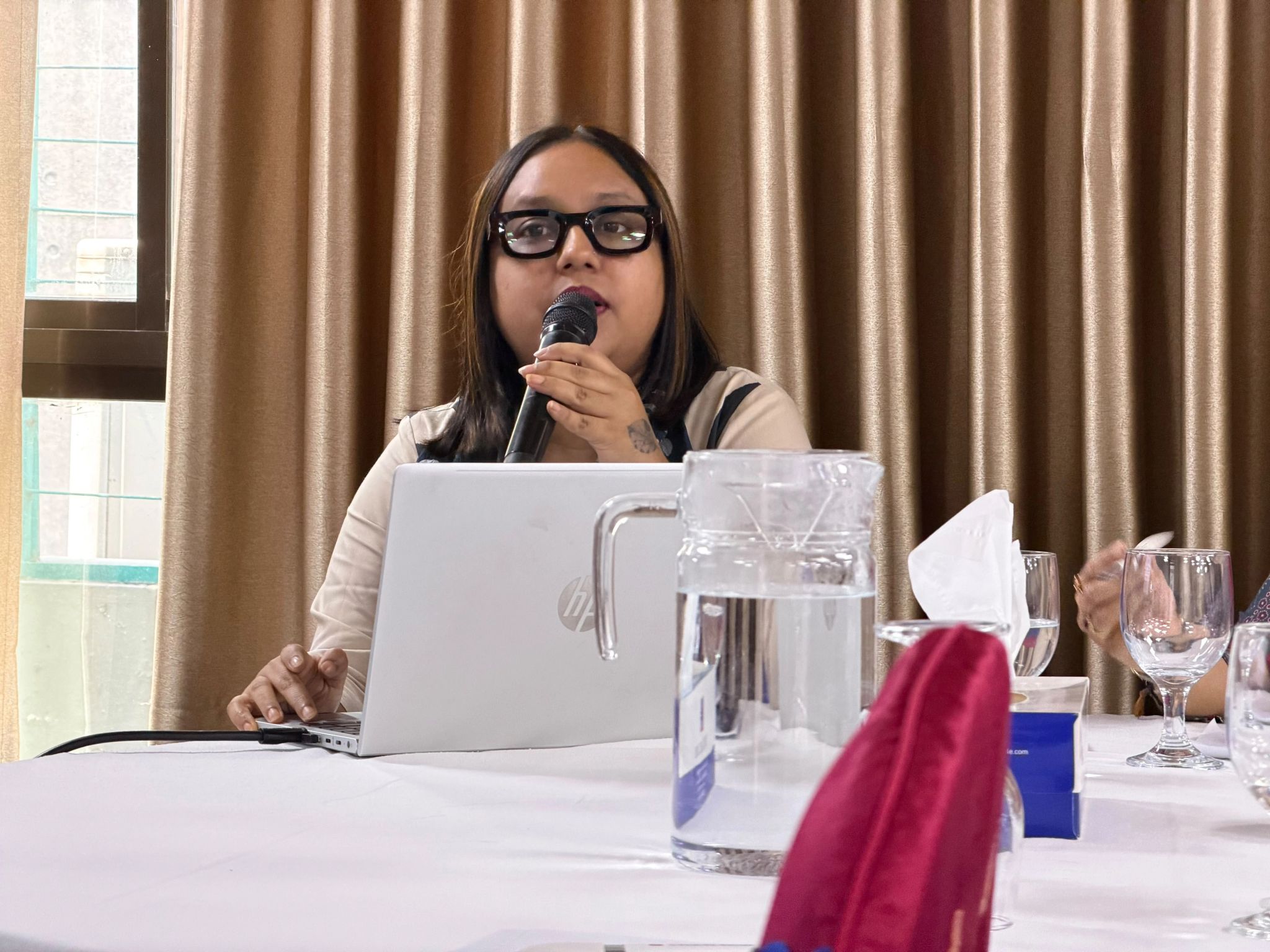
Held on 27 September 2026, the meeting explored how brands can work with suppliers to address energy-related challenges while strengthening responsible purchasing practices and protecting workers. Discussions also focused on practical approaches to heat stress management, drawing on emerging initiatives and experiences across Bangladesh, India and Pakistan.
ETI Bangladesh shared emerging insights from its engagement with factories and highlighted the role of brands in supporting suppliers through responsible purchasing practices. These include workable payment cycles, longer-term sourcing relationships and coordination between procurement and human rights teams.
Members emphasised the importance of understanding the potential effects of energy shortages on suppliers and workers, while aligning approaches among brands sourcing from the same factories.
Brand representatives shared experiences from their supply chains, including discussions with suppliers about energy constraints and costs, responses to operational challenges and exploration of renewable energy options.
The exchange highlighted several areas requiring attention. Members noted that gas shortages affect production processes differently, placing greater pressure on wet processing and washing facilities than on cut-to-pack operations. Understanding these differences is essential to developing appropriate responses.
The continued use of diesel to maintain production was another concern. While it helps factories manage immediate operational disruptions, its high cost and associated carbon emissions raise questions about its long-term viability.
Members also highlighted the effects of energy shortages on workers' daily lives, particularly women workers, and the need to consider heat-related risks when factories adjust their energy use.
The Forum also examined the need for practical heat stress guidance that reflects conditions across different factory environments and workers' experiences.
Members discussed the challenges factories face in translating awareness of heat stress into effective workplace responses. Factories often seek clear guidance on appropriate indoor temperatures, but existing government guidance does not provide sufficient direction for different production environments. Members noted that conditions on sewing floors differ considerably from those in wet processing facilities, making a single temperature guideline difficult to apply across the sector.
The discussion also highlighted the importance of addressing the differentiated risks women workers face during periods of extreme heat.
The Very Group presented lessons from its ongoing work to develop heat stress guidance, drawing on factory experiences in Bangladesh, India and Pakistan. Practical measures discussed included ensuring drinking water is within easy reach, providing regular breaks, establishing shaded rest areas for outdoor workers, relocating dining areas away from hot spaces beneath roofs, strengthening first-aid training to recognise heat-related illness and ensuring unrestricted access to bathroom facilities, particularly for women workers. The guidance is currently being piloted.
Members further emphasised the role workers can play in developing and implementing workplace solutions. ETI Bangladesh highlighted how workers and relevant worker committees could contribute to spot checks on factory energy use, helping identify opportunities to reorganise energy consumption, strengthen worker agency and support decarbonisation efforts.
The discussions underscored the need for greater coordination among existing heat stress initiatives to ensure factories receive clear and practical guidance. The insights will also inform ETI Bangladesh's planned heat stress interventions under its Advanced Green Social Dialogue (GSD) programme.
The meeting highlighted the importance of connecting existing initiatives and strengthening collaboration among brands, suppliers and workers to address energy security, efficiency and renewable energy in Bangladesh's RMG sector.
As national energy priorities increasingly intersect with global decarbonisation expectations, building energy resilience is becoming a strategic business priority. Responsible purchasing, worker participation and coordinated action across supply chains will be important to ensuring that responses address both operational challenges and workers' interests.
The Forum concluded with an update on ETI Bangladesh's developing five-year strategy for 2027–2031, which is expected to be finalised by the end of 2026.